

Introduction
Ever stood by a production line and asked, “Why are we still losing money on tasks machines should handle?” I have — many times — and the answer usually isn’t obvious at first glance. A single wet wipes making machine can underperform for weeks because of friction in rollers, old PLC logic, or mismatched servo motor responses, and that often translates into a measurable drop in output (we’re talking 5–12% loss in many mid-size plants). Given those figures, what should managers prioritize next?
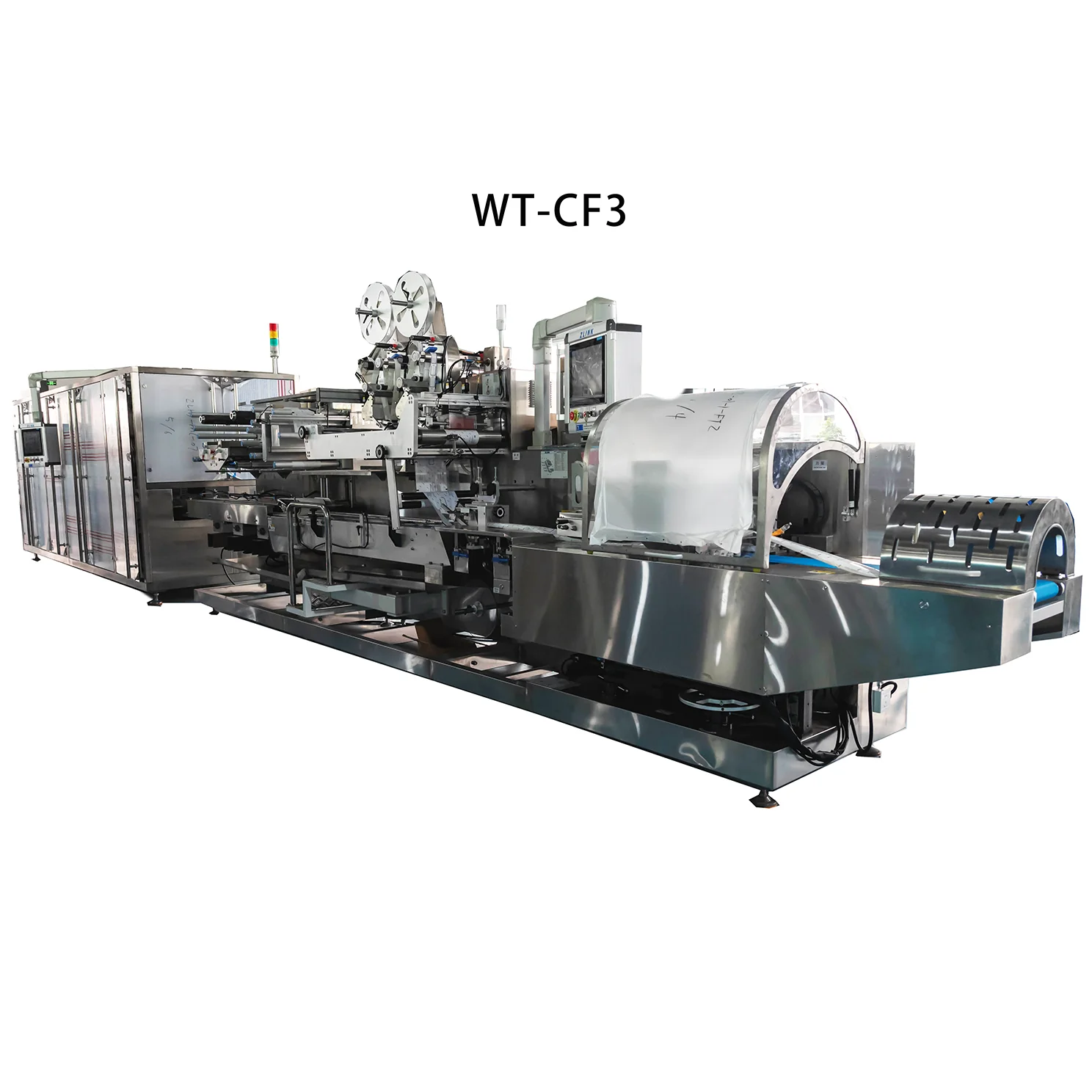
I want to walk you through a scenario: a day shift where one line loses thirty minutes to misfeeds, another line slows because of inconsistent tension control, and the whole team scrambles to patch a temporary fix. The data adds up fast — defects, rework, and overtime costs — and the deeper question becomes whether the machine or the workflow is to blame. Let’s peel back the surface and get practical about what this really means for your bottom line.
In the next section I’ll dig into the flaws we often overlook in old systems, and I’ll name the parts most likely to bite you later.
Deeper Layer — Traditional Solution Flaws in Wet Wipe Machinery
When I talk about wet wipe machinery, I mean the entire line — from unwinding to sealing. Too often, factories treat aging lines with bandaid fixes: swap a sensor, tweak a PLC script, or reset parameters on a low-torque servo motor. Those fixes can help short-term, but they leave deeper issues untouched. For example, outdated web guiding and tension control designs create micro-slippage across the web that slowly increases scrap rates. I’ve seen a plant fix one failure only to watch another surface — frustrating, right?
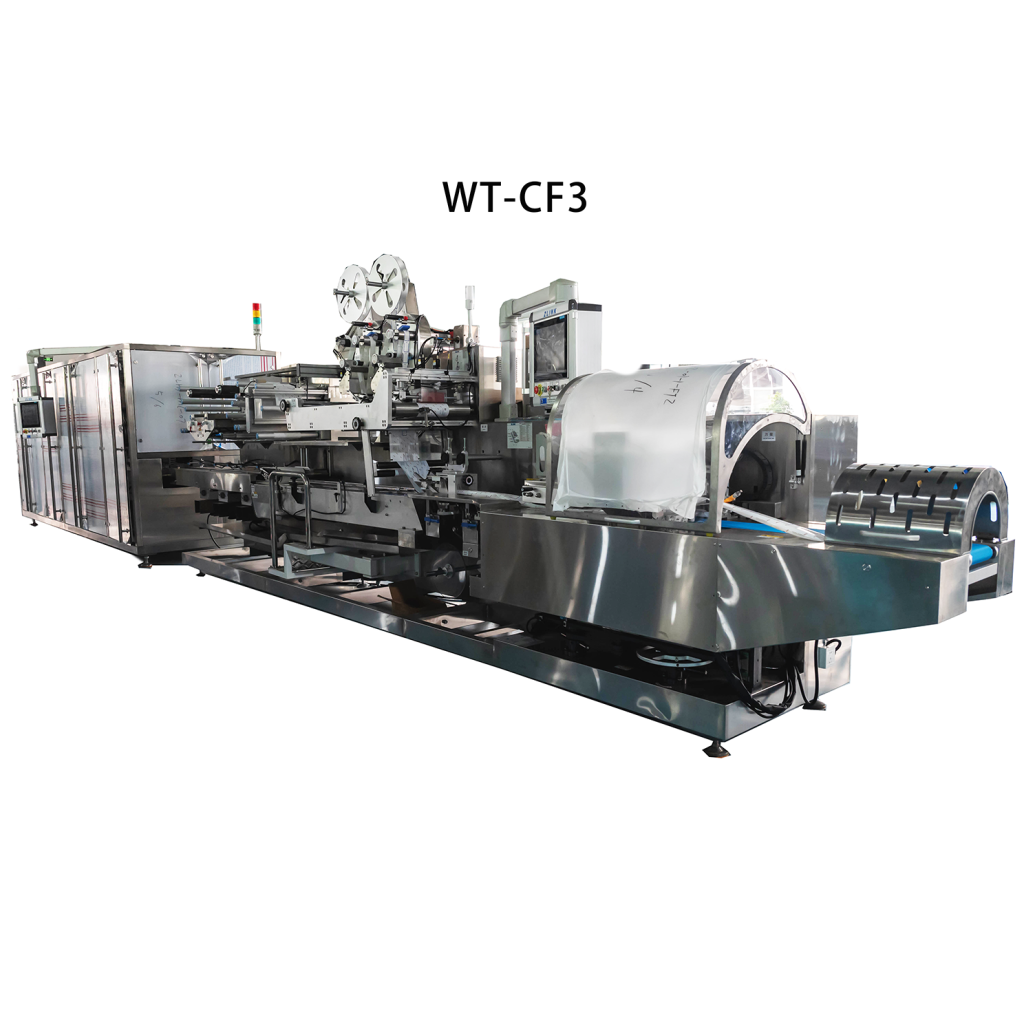
What breaks first?
Here’s what I consistently see: bearings wear out, belts stretch, and control panels lag behind modern communication standards. Add in a hot-air dryer that uses older power converters and you get inconsistent moisture levels. Look, it’s simpler than you think — the symptoms are obvious if you look for them, but the cause is layered and often hidden. That’s why a checklist approach fails unless you address root causes: mechanical wear, outdated control logic, and poor preventive maintenance regimes.
Forward-Looking: New Technology Principles for Better Lines
wet wipe machinery is evolving, and I want to focus on principles that actually change outcomes — not buzzwords. Modern lines rely on modular control architectures, predictive maintenance enabled by edge computing nodes, and flexible servo-driven modules for precise web handling. These principles reduce downtime because they let you swap a module without halting the whole line. They also make troubleshooting far faster — you can see which module drifted, when, and why.
What’s Next
Practically speaking, I recommend three moves: introduce condition monitoring for critical bearings, upgrade to a PLC with open communication standards, and adopt a tighter tension control system with closed-loop feedback. These changes don’t have to be massive capital projects; phased upgrades often work best. — funny how that works, right? You get immediate gains in stability and then compounding benefits as data starts to inform decisions.
To pull this together: focus on the pain points we uncovered (mechanical wear, outdated control, inconsistent drying), then apply targeted tech principles. In doing so you’ll lower scrap, improve uptime, and make maintenance less reactive and more planned. I’ve walked teams through this shift and seen measurable improvement within weeks — which feels rewarding, and motivates the next round of upgrades.
Closing Advice — Choosing the Right Path Forward
I’ll wrap up with three practical metrics I use when evaluating whether to repair, retrofit, or replace wet wipe lines:
1) Uptime impact: measure current downtime hours per month and estimate reduction with each upgrade. If you can cut downtime by even 30%, the ROI becomes clear. 2) Energy and process efficiency: compare energy consumption per thousand wipes and moisture consistency before and after any change. This often reveals hidden savings from newer hot-air dryers or efficient power converters. 3) Maintenance demand: track mean time between failures (MTBF) and mean time to repair (MTTR). Lower MTTR with modular components and improved PLC diagnostics usually pays back quickly.
I know these choices feel heavy; I’ve been in the room where budgets are tight and expectations high. My suggestion: pilot small, measure hard, and scale what works. That approach keeps risk down and learning fast — and yes, it builds confidence across the team. For teams looking to act, I recommend evaluating vendors and solutions against those three metrics first.
For more practical tools and examples, I often point colleagues to detailed resources and providers who understand both mechanical realities and control systems. If you want a partner that blends both, take a look at ZLINK — they’ve helped teams bridge the gap between old lines and smart upgrades without overpromising.

