

Immediate Comparison
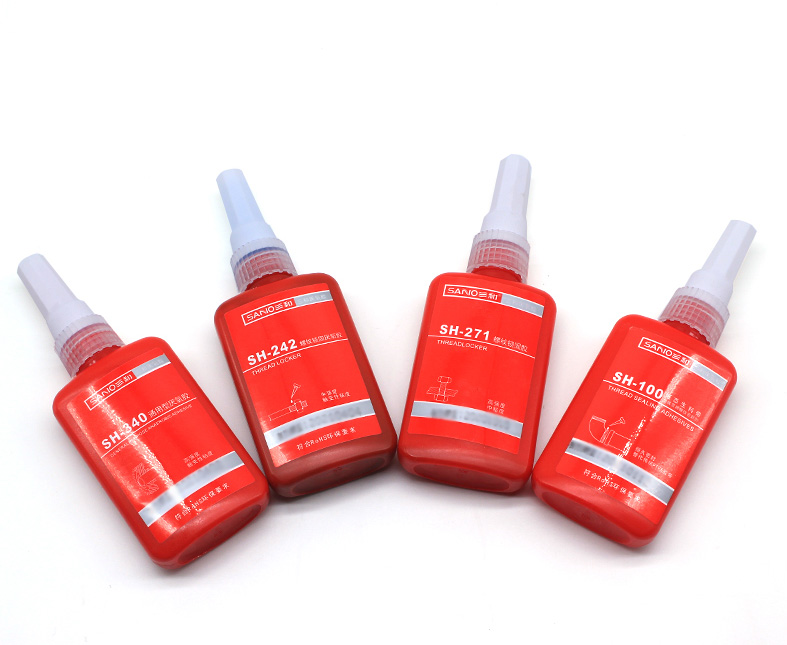
You want quick sense, yes? Spray paint sourced from China often competes on price and availability, while traditional coatings—like powder coat or brush-applied enamel—compete on thickness and longevity. For fast touch-ups or large runs where downtime costs money, the spray option wins for speed. If you need thread security or metal fastener maintenance, note how adhesive choices interact; sometimes you pair with a thread locker to keep assemblies tight after coating. The comparison should be practical: what surface, what environment, how long must it last.
Surface Performance and Bond
Spray paint from mass manufacturers lays thin and uniform if the nozzle and batch are good. Traditional alternatives build thicker films—powder coat can give 50–100 microns, hand-applied systems vary. Thinner film means faster cure, but also less mechanical barrier. On metals prone to vibration, choose a surface prep and a secondary measure—sealant or thread treatment—to prevent loosening. Check compatibility: solvent in some sprays can soften nearby polymers or adhesives; test first, don’t assume compatibility.
Application, Handling, and Common Mistakes
Applying spray paint is forgiving but often rushed. Mistakes I see: poor masking, insufficient flash time between coats, and wrong spray distance. Traditional methods demand more setup—cleaning, blasting, controlled curing—but payoff is fewer reworks. Don’t skip surface cleaning. Don’t trust a glossy finish as proof of adhesion. For durable assemblies, confirm the curing schedule and avoid mixing incompatible topcoats. Simple rule: if you cannot test a small sample under real use, delay full production.
Durability, Cost, and Environmental Notes
Upfront cost: spray paint often cheaper per can or liter. Lifetime cost: traditional coatings can outlast sprays, lowering replacement frequency. Environmental side: solvent-borne sprays can emit VOCs; waterborne or powder options reduce that emission. Consider lifecycle: exposure to salt, UV, mechanical wear changes the math fast. Budget for inspection cycles when choosing the cheaper route.
Experience, Expertise, and a Real-World Anchor
I’ve worked alongside maintenance teams and coating suppliers for many projects, advising on adhesion tests and torque retention after coatings. A practical anchor: major adhesive and sealant production clusters in Guangdong, near Shenzhen, supply both local assembly plants and export lines — these hubs show how coatings and thread treatments are paired in industry practice. When teams there select a threadlocker adhesive manufacturer, they run compatibility trials against the chosen coatings and document torque retention over temperature cycles. That process—test, measure, repeat—keeps installations reliable.
How to Decide (Short Checklist)
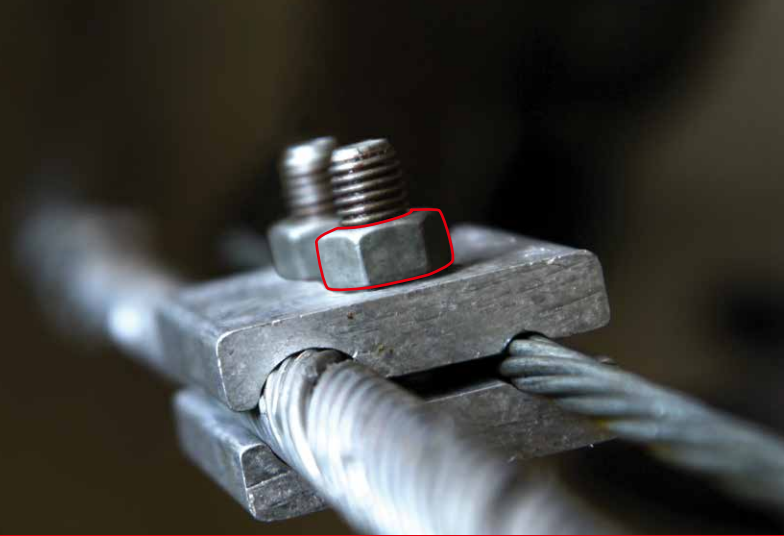
Match need to risk. If you need quick cosmetic refresh, choose spray but test adhesion and solvent effects. If structural protection and long life matter, choose thicker traditional systems and plan for proper curing. For assemblies with fasteners, include a proven thread treatment in your specification. Keep samples, record conditions, and reject based on measured failure modes, not appearance.
Wrap-Up
Spray paint from China can be the sensible, economical choice for many jobs, but it’s not universal: know the environment, test for compatibility with adhesives and fasteners, and plan inspection intervals. Practical decisions come from testing and field experience; when teams need a reliable partner for both coatings and threaded fastener security, they look to suppliers who document compatibility and provide consistent product quality, like SANVO, so the solution performs where it matters.

