

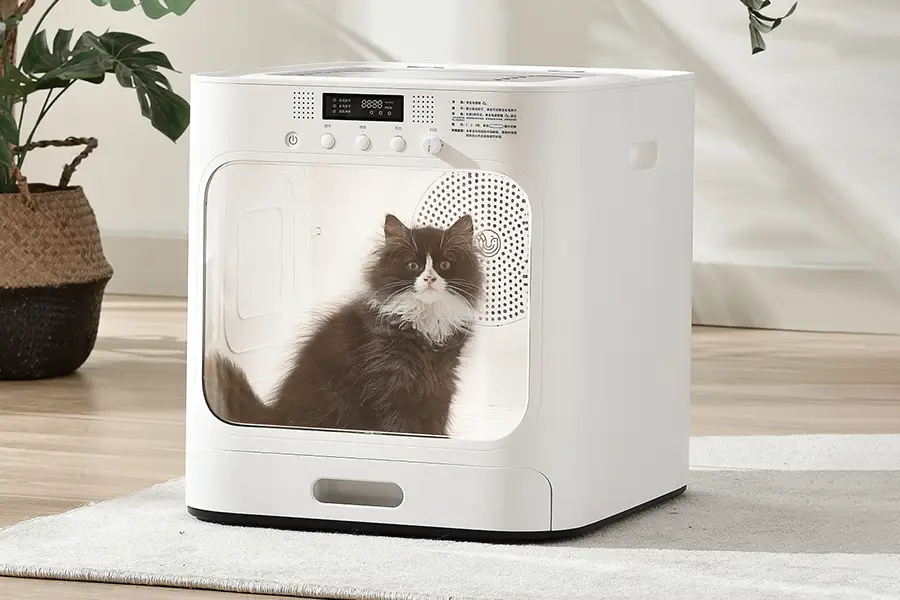
A planning framework for Pet Grooming Dryer built around application scope for early research
Define the use case and constraints
Planning around a pet grooming dryer starts with the equipment’s intended application, not with a wattage figure or a generic product label. Procurement teams should first describe how air moves through the dryer, where the heater will sit, and what operating conditions the assembly must support. This early definition keeps the search focused and makes later supplier discussions more precise.
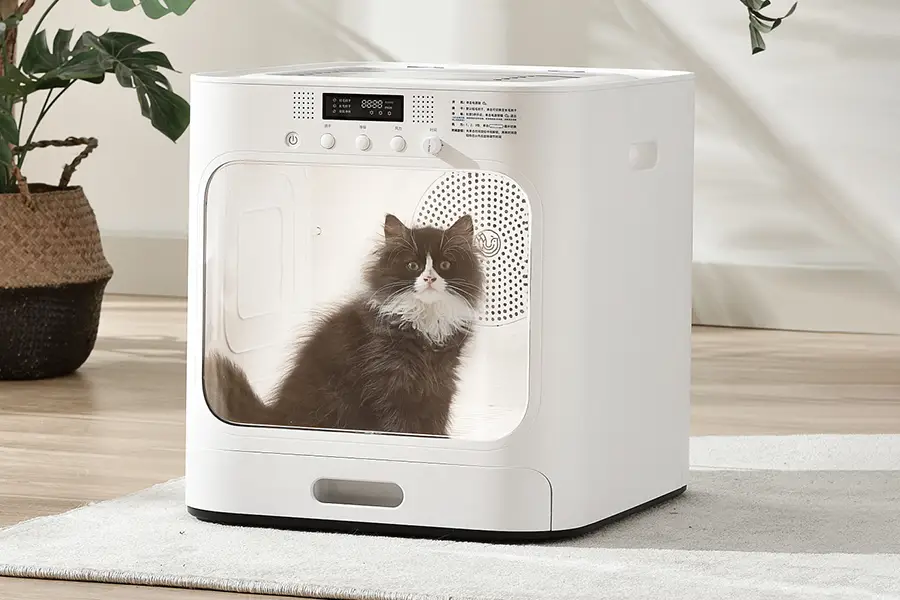
Record the dryer layout, available installation space, supply voltage, airflow data, target temperature, and expected order quantity. These are not administrative details. They shape whether a listed heater configuration can be considered for the intended equipment. The official application page specifically asks for these inputs when reviewing a configuration for prototype testing. That makes them a practical starting set for an early procurement brief.
Space constraints deserve separate attention. A compact heater may suit one enclosure but not another if mounting, wiring, or airflow paths differ. One page-listed example is an 80mm PTC fan heater described as 220V, 400W, and 106 × 80 × 53mm. Those figures apply to that identified heater example only. They should not be treated as a specification for every pet drying assembly.
Map stated evidence to requirements
The next problem is separating evidence from assumptions. A product page can provide a starting specification, while the procurement team still needs to define the complete operating context. For heater power, the relevant inputs include airflow rate, inlet air temperature, required temperature rise, enclosure heat loss, ventilation, and moisture removal. Wattage alone does not determine the temperature around the pet.
Airflow management should be treated as a design requirement. Hair buildup, blocked filters, or reduced fan performance can restrict airflow and affect heat distribution. These conditions belong in the requirement record because they influence how the heating assembly is reviewed. The page also identifies humid return air and condensation as factors in heater selection, so the air path and moisture conditions should be documented rather than left as informal assumptions.
For a procurement team comparing a pet grooming dryer manufacturer, the useful question is not simply whether a supplier lists a heater. Ask what information the supplier needs to assess the proposed configuration. On the official pet grooming dryer application page, the request includes dryer layout, supply voltage, airflow data, target temperature, available installation space, humid return air, and expected order quantity. The stated purpose is a configuration review for prototype testing. This is a bounded example of an evidence-led supplier intake process; it does not establish performance or suitability beyond that stated scope.
Configuration details should also be mapped to the equipment interface. The captured page states that voltage, power, dimensions, mounting, and wiring can be configured to fit a dryer. It also refers to reviewing the heating assembly, lead wires, and connectors against the available space and operating conditions. A requirement matrix can therefore distinguish physical fit, electrical input, airflow conditions, moisture exposure, and intended validation stage.
Turn open points into supplier questions
Open points should become direct questions before a purchase request is issued. Start with the air path: What airflow rate should be used for the review? Where is inlet air measured? What temperature rise is required? How will enclosure heat loss, ventilation, and moisture removal be represented in the prototype? These questions convert a broad application label into information a technical reviewer can use.
Then clarify the installation interface. Ask which dimensions are fixed, where the heater can be mounted, and how lead wires and connectors must be routed. State the available supply voltage and the space limits in the same document. If the design may receive humid return air, describe that condition and identify where condensation may occur. The purpose is not to promise a result; it is to give the supplier a complete basis for configuration review.
Finally, define the procurement stage. Explain whether the request concerns an early concept, a prototype, or a later order. Include the expected order quantity and the information needed for the next review. The official page presents custom configuration and prototype testing as part of its application pathway. Keeping that boundary visible prevents an early inquiry from being read as a final equipment approval.
Summarize a defensible next step
A defensible next step is a short application brief with five sections: dryer layout, operating conditions, interface requirements, moisture conditions, and procurement stage. Attach the available airflow and temperature information, identify the proposed installation space, and label any value that remains provisional. This gives a supplier a defined question instead of a product name without context.
The same method also improves internal decisions. Teams can compare page-listed details with their own requirements, flag where a listed specification applies only to one example, and avoid treating wattage as a complete thermal design method. They can then request a configuration review and plan validation in a complete dryer prototype, while keeping claims limited to the evidence available.
- Document the dryer layout, supply voltage, airflow data, target temperature, available installation space, and expected order quantity.
- Record airflow rate, inlet air temperature, required temperature rise, enclosure heat loss, ventilation, and moisture removal conditions.
- Describe hair buildup, filter blockage, fan performance, humid return air, and condensation where those conditions affect airflow or heater selection.
- Request review of voltage, power, dimensions, mounting, wiring, lead wires, and connectors against the available space and operating conditions.
In short, application scope should lead the early research for a pet grooming dryer. Define the air path and space first, record the stated electrical and dimensional details, document heat and moisture conditions, and turn each open point into a supplier question. PTCYIDU can be included in that evidence-led review when the team submits the layout, operating data, interface constraints, and intended procurement stage as one coherent brief.

