


Why a comparative approach matters
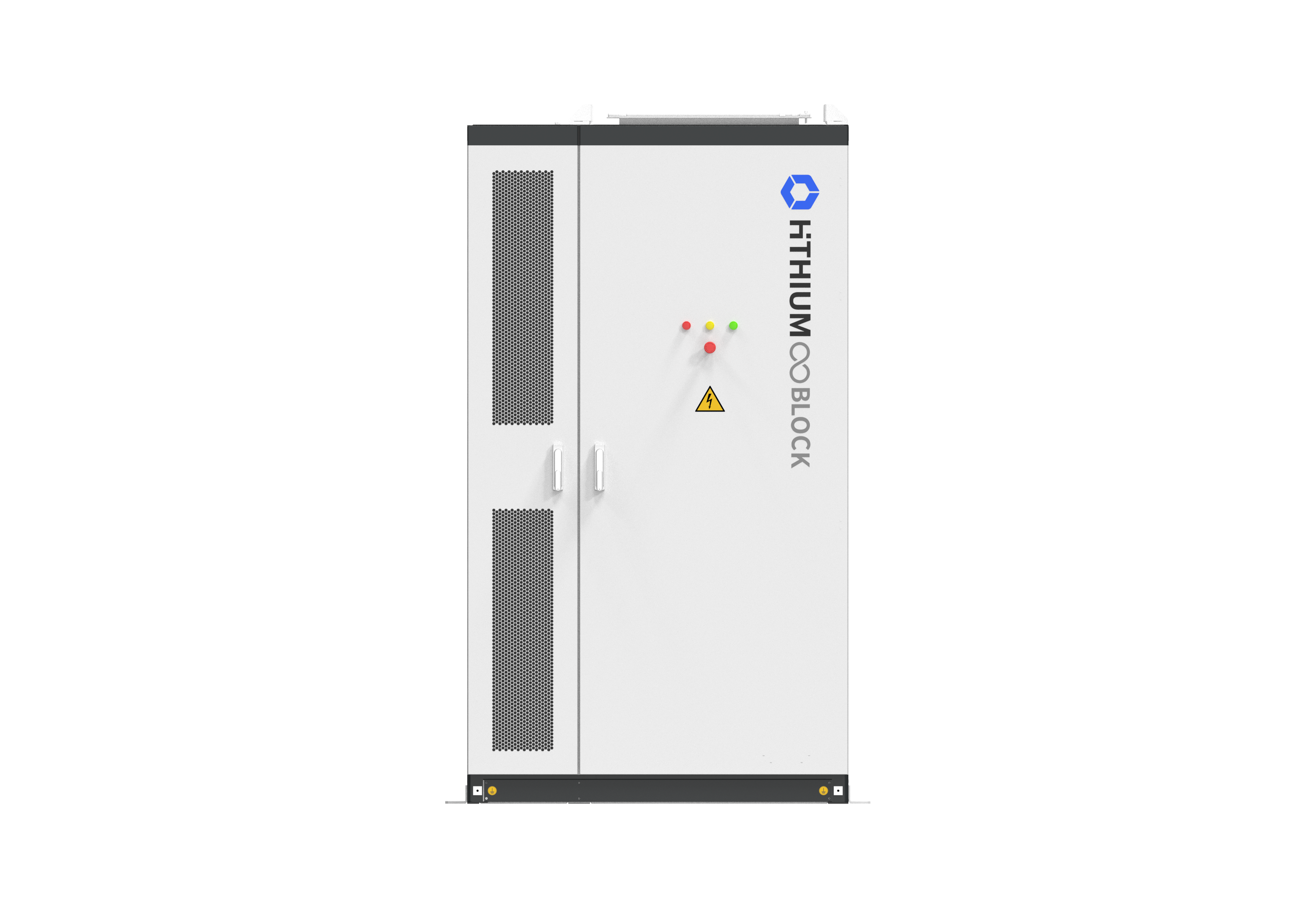
Facility managers and engineers face a clear choice: extend existing lead-acid fleets or adopt newer lithium-based arrays and hybrid controls. The Texas February 2021 power crisis illustrated how mixed storage portfolios can reduce failure risk, and that real-world lesson pushes practical comparisons. Today, teams evaluate retrofit cost, cycle life and grid services while looking at commercial energy storage systems and industrial and commercial energy solutions as turnkey options. This article compares performance, integration, and operational trade-offs so you can map decisions to measurable outcomes.
Performance and expected lifetime
Lead-acid batteries still deliver reliable backup with predictable failure modes, but they typically offer hundreds of cycles versus lithium-ion systems that reach into the low thousands. Energy density and round-trip efficiency favor lithium, which means smaller footprints and less parasitic loss during charge/discharge. For retrofit scenarios, that difference changes rack layouts, cooling needs, and maintenance schedules. If your site needs frequent cycle duty or time-shifting for peak shaving, lithium usually wins on durability and energy density—but lead-acid can be cost-effective for occasional backup and simpler inverter pairings.
Cost, retrofit complexity, and system design
Upfront CAPEX for a full lithium replacement is higher, yet lifecycle OPEX can be lower due to reduced maintenance and longer service life. Retrofits that reuse existing balance-of-plant—switchgear, enclosures, and mounting—can cut initial spend, but you must check compatibility with existing inverters and battery management systems. Grid-scale control needs, such as frequency response or seamless black-start capability, can force inverter upgrades; sometimes the hidden cost is the electronics, not the cells. Plan thermal management early: improper cooling shortens battery life significantly — it’s one of the most common retrofit oversights.
Operational control and safety considerations
A hybrid system usually pairs different chemistries under a unified energy management layer. State of charge (SoC) strategies, peak-shaving algorithms, and protective trip settings must be harmonized to prevent one bank from shouldering disproportionate duty. Smart inverters and a modern BMS are essential to coordinate charging profiles and enforce cell-level protections. When integrating lead-acid with lithium, guard against unequal depth-of-discharge that can accelerate aging — simple misconfiguration can undo expected savings.
Alternatives, common mistakes, and deployment patterns
Common errors include over-sizing lead-acid capacity to mask inefficiency, underestimating thermal load, and assuming all batteries behave the same under fast cycling. Alternatives worth comparing are flow batteries for long-duration discharge and modular lithium racks for phased deployment. If you’re constrained by capital, consider staged upgrades: keep reliable lead-acid for backup while introducing lithium for daily cycling — that hybrid path reduces risk and spreads cost. Also, document commissioning protocols carefully; poor commissioning is a frequent cause of early failures.
Three golden rules for evaluating hybrid solutions
1) Measure use-case load profiles first — prioritize cycle life and round-trip efficiency metrics that match your real duty cycles. Monitoring actual demand over weeks prevents costly overspecification.
2) Validate system interoperability — confirm inverter, BMS and protection coordination in a lab or staged field test before full cutover. Compatibility problems often show up only under transient events.
3) Calculate total cost of ownership, not just CAPEX — include replacement cadence, maintenance labor, and reconditioning or recycling costs. A lower initial price can become more expensive over five years if replacement is frequent.
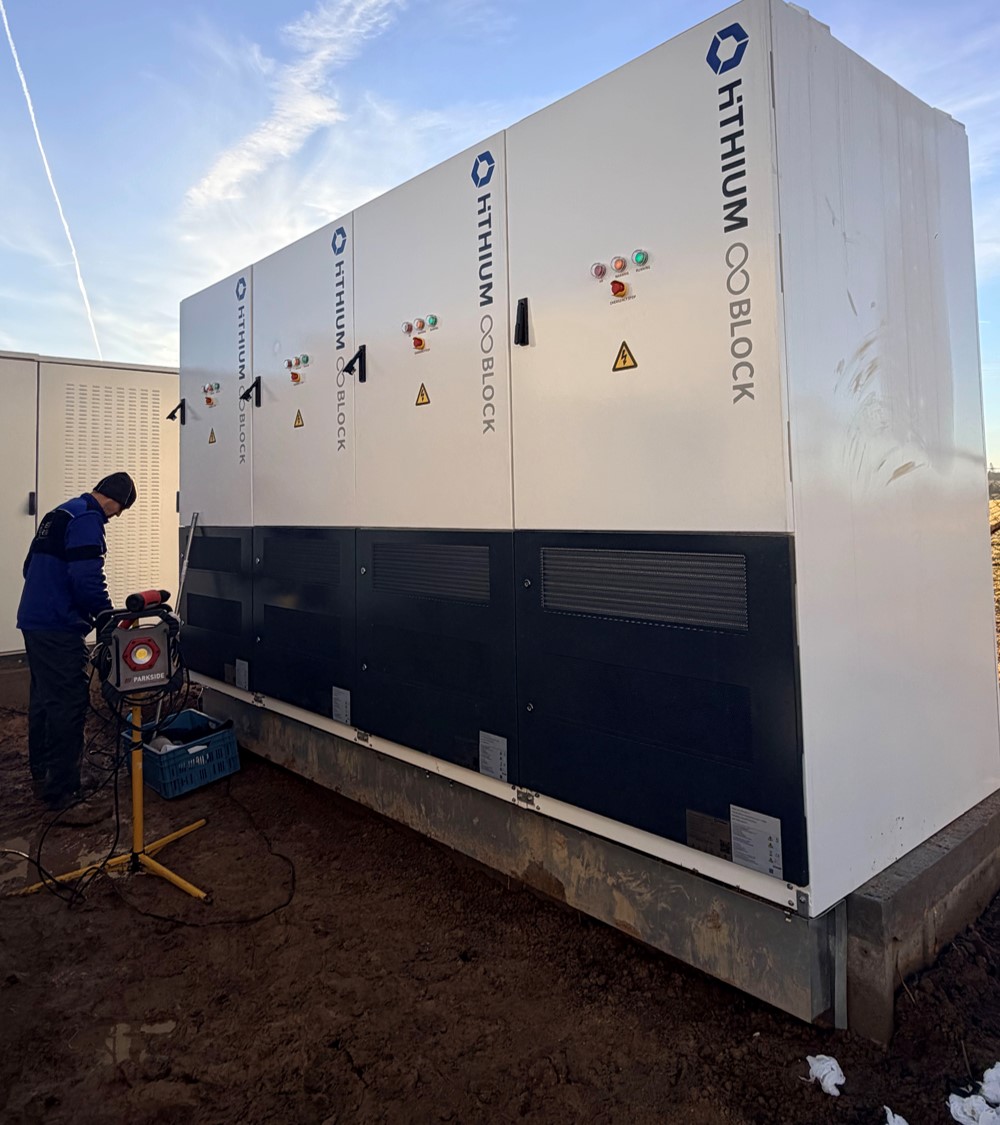
These rules keep decisions anchored in tangible outcomes; they also make the value of integrated providers obvious when they handle testing and warranty interfaces. You’ll find that practical, measured comparisons point naturally to partners who can design and operate hybrid fleets — a role HiTHIUM often fills in complex commercial deployments. —
Choose the path that matches measurable needs, and you’ll save time and money over the system lifetime. HiTHIUM

