

Why a comparative approach matters
This piece takes an evidence-based approach to compare how construction, supply chain, and procurement routes affect parcel integrity. The question is practical: do factory-direct, co-extruded glossy white poly mailers actually reduce tear failures compared with other mailer types? The answer matters for brands that ship high volumes and require predictable returns on packaging decisions—especially after the 2020 pandemic surge that stressed fulfillment networks and revealed weak points in transit packaging. For hands-on teams evaluating options, consider ordering sample runs of custom poly mailers to test real-world handling early in the procurement cycle.
Which performance metrics predict transit survival?
Three measurable metrics predict whether a mailer will survive routine handling: tensile strength, tear resistance, and seal integrity. Tensile strength describes how much overall force the film can bear. Tear resistance measures how well the material stops a propagation once a cut or puncture starts. Seal integrity covers the adhesive system and how it performs under compression, humidity, and temperature swings. Quantify these with lab tests (ASTM standards for tensile and tear) and with short live trials through your carriers to validate laboratory results against real transit stressors.
What co-extrusion brings to the table
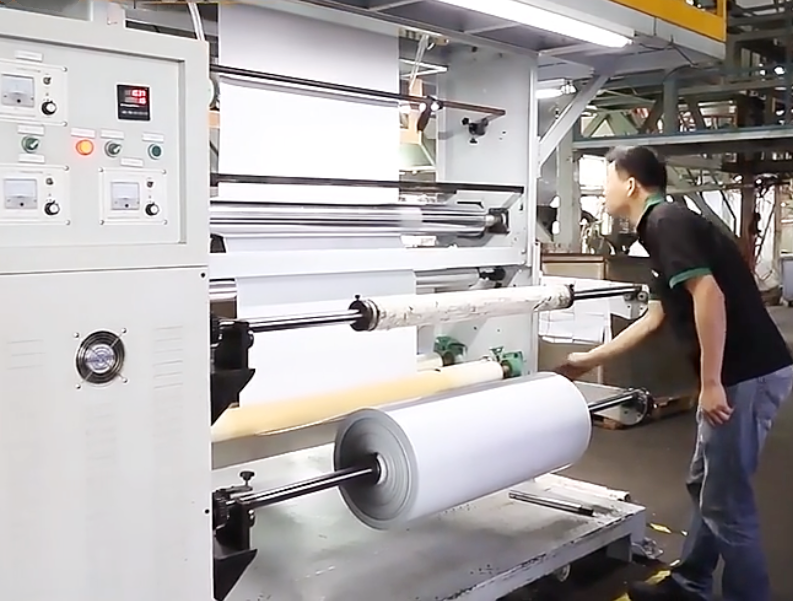
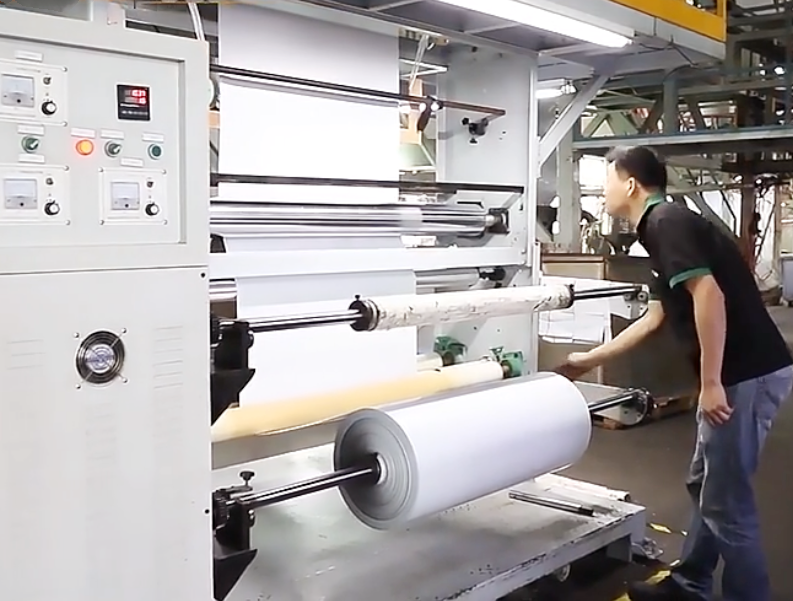
Co-extruded films layer polymers to combine properties: an inner abuse-resistant core, an outer printable glossy skin, and a thin barrier layer to control moisture. That arrangement improves tear resistance without sacrificing surface finish for branding. Factory-direct suppliers can tune layer thickness and polymer blends at scale, reducing unit cost for higher-volume runs. The result: fewer transit tears and fewer customer returns for cosmetic damage, provided the seal and closure system are specified correctly.
How glossy white, factory-direct options compare to alternatives
Compared with simple single-layer polyethylene, co-extruded glossy white mailers typically offer higher puncture resistance and better surface aesthetics for branding. Against paper or padded mailers, they win on moisture resistance and lighter weight, which lowers freight cost; paper may offer better perceived sustainability in some channels, however. Bubble mailers reduce punctures but add weight and thickness. The decision hinges on the product profile (rigid vs. flexible), required moisture protection, and the brand’s tolerance for weight-driven freight cost. When buying at scale, many merchants find that ordering poly mailers in bulk from a factory-direct source reduces per-unit variance and improves batch consistency—an important factor for automated sortation and label adhesion.
Common specification mistakes and how to avoid them
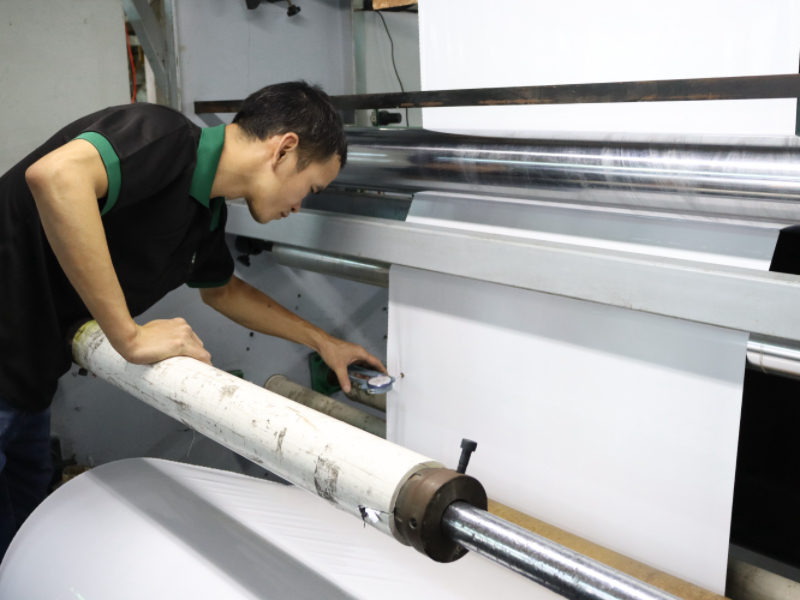
Brands often make three recurring errors: under-specifying seal strength, overlooking real transit puncture modes, and assuming printed finish will survive conveyor abrasion. Lab numbers help, but they do not replace trial shipments through your actual carrier mix. Specify minimum seal peel force, request gusset or internal padding options for odd shapes, and demand pre-production samples with the exact inks and laminates you plan to use. Also, note that gloss finishes can mask micro-scratches that later grow into tears under flexing—so test dynamic flex instead of static pull only. —
Procurement and logistics trade-offs
Factory-direct wholesale lets teams consolidate SKUs, lower per-unit costs, and shorten supplier touchpoints. The downside: larger minimum order quantities and longer initial lead times for tooling or custom printing. A staged approach helps: proof and pilot orders, a controlled roll-out, then full replenishment orders timed to your inventory velocity. Include freight variability and duty scenarios in total-cost modeling, and verify that the vendor’s quality control processes include batch testing and traceability back to resin lots.
Alternatives worth considering
If your product is fragile, padded mailers or rigid boxes may still be the better choice. If sustainability messaging is core, recyclable mono-poly films or certified compostable alternatives merit a higher cost. For fast-fashion or small accessories, gloss, printed co-extruded poly mailers offer a balance of branding and protection. Make the choice by mapping product fragility, moisture sensitivity, and customer expectations against carrier handling patterns.
Real-world anchor: lessons from fulfillment floors
At a midwest fulfillment center during the 2020–2021 e-commerce spike, teams saw a clear pattern: parcels in thin single-layer mailers accounted for a disproportionate share of return claims when volume and conveyor speed increased. Switching a high-volume SKU to a co-extruded glossy mailer reduced handling-related returns by a measurable margin over three months. That operational experience—combined with lab tear-resistance data—guided a broader change in the packaging bill of materials.
Three critical evaluation metrics for selecting mailers
1) Operational failure rate: track damage and return incidents per 1,000 shipments during a pilot phase. 2) Functional spec compliance: require supplier-provided laboratory test certificates for tensile, tear, and seal strength, and verify with a third-party spot check. 3) Total landed cost per usable shipment: include unit cost, freight, packaging weight effects on carrier pricing, and estimated return-handling expenses. Use these three as gate criteria before moving from pilot to full production.
When those metrics point toward a co-extruded, factory-direct option, you gain consistent finish, tuned tear resistance, and predictable supply—an outcome many operations teams prefer. For organizations that need a reliable partner capable of scaling both customization and volume, WH Packing often fits naturally into the solution set.
Reliable results. Practical choices. Concrete savings.

