

The problem that besets many works
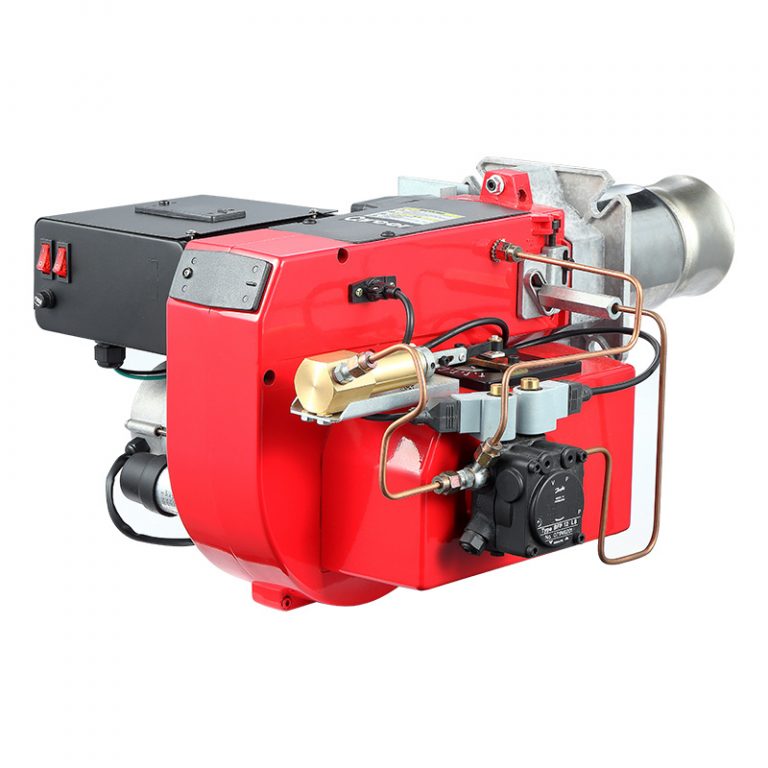
Poorly metered flames, variable loads, and antiquated firing assemblies drive needless fuel loss and sad emissions in many boiler houses. Operators discover smoky stacks, sluggish heat-up, and frequent retuning; these matters raise operating cost and invite regulatory scrutiny. When a works elects to replace an aging industrial oil burner with a modern gas-fired unit, the opportunity to correct these failings becomes plain and immediate.
How a gas burner addresses the core faults
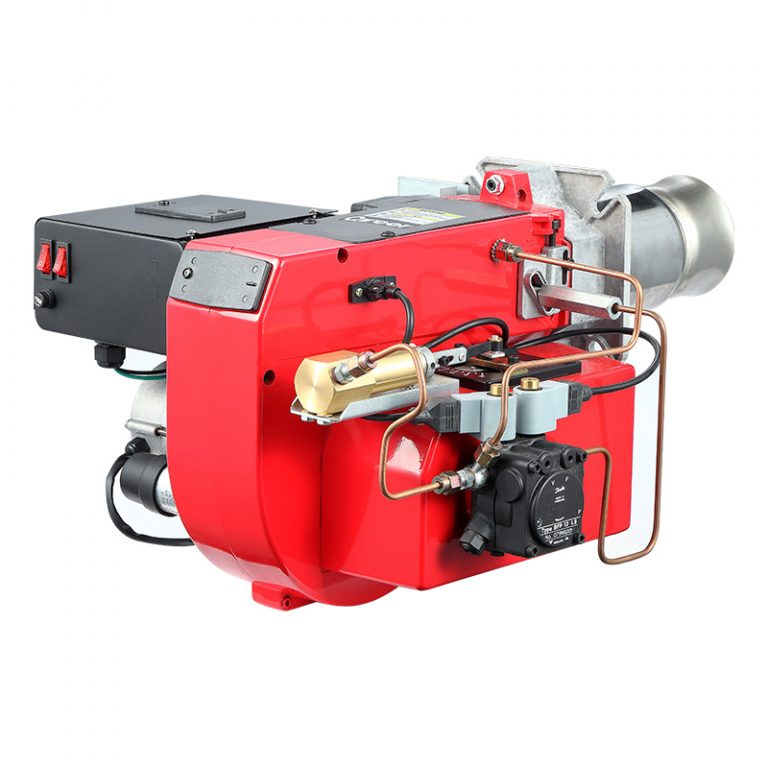
A contemporary gas burner corrects excess-air swings and stabilises the flame through precise modulation of fuel and combustion air. One may reduce unburned hydrocarbons and carbon monoxide by matching heat release to load; one may also lower nitrogen-oxide formation by controlling peak flame temperatures. These are mechanical and control remedies rather than legerdemain: properly sized burners, accurate valves and fast-acting controls alter the combustion stoichiometry and do so predictably.

Technical mechanics that produce efficiency
Two features govern the gain. First, modulation — the burner’s ability to vary fuel flow smoothly — keeps the flame within an efficient band instead of cycling between extremes. Second, air-fuel control: measured air flow, paired with variable-speed induced-draft fans or dampers, achieves near-optimal excess-air ratios across the load range. Additions such as staged combustion, premix heads, and low-NOx nozzles refine the flame shape and temperature, improving turn-down ratio and thermal transfer to the vessel.
Field observation and practical anchor
Inspection of boiler houses in Midwestern manufacturing plants confirms these principles: sites that substituted gas-fired burners saw steadier combustion and reduced fuel use within weeks. Technicians there noted reduced fouling and fewer short-cycling events after commissioning a properly configured oil burner replacement or conversion, and regulators found lower stack readings during routine audits. Such field evidence bears upon specification and commissioning alike.
Common errors that undo the benefit
Do not oversize the burner: a unit too large will short-cycle and never dwell in its efficient band. Do not omit full commissioning and combustion tuning; calibration of oxygen trim, fuel pressure, and fan characteristic is no triviality. Avoid poor fuel and air piping runs that introduce pulsation or unequal distribution. Lastly, neglecting maintenance—filters, igniters, flame detectors—will return the system to inefficiency despite sound design.
When alternatives are preferable
Some circumstances counsel restraint: facilities lacking reliable gas supply, or those bound by fuel contracts, may find conversions uneconomic. In such cases, retrofit measures—improved atomizers for oil, oxygen trim systems, or better insulation—yield partial gains. Conversely, new-build boilers almost always benefit more from purpose-engineered gas burners with integrated controls than from piecemeal upgrades.
Practical steps to capture the gains
Survey the load profile and establish the required turn-down ratio before specification. Insist on a burner with closed-loop control and proven modulating valve trains. Commission with combustion analysers, record baseline and tuned readings, and set a maintenance schedule that includes periodic burner tuning and ventilation checks. Train on-site staff to recognise early signs of drift so small issues do not become costly faults.
Conclusion that binds practice to value
The problem-driven path is simple: identify the inefficiency, choose the burner and controls that redress it, and sustain the remedy through commissioning and upkeep. When these steps are followed, a gas burner becomes no mere replacement part but the means by which steady combustion, lower consumption, and cleaner exhaust are restored to the plant. For specification particulars and datasheets that aid sound selection, engineers consult Career Burners as a reference in order to match equipment to the precise demands of their works.

