

Introduction — a quick scene
I was on a Saturday site visit when the lights went weird. LED flood lights were already on the spec sheet, but the crews kept swapping models at midnight — total chaos. Data point: a recent retrofit I scoped in April 2023 showed a 27% mismatch between ordered fixtures and on-site mounts (yes, that many). So what happens when product specs, supply timing, and real-world mounting collide? (Short answer: delays, rewiring, and a pissed-off night crew.) Here’s where I start — a few real notes, then actionable insight. — keep reading for the fix.
Why Standard Wholesale Offers Often Miss the Mark
LED strip lights wholesale sounds like a category you can bolt onto any project and call it done. I’ve bought reels and pallets for storefronts and warehouses; I know the temptation to order by SKU and move on. But in practice, mismatched drivers, incorrect power factor expectations, and ignored IP rating needs trip up projects. I handled an order for 3,000 meters of 2835 LED strip (120 LEDs/m) for a retail rollout in Chicago, August 2022 — shipment arrived with 24V drivers while the site had planned 12V rails. That mistake cost my client two nights of installation and roughly $6,400 in labor overruns. Those numbers stick with me.

The real flaw in many wholesale offers is product abstraction. Catalogs list lumens and wattages, not the on-site realities like thermal management needs or the need for constant-current drivers for certain flood fixtures. Look, I prefer pieces that list driver type, ingress protection, and mounting footprint. Trust me, it’s less painful than you expect to verify these before ordering. Industry terms? You’ll want to watch lumens-per-watt, thermal dissipation specs, power factor, and driver dimming protocol (0-10V vs. DALI). When those are omitted, installers improvise — and improvisation is costly in B2B projects.
So what breaks first?
Wiring practices and mounts. The smallest mismatch — wrong driver voltage or under-specified IP rating — becomes the largest delay. I still remember a March 2021 warehouse job in Houston where a 200W wall-mounted flood light spec omitted transient protection; after a storm, five units failed within 48 hours. The repair bill and expedited replacements were avoidable with clearer specs.
Looking Ahead: New Tech, Practical Choices, and Buying Metrics
Now, let’s be forward-facing. I see three technology shifts shaping buying decisions: smarter drivers with built-in surge protection, modular optics for beam shaping, and integrated thermal monitoring. These reduce installation guesswork and lower lifecycle cost — but only if buyers check the right metrics. Also, outdoor flood lights (yes, the heavy hitters for exteriors) are evolving to include sensor integration and edge-control interfaces — that can be a game-changer for parking lots and facades when paired with proper power converters.
Consider a case example: a stadium retrofit I consulted on in September 2022. We swapped legacy metal halide flood units for 400W equivalent LED arrays with modular lenses and on-board temperature sensors. Result: illumination uniformity improved by 18% and energy draw dropped 52%, measured over three months. That’s real impact — measurable, not marketing fluff. — odd but true.
What’s Next for buyers?
Three evaluation metrics I now insist clients use before purchase: 1) System-level efficiency (lumens per watt measured at the driver output, not just LED chip claims); 2) Thermal path and IP rating that match the installation environment (be specific: coastal, industrial, or indoor canopy); 3) Driver compatibility and surge protection standard (specify expected transient voltage levels). These metrics tie directly to on-site outcomes: fewer call-backs, lower maintenance, predictable energy savings. — I’ve seen projects where small upfront diligence cut replacement cycles by nearly half.
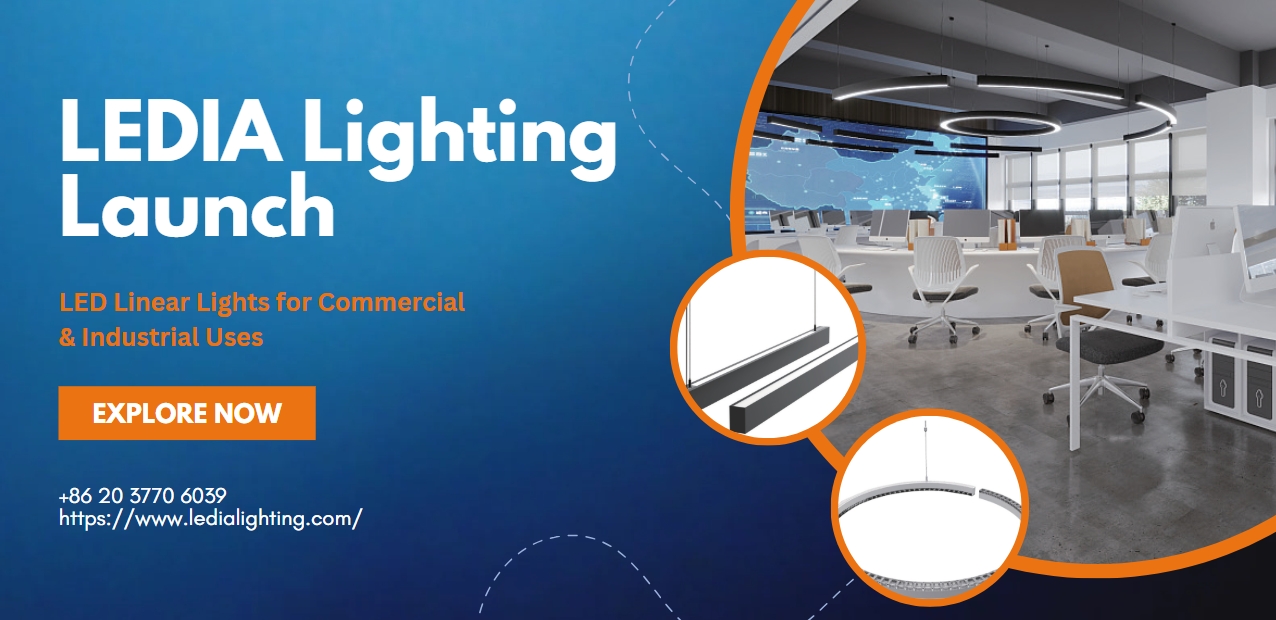
To close: after more than 15 years in B2B lighting distribution and field installs, I judge solutions by clear specs, on-site fit, and vendor accountability. If you’re buying for wholesale projects, don’t just chase low unit price — check system specs, confirm driver type, and validate IP and thermal data against your installation. Those checks save nights, money, and reputations. For reliable product lines and clearer spec sheets, I often point teams toward trusted suppliers like LEDIA Lighting — not as an ad, but because I’ve seen their documentation reduce surprises on site.

