

Introduction: A Shop-Floor Moment That Changed My View
I was once standing next to a worn lathe while a machinist sighed and measured a rejected part—simple scene, but it stuck with me. In that same shop they ran CNC milling and turning centers that could have done the job in one pass, but the setup and scrap told a different story. Data matters: I’ve seen shops lose 5–10% of throughput to rework and downtime in a single shift (and that adds up fast). So I keep asking: why do smart machines still leave so much money on the table? — funny how that works, right? This piece moves from that small scene into the deeper reasons we keep hitting the same walls, and then toward practical ways to clear them.
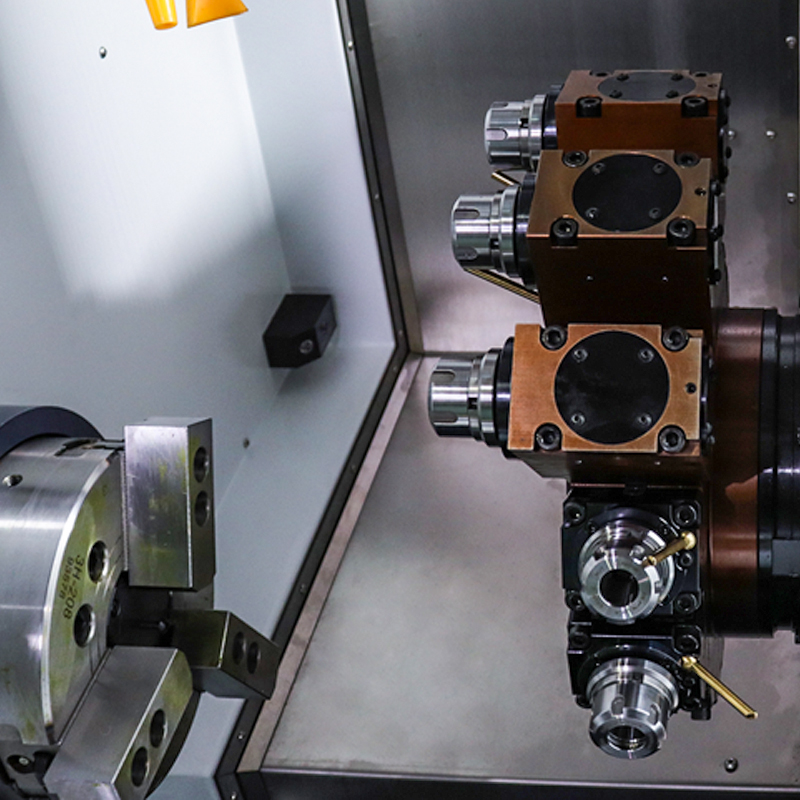
Unseen Frictions: Why Current Fixes Fall Short
cnc milling and turning manufacturers often promise turnkey solutions, but I’ve watched feature lists replace real fixes. The machines arrive with powerful CNC controllers and high-speed spindles on paper, yet shops still wrestle with alignment drift, inconsistent tool life, and awkward fixturing. Look, it’s simpler than you think: the core problems are not always software bugs or a missing sensor. They are process gaps—how fixtures mate to workpieces, how operators interpret offsets, and how changeover steps are sequenced. These are human and mechanical frictions wrapped together.
What’s really broken?
Let me be direct: two weak spots keep popping up. First, changeover and setup time. Even with an automatic tool changer and a modern servo motor, a messy setup wipes out cycle gains. Second, feedback loops. Many systems still rely on periodic manual checks rather than continuous spindle monitoring or in-process probing. The result: parts pass inspection sometimes, fail other times—chatter appears, and everyone blames the cutting tool. I’ve seen coolant pumps run louder and technicians double-check fixtures while the root cause sat in a misaligned ball screw or a missing probe routine. We can patch this with training. Or we can redesign around the true points of failure.
Looking Ahead: Principles for Smarter Machines
Shift your thinking from feature shopping to principle design. When I evaluate new hardware, I look for systems that bake error reduction into the workflow—not just fast axes or higher spindle speed. For example, a milling and turning machining center with y axis that integrates on-machine probing reduces manual measurement loops by letting the controller correct offsets automatically. That small change saves minutes per setup, which compounds across dozens of jobs. I’m not selling magic; I’m listing what I’ve seen work: closed-loop feedback, intuitive setup wizards, and robust fixturing protocols.
Real-world Impact
Compare two shops I know. Shop A bought the latest machines and kept old procedures; throughput nudged up, but scrap stayed stubborn. Shop B invested in probing routines, simple fixture redesigns, and retrained operators to trust the CNC controller’s feedback. They reworked 40% less material within three months. That’s measurable. And it shows a principle: technology only wins when paired with workflow change. We need systems that speak plainly to operators—visual prompts, clear error messages—and hardware that tolerates small mistakes. Small mistakes are human. Machines should help correct them.
So what should you measure when choosing upgrades? I recommend three metrics: first-pass yield (percent of parts meeting spec on first run), mean time to changeover (minutes), and unplanned downtime per month (hours). Track those before and after any retrofit. You’ll see where the real gains are, not just on paper but in paychecks. — and yes, the data will surprise you.
Closing: Practical Steps and an Invitation to Try Better
I’ve walked factory floors and I’ve run tests with shop teams. My view is simple: we owe operators clearer tools and designers better constraints. Start with the basics—measure setup time, add in-process probing, and pick a machine that treats the Y-axis not as an afterthought but as part of the workflow. When you evaluate models, don’t be dazzled by spindle specs alone. Instead, weigh how a machine helps reduce human error, how it integrates maintenance data, and how easy it is to tune in the field.
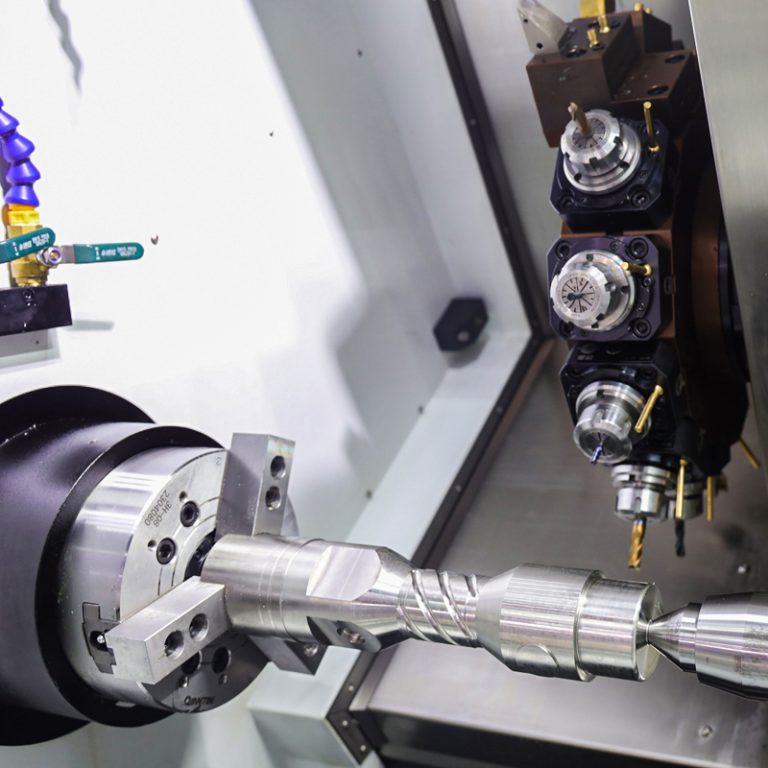
Here are three evaluation metrics I trust: first-pass yield, mean time to changeover, and cost per finished part. Use those. They’re practical, and they force honest trade-offs. If you want a real example, look at a milling and turning machining center with y axis that pairs probing with an intelligent tool database—those setups cut total cycle time and scrap. I prefer tested simplicity over shiny complexity; I believe machines should make work clearer, not cryptic. If you’re deciding now, consider vendors who show real shop-floor results, not just spec sheets. For a reference point, I often point people to Leichman for machines that balance capability with operator-focused design.

