

Introduction: Voices, Glass Walls, and a Promise of Clarity
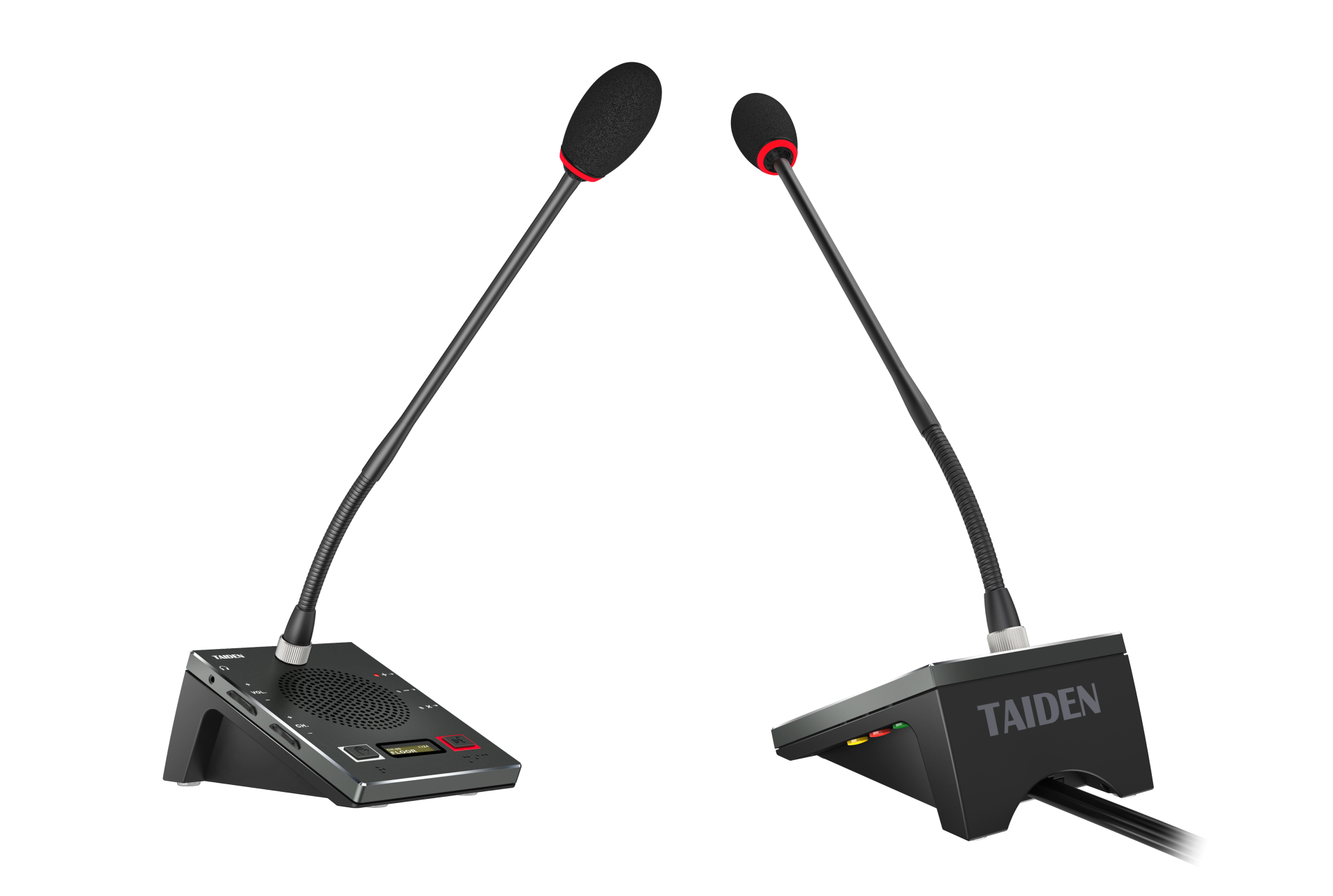
You slip into the glass room five minutes before the pitch. The conference room mic system waits on the table like a calm little lighthouse, promising to catch every word and steer it home. Still, we know the numbers: surveys say a third of meetings stumble because people cannot hear, or cannot be heard. The chart looks stark, the lips move, the remote team asks for repeats—again. So why, in a world of fast chips and smart apps, do voices get lost between chairs and screens? And why does a whisper of noise change hearts as surely as a bold slide deck? The answer hides in plumbing you can’t see, in gain and timing and the way a room breathes. It also rests in design choices baked into yesterday’s hardware. I’ve watched deals wobble from a tiny bit of hiss (and oddly, a squeak of feedback at the worst moment). This is about more than specs; it is about trust in sound. Let’s walk through what keeps rooms from singing, and where a better path is already here.
Under the Hood: The Delegate Unit Dilemma
Why do “simple” panels complicate meetings?
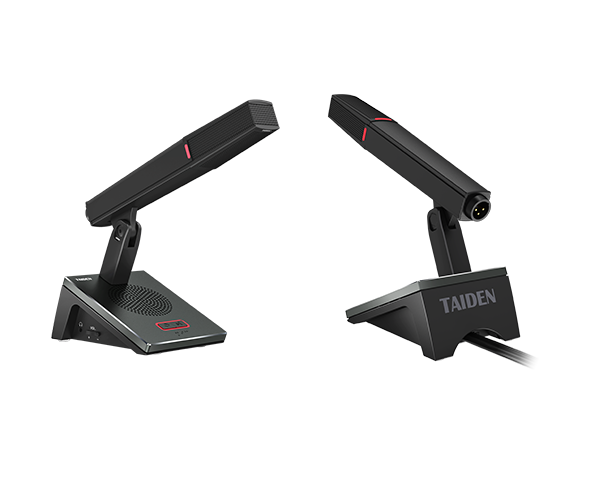
Start with the delegate unit. It looks simple: a push-to-talk pad with a mic, a button, maybe a light. Yet, in many legacy setups, that little box carries old habits. Fixed gain, long daisy-chains, and power bricks stacked like tiny anchors. Add room changes and you get slow fixes and faster frustration. Latency creeps in across runs, and acoustic echo cancellation falls short when people speak over each other. Look, it’s simpler than you think: when a system can’t shape sound at the seat—right there at the talker—problems spread fast. You chase levels, ride faders, and pray the remote site keeps up.
Traditional panels often skip local DSP and depend on a far-end brain. That means weaker beamforming at the talker, less precise mix-minus routing, and more noise piling up before correction. Split power instead of PoE adds clutter and failure points. A small nudge on the table, and the capsule points at air instead of the mouth. The result? Drift, reverb, and a need for constant tech hand-holding. Meanwhile, firmware updates lag behind room needs, and simple changes take a ticket. Conferences should flow; people should forget the gear. But old delegate logic makes you remember—every time.
Comparative Tomorrow: From Wires to Wisdom in the Table
What’s Next
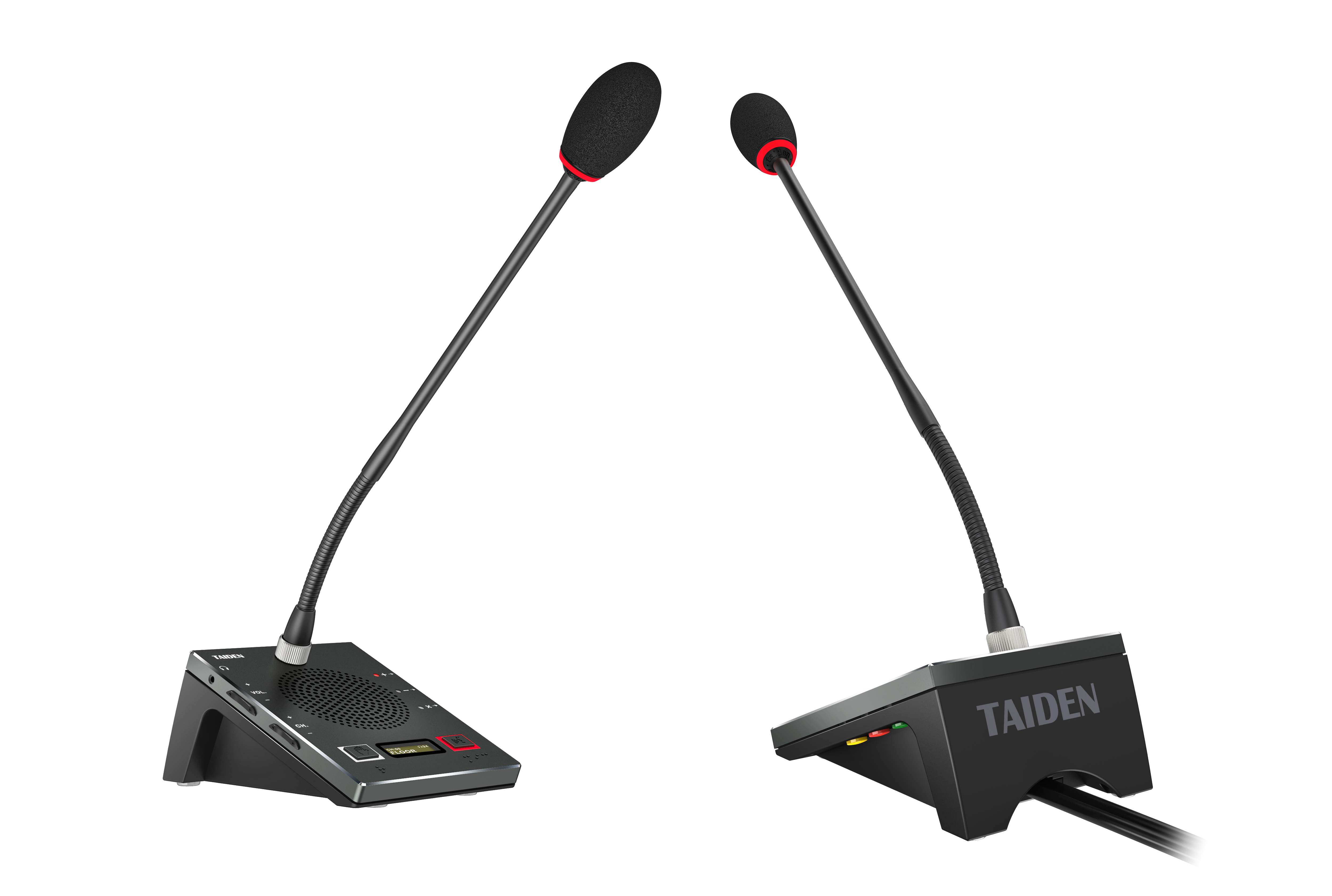
New systems flip the script. They bring DSP to the edge—tiny processors at each mic that adjust gain in real time and shape pickup with beamforming. Instead of long analog runs, devices ride PoE with clean power and data on one cable. Encryption protects streams end to end. Firmware updates add features without ripping out gear. And latency? It drops when audio decisions happen close to the voice. Compare that to older panels where signals travel, wait, get fixed, then return. The future sounds faster because it is. Each seat becomes an intelligent node, not a passive passenger—funny how that works, right?
Real rooms tell the story. In a boardroom retrofit, seat-level processing stabilized the gain structure, so crosstalk died down and remote sites stopped asking for repeats. Acoustic echo cancellation improved because the system knew who spoke, when, and how loud. A microphone manufacturer can now ship arrays that learn the room after a few meetings, then lock in settings that stay steady when chairs move. Add a SIP gateway for direct calling, and the table becomes the call. No extra boxes. Fewer cables. Less chance of hiss sneaking in. It’s not magic; it’s clear design: do the work at the seat, coordinate in the rack, and keep the network calm and visible.
So what should you weigh when choosing? Think in three clean metrics. 1) Latency budget: end-to-end delay must stay low even with full noise reduction engaged. Ask for millisecond figures, not “low.” 2) Echo control under stress: check acoustic echo cancellation in hard rooms, not just the lab. Watch how it behaves when two people talk at once. 3) Operability: PoE, simple zoning, and quick firmware paths. Can a non-engineer mute a zone, update features, and log issues? If these pass, the rest follows. Your meetings will land clear, your people will relax, and the system will quietly earn its keep—day after day. For a steady partner in that direction, see TAIDEN.

