

How the problem shows up
Projects that need tight tolerances too often stall between a neat CAD file and reliable production: unexpected warping, repeated set-ups, and parts that pass visual checks but fail assembly. When teams try to skip careful prototype validation, weeks of rework follow. That is why early engagement with specialist services such as 5 axis cnc machining services matters — not as a silver bullet, but as a targeted fix for problems that crop up when complexity and precision meet.

Pinpointing the causes
Most failures trace to three avoidable slip-ups. First, treating a prototype as merely a visual model rather than a dimensional test. Second, choosing the wrong material or surface finish and assuming it won’t affect fit. Third, relying on multiple 3-axis set-ups where a single 5-axis operation would control geometry and datum repeatability. These are practical mistakes, not theory. Fixing them is about process and choices, not expensive tools alone.
Where CNC prototyping actually helps
A disciplined prototyping phase proves geometry, fixturing and assembly behaviour before full production. A quick CNC prototype tests how a part reacts to machining stresses, how thin walls hold up, and whether mating faces need rework. When five-axis capability is available, complex contours and single-setup machining reduce cumulative error. That means fewer trimming operations, less manual fitting and clearer production expectations for quality control teams.
Real-world experience and a practical anchor
I’ve worked alongside small precision shops and OEM teams, testing prototype runs and tightening tolerances for medical fittings and aerospace brackets. A clear industry moment came at Hannover Messe, where vendors and buyers compared single-setup machining benefits and showning how multi-axis workflows shorten iterations; that discussion highlighted suppliers who specialise in those capabilities — like 5 axis cnc machining supplier — and made the production case obvious to engineers and project managers alike.
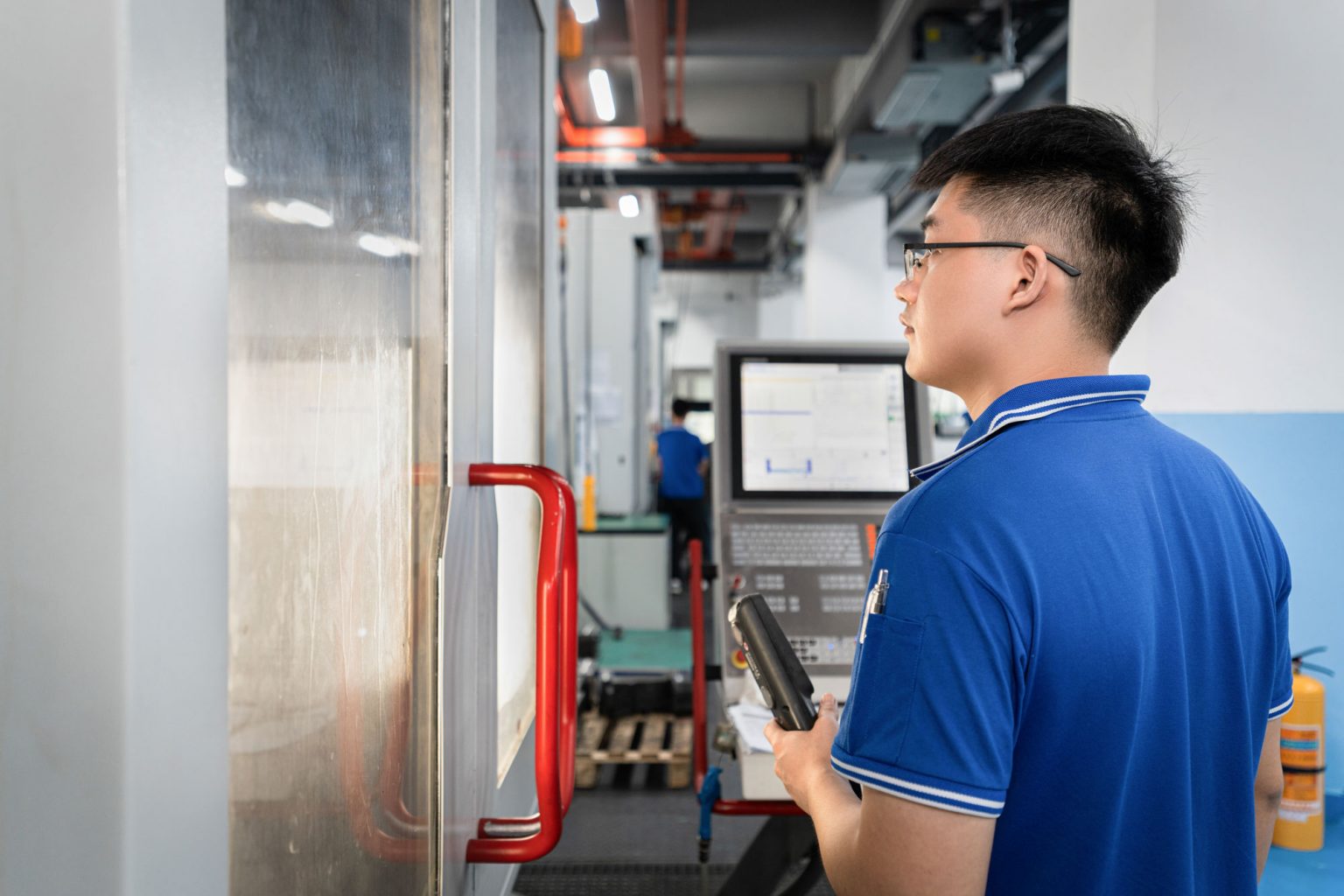
Common pitfalls to avoid when moving from prototype to production
Don’t sign off on a part because one prototype met visual cues. Confirm dimensional stability across multiple trials, inspect datum repeatability, and check edge finishes under assembly loads. Avoid swapping material late in the chain — metals machine differently and change stress relief needs. Don’t underestimate fixture design: a poor fixture multiplies variance. Finally, resist the instinct to over-tolerate; tighten only where function demands it, and document why each tolerance exists.
Alternatives and pragmatic trade-offs
Additive manufacturing offers quick visual checks and internal geometry tests, but it often fails to reproduce the surface finish and mechanical properties of machined metal. For non-structural parts, additive prototyping saves time. For load-bearing or precision mating components, CNC prototypes remain the standard. A hybrid approach—use 3D prints for layout and CNC for final-fit verification—is a common, sensible compromise that reduces late-stage surprises.
Delivering repeatable value
Prototyping isn’t a separate phase to rush through; it is the laboratory where you prove manufacturability. Clear objectives for each prototype run, consistent inspection steps, and early talks with shops that understand multi-axis machining cut iterations. When teams align on those points, the move from prototype to batch is measured and reliable, and the right production partner naturally becomes part of the workflow — for many projects that means working with specialists such as Hanstar who can translate validated prototypes into predictable output without surprises.

