

Problem statement: preclinical uncertainty that stalls progress
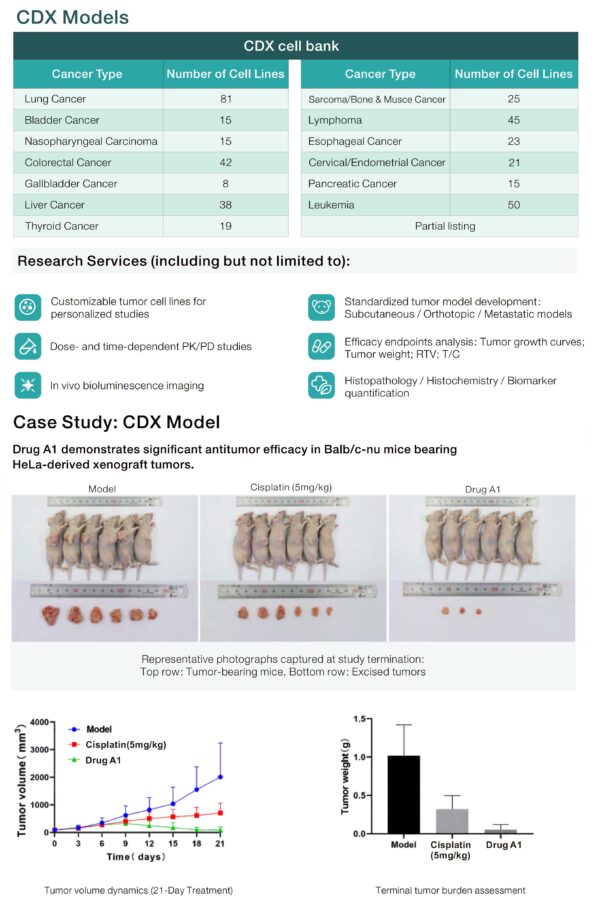
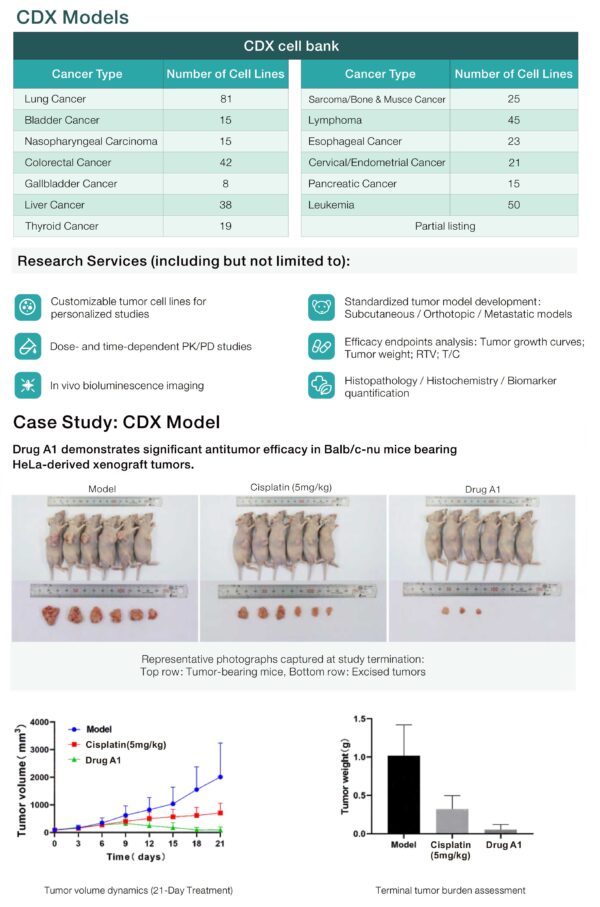
Unreliable carbon tetrachloride (CCl4) liver fibrosis models have become a recurrent bottleneck in preclinical programs, and the consequence is simple: extended timelines and wasted cohorts. Research teams in Taipei and other centers report frequent variance in fibrosis staging and drug response, which complicates go/no-go decisions. Early adoption of a validated cdx model or integrating standards such as matched control arms from well-characterized cdx models mouse can reduce this variability and shorten the iterative testing cycles.
Why the problem matters for timelines
Regulatory submissions and phase transitions depend on reproducible efficacy signals. When fibrosis induction with CCl4 yields inconsistent histopathology or variable biomarker kinetics, pharmacokinetics and dose-finding studies must repeat. The result: months added, animal cohorts increased, and compound portfolios deprioritized. A single failed translational readout often ripples across multiple candidates, delaying portfolio decisions and increasing budgetary pressure.
Where the uncertainty originates
Sources of inconsistency are often operational rather than conceptual. Variations in CCl4 preparation, dosing schedule, animal husbandry, and fibrosis scoring practices all affect outcomes. In vivo endpoints—collagen deposition, ALT/AST trends, and portal fibrosis—depend on precise execution. Labs that do not standardize histopathology protocols or use centralized readouts see the widest spread in result sets—so standardization is not optional, it is necessary.
Alternatives and practical fixes
Several strategies reduce timeline drag. First, pilot runs with sentinel cohorts help calibrate induction and detect batch effects early. Second, pair CCl4 studies with orthogonal readouts: quantitative image analysis, serum biomarkers, and functional assays. Third, consider complementary models—such as diet-induced fibrosis or chemically augmented xenograft systems—when mechanism-of-action requires tumor–stroma interactions. These steps lower the chance of wholesale repetition of studies.
Operational production teardown: what to inspect
When I review a preclinical plan from a front-end perspective, I look for tight specs and rehearsal steps. Key points: reagent sourcing (lot traceability), dosing devices calibrated to manufacturer tolerances, and blinded histopathology reads with inter-rater reliability metrics. This is where {main_keyword} and {variation_keyword} should appear in protocols as explicit checkpoints, not placeholders. Include acceptance windows for fibrosis scores, predefined criteria for cohort expansion, and scheduled interim analyses.
Common mistakes teams make—and how to avoid them
Teams often skip crucial validation steps to save time; the apparent gain is illusory. Typical errors: single-center scoring, relying on a single biomarker, and poor randomization. A modest investment in cross-site reproducibility testing and an external pathologist review avoids repeating full studies. Also allocate time for pharmacokinetics bridging between in vitro potency and in vivo exposure—this alignment prevents dose-selection failures later.
Case anchor and credibility
Public health data and clinic pressures give this topic urgency: the World Health Organization lists chronic liver disease among leading causes of mortality worldwide, which translates to active translational programs across Asia and Europe. Practical experience from academic labs in Taipei shows that when labs adopt centralized staining protocols and shared scoring rubrics, variability drops measurably and go/no-go decisions accelerate. This real-world anchor reinforces that methodical preclinical design pays off.

Summary and recommended evaluation metrics
Shorter timelines come from rigor, not shortcuts. To select the right strategies, use three critical evaluation metrics: 1) reproducibility index—percent agreement across blinded histopathology reads; 2) biomarker concordance—correlation between serum markers and histology-grade fibrosis; 3) operational throughput—number of validated cohorts per quarter without repeat studies. These metrics let project leads compare vendors and make objective choices that reduce calendar risk.
Final thought: teams that pair disciplined protocols with validated model providers see the clearest path to decision points, and that practical value is precisely what collaborators such as Jennio Biotech bring to study design—trusted tools, reproducible endpoints, and fewer wasted months. –

