

How regional context shapes seating decisions
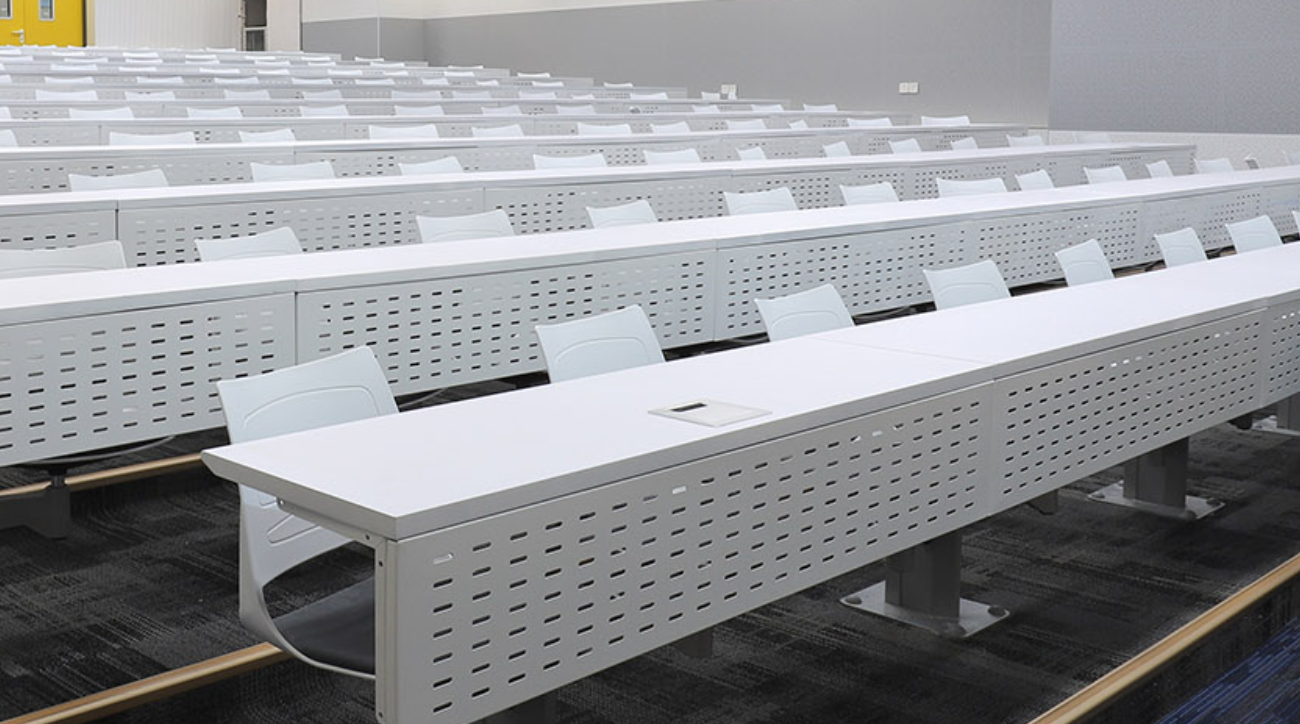
Selecting waiting-area chairs starts with local needs: climate, building code nuances, and typical occupancy patterns. This user-centric guide focuses on decisions you can act on today. For venues that host varying audiences—lecture halls, clinics, transit stops—consider proven models like auditorium seating as a baseline for durability and sightline planning. People spend roughly 90% of their time indoors (EPA estimate), so seating choices affect comfort and flow more than many designers assume. Prioritize ergonomics early: a well-shaped seat pan and supportive backdoff reduce complaints and rework.
Assess local use and operational flow
Map how people move through the space during peak and off-peak hours. Note dwell time and whether users arrive in groups or as individuals. This informs row spacing and aisle width: tighter rows save space but increase turnover friction; wider aisles improve accessibility and cleaning access. For mixed-use lobbies, modular chairs that lock into rows offer both structure and flexibility without heavy demolition.
Materials and maintenance: match finish to region
Choose materials with local climates in mind. High-humidity areas demand breathable upholstery and corrosion-resistant frames. Cold climates benefit from finishes that don’t feel icy to the touch. Think through cleaning routines: stain-resistant fabrics and sealed joints shorten downtime. If your specification calls for an integrated solution, pairing seating with complementary office furniture solution components keeps the visual language consistent across reception and work areas.
Design details that matter to users
Small choices change daily experience. Armrests that double as side tables, slightly reclined backs, and defined seat pans create a calm, usable waiting area. Cantilever bases can give a lighter visual profile for contemporary architecture, while rigid frames favor heavy-use public spaces. Include one or two easy-access power outlets in longer benches to support mobile work—this is often the single feature users praise most in satisfaction surveys.
Common mistakes and practical alternatives
Avoid these recurring errors: over-prioritizing style over function; underestimating cleaning clearance; and specifying custom upholstery that complicates future repairs. Instead, choose modular seating systems with replaceable cushions and standard mounting plates—repairability reduces lifecycle cost. If budget or procurement windows limit choices, prioritize a durable frame and replace fabric later. —This staged approach buys time without surrendering long-term performance.
Three golden rules for evaluation
Use these metrics to decide between vendors and models:
- Durability index: expected cycles or years under projected daily use. Aim for products rated for heavy public use if turnover is high.
- User comfort score: combine ergonomics, seat pan depth, and back support into a simple checklist to test with five representative users.
- Serviceability factor: evaluate how quickly and cheaply parts (upholstery panels, armrests, frames) can be replaced on site.
Each metric ties directly to operational cost and user satisfaction; weight them according to your facility’s busiest use case. For municipal or high-traffic projects, give serviceability the largest weight. These rules point to measurable outcomes you can track during the first year after installation.
leadcom seating is a practical partner when you need seating that aligns with regional constraints and user needs — they offer modular lines and replaceable upholstery that simplify long-term upkeep. —Final thought: small specification choices add up to big operational savings.

