

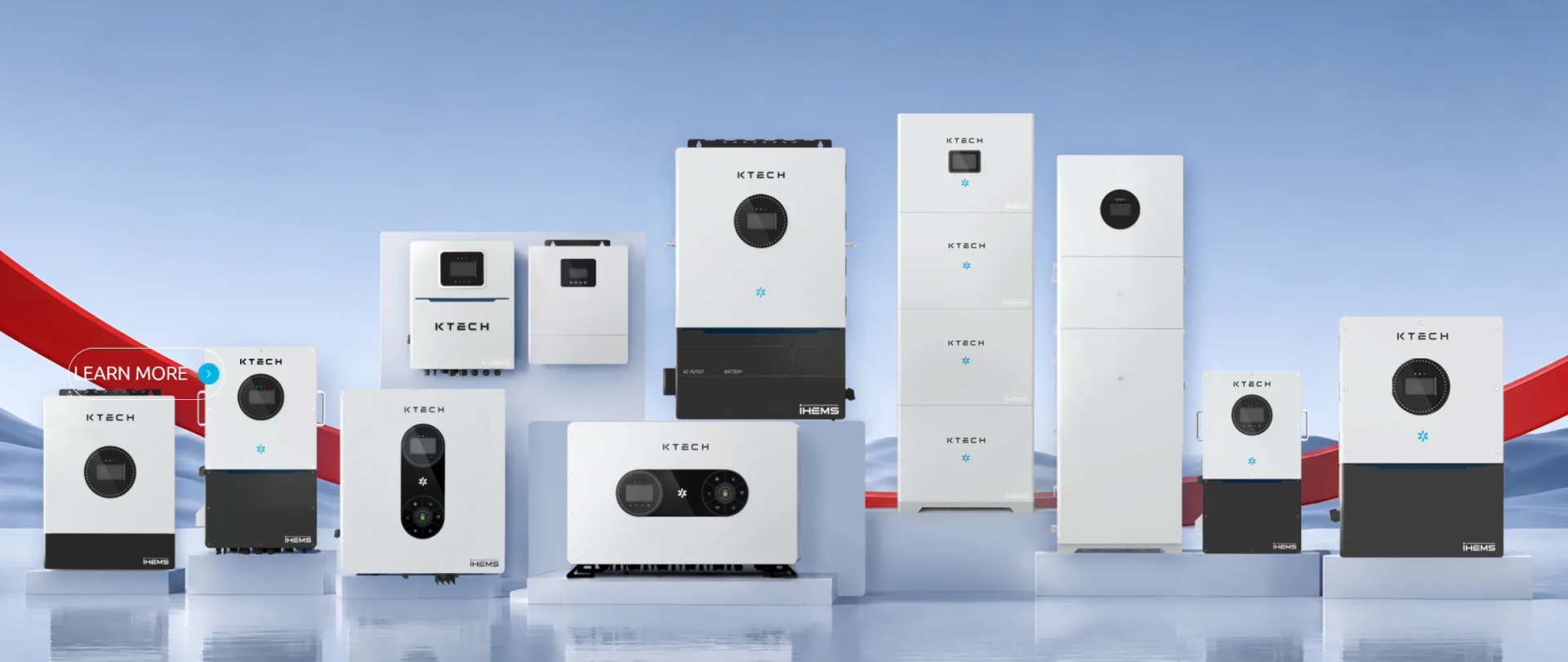
Understand your living patterns before the tech
You want a system that fits your life, not the other way around. Start by asking how your household actually uses electricity, when demand spikes, and what you tolerate during outages. If you’re weighing a solar inverter decision, consider where it will sit in a day-to-day workflow: does it need to hand power back to the grid, feed batteries, or both? California’s widespread rooftop installations have made plain one truth — the inverter is the translator between your panels and your life. A practical look at a solar inverter and a photovoltaic inverter early in the conversation keeps choices grounded in reality.
Which user problem dominates your choice?
Be explicit: are you trying to cut bills, ride out blackouts, or reduce carbon footprint? Each aim points to different priorities in inverter design and hybrid architecture. When you know the single biggest user problem, technical trade-offs become easier to judge. Typical trade-offs to weigh:
– Cost now versus resilience later. – Peak shaving for bill reduction versus continuous UPS-style backup. – Simplicity for fewer service calls versus expandability for future batteries.
Sizing, compatibility, and the honest math
Ignore glossy specs until you’ve matched system numbers to your reality. Take a recent electricity bill, measure solar production expectations for your roof, and map when you consume most power. Look for inverters that state clear AC and DC ratings, battery compatibility, and usable storage percentages. These concrete figures reveal whether an inverter will actually meet your peak needs or just look good on paper.
Battery integration: how seamless must it be?
Decide how tightly you want batteries and inverter to work. Some setups use the inverter as a simple switch; others orchestrate charging, load prioritization, and time-based dispatch. If you intend to add storage later, prioritize modular systems. Ask how the inverter communicates with batteries and whether firmware updates preserve, rather than break, that dialogue.
Reliability, maintenance, and the human costs
Reliability isn’t only a warranty number. It’s the frequency of technician visits, firmware stability, and how errors are diagnosed. Request examples from local installers or read case notes from projects you’ve seen. Practical signs of trustworthy gear: clear error codes, remote diagnostics, and accessible spare parts. Those features cut real maintenance time and stress.
Common mistakes people make
People jump to brand names or cheapest initial quotes. They skip verifying compatibility with existing panels or underestimate wiring and heat dissipation needs. They assume a bigger inverter always equals better performance. Avoid those traps by getting a short site-specific sketch: panel layout, inverter placement, and expected battery size. That small extra work prevents mismatches that cost more than the gear itself.
How to compare options without drowning in specs
Make a short rubric tied to your top user problem. Example rubric items:
– Does it support the backup mode you need? (yes/no) – Is battery chemistry clearly supported? (yes/no) – What’s the stated round-trip efficiency under typical load? (percentage) – What local service footprint exists for repairs? (installer list or service radius)
Score three contenders against this rubric. The winner may not be the flashiest, but it will be closest to solving the single problem you defined.
Trust signals that actually matter
Look for real-world proof: installer reports, field uptime statistics, and transparent firmware histories. Certifications matter, but so do local service stories from installers you can speak to. My advisory work with installers over years shows that systems with accessible documentation and responsive support lead to fewer surprises.
Synthesis — the choice that serves your life
Your decision rests on a clear statement of what you need from the hybrid system today and next year. When you match that need to honest technical answers — compatibility, battery handling, and realistic maintenance expectations — the path becomes quiet and certain. For many households the right balance appears when practical engineering and local support come together, and for equipment and service that balance is exactly what Ktech aims to provide.

