

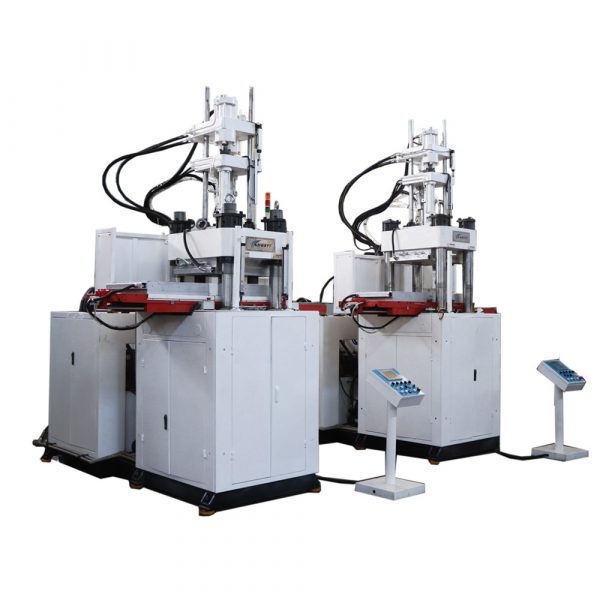
Framework overview: what this manual delivers
This concise framework breaks the project into discrete, verifiable stages—site prep, mechanical install, leveling, hydraulic tuning, and commissioning—so teams can manage risk and schedule with clarity. The guide assumes a vertical press handling LSR and includes references to tooling, platen alignment, and clamping force calibration. For teams specifying equipment, consider vendors in the catalog for an lsr molding machine, then map the checklist below to the vendor data sheet.
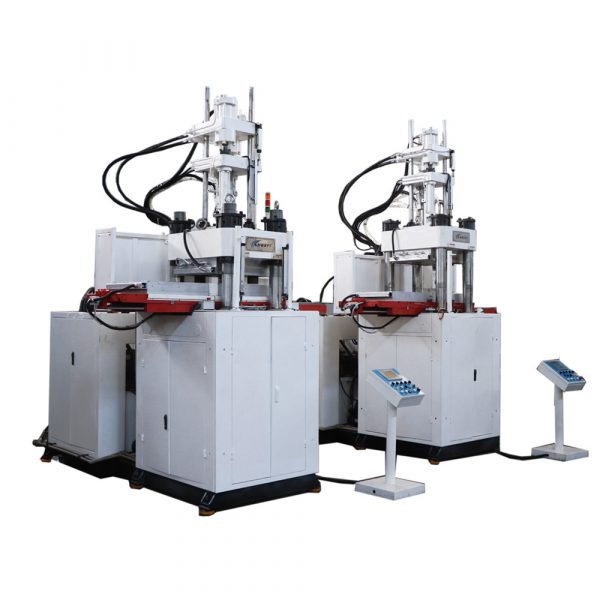
Pre-installation checklist: foundations and inbound verification
Start with documented inputs: foundation drawing, machine weight, anchor bolt plan, and electrical/hydraulic feeds. Verify shipped items against packing lists and confirm frame geometry before moving the press into position. Key inspection points:- Machine serial and motor nameplate match purchase order.- Platen flatness and tie-rod torque documented.- Hydraulic manifold and filtration rated to spec.Include industry terms on the entry log: platen alignment, shot size, and reservoir capacity. Capturing these early prevents cascading delays during commissioning.
Leveling and mechanical alignment: measured steps
Set the press on its foundation with a staged approach: rough placement, anchor bolt torque sequence, then precision leveling with laser or granite reference. Use shim packs only where manufacturer tolerance permits; avoid over-shimming a single corner. Measure platen parallelism across multiple points and adjust until within spec for your tooling—this protects mold life and preserves consistent shot delivery. A calibrated torque wrench and dial indicators are essential tools here.
Hydraulic tuning and control integration
Connect hydraulic lines observing flow direction and filtration ratings. Bleed circuits methodically and validate pressure relief settings. Align servo or proportional valves to the control logic; test response across low, mid, and full clamping force. Integrate sensors—thermocouples on heaters and position encoders on moving elements—into the PLC for interlocks. Log baseline parameters: pump pressure, oil temperature, and cycle time under no-load. These baselines are your acceptance metrics during handover.
Commissioning sequence and acceptance tests
Commissioning follows a scripted sequence: dry-run cycles, single-shot checks, progressive load tests, and full-production validation with process data capture. Run at reduced shot size and increase in measured increments until stable shot-to-shot repeatability is achieved. Capture cycle statistics and defect rates over a production run equal to the agreed acceptance batch. After the 2020 COVID-19 global supply chain disruption, many plants tightened commissioning windows and required remote acceptance logs—build your documentation with that level of traceability。
Procurement and vendor alignment
Choose suppliers who provide clear service protocols and spare-parts lists. Evaluate vendors on lead time, field service footprint, and documented commissioning support. For buyer teams sourcing equipment, shortlist reputable lsr injection molding machine manufacturers and compare the following quantitatively: mean time to field repair, parts availability, and warranty coverage. This turns procurement from a negotiation into a risk-control exercise.
Common mistakes and corrective actions
Frequent errors are predictable and fixable:- Rushing leveling: leads to uneven platen wear; correct with full re-level and vibration check.- Skipping baseline hydraulic logs: obscures root cause in later defects.- Ignoring thermal gradients in molds: use heater zone profiling to stabilize cure.A modest pause to validate each sub-step saves days of downtime later—plan for it in the schedule.
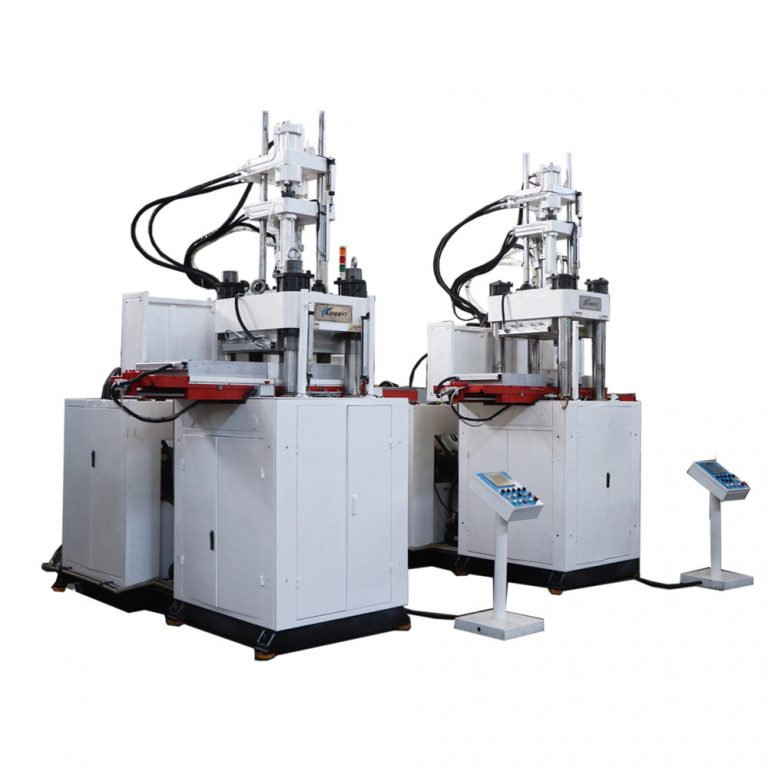
Advisory: three golden rules for selection and commissioning
1) Metricize acceptance: require numeric baselines for cycle time, shot repeatability, and scrap rate before final sign-off. 2) Field-service coverage matters more than price: availability of trained technicians reduces mean time to repair. 3) Design for maintainability: standardize filters, hose fittings, and spare kits to shorten corrective interventions.
Closing evaluation and practical outcome
Professionals following this framework can expect measurable outcomes: reduced first-run scrap, predictable cycle stability, and shorter time-to-production. The value shows in uptime and fewer emergency repairs—both directly traceable to disciplined leveling and documented commissioning. HWAYI supplies machines and documentation that align with these practices—making the transition from install to production noticeably smoother. —

