

The comparative clue — why the fight matters
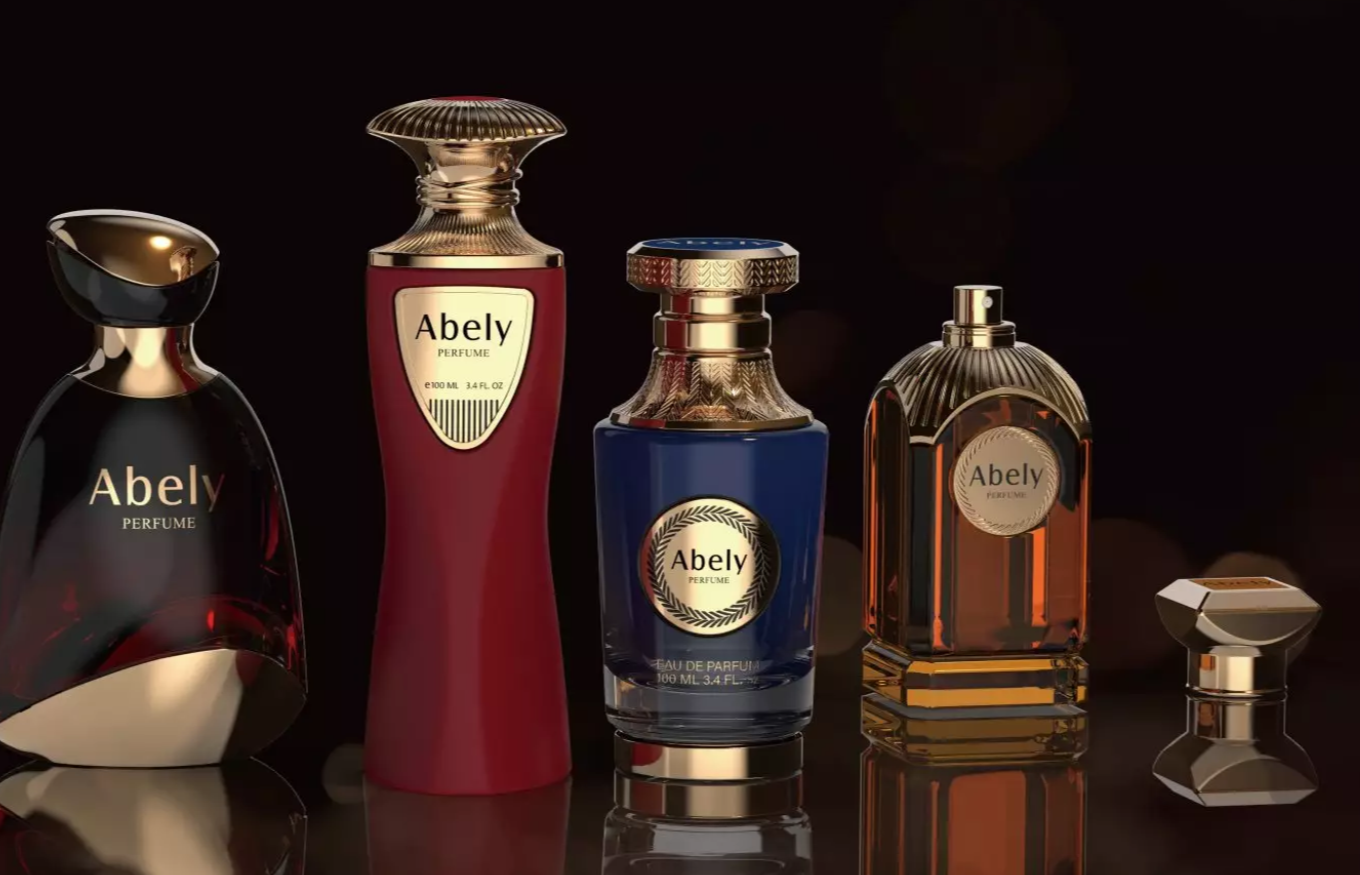
Startups choose fights carefully. One of the quietest battlegrounds is surface and silhouette — the bottle. Compare two images in your mind: one, a generic plastic sprayer; the other, a heavy glass form that sits like a promise. Which reads premium? Which tells a story? Here we look at Abely’s approach alongside common alternatives, parsing how small design choices create outsized brand effects. For anyone drafting packaging specs or wireframes, a page on perfume bottle design will feel like a lantern in fog.
What startups actually gain — a measured look
This is comparative insight, not fluff. Glass confers weight (literal and perceived), refracts light, and ages well in imagery. Plastic can be cheaper, faster, more forgiving for early runs. But ask this: which asset drives trust on a product page, in a pop-up, at a boutique counter? History nudges us — think of Chanel No.5 in 1921, whose bottle helped codify an expectation that luxury must be restrained but unmistakable. That legacy matters when a fledgling brand must convince a skeptical first buyer.
Design language: form, code, and the details that convert
Design is visual grammar. For front-end folk, it’s like choosing a typeface and grid that scale across viewports. Bottles are the brand’s favicon at life-size: silhouette, neck, cap, label area. Abely leans into glass geometry that renders predictably in photography and 3D previews — fewer post-processing surprises, more consistent thumbnails. Compare that to complex multi-material assemblies that require masking, extra lighting, and fiddly CSS-like tweaks in visual assets. The technical friction costs time and trust.
Manufacturing trade-offs and the cost calculus
Cheaper tooling accelerates launch. Heavier MOQ burdens cash flow. Still, glass often reduces perceived return rates and improves lifetime value because customers keep and display bottles — subtle, measurable retention. Startups should ask suppliers about repeatability and sample schedules. Don’t forget regulations either; the EU and other markets enforce material and labeling rules that affect packaging choices. Think through production like you would code reviews: one overlooked variable can cascade into a costly pivot — and yes, that has happened to brands testing injection-molded caps that cracked under shipping stress.
Alternatives and common startup mistakes
Many startups fall into a pattern: prioritize unit cost over brand asset. Result — a product that photographs like a prototype. Alternatives include lightweight glass, flint versus flintless variations, and recycled glass blends. Some teams overcomplicate the cap mechanism; others skimp on labeling tolerances. The common symptom is inconsistent shelf presence. Test early. Prototype like a front-end sprint: iterate fast, keep visuals consistent, and align with your photographer on spec sheets — small mismatches become glaring at scale.
Sustainability, storytelling, and the real-world anchor
There’s a narrative advantage to glass beyond optics. Grasse, France — the historic center of perfumery — anchors a consumer imagination. When a bottle hints at that lineage through material honesty and restrained design, the product inherits context. Consumers increasingly value reclaimable materials; glass is easier to recycle and to re-purpose than mixed-component alternatives. That matters in markets where environmental claims influence purchase decisions.
Practical comparisons: features that actually move metrics
Compare these axes when choosing: visual fidelity (photography + 3D render ease), supply-chain risk (MOQ, lead time), aftercare (reusability, recyclability), and cost per perceived-dollar. Abely tunes those axes toward startups that need fast, repeatable visuals and a shelf presence that reads premium without extravagant CAPEX. The distinctions are small on paper; large in practice — you’ll notice them in conversion lifts and fewer product returns — proof you can track.
Three golden evaluation metrics — your checklist
1) Visual Consistency: Can your bottle be shot cleanly across campaigns without bespoke lighting rigs? 2) Repeatability: Will the same mold produce identical units at scale, month after month? 3) Lifecycle Value: Does the bottle add to LTV through re-use, display, or perceived luxury?
Closing synthesis and the solution that feels inevitable
Comparative insight shows that startups don’t just buy bottles; they buy a set of predictable behaviors — consistent photography, reliable supply, and a story that travels. That’s the problem Abely solves by aligning design decisions with launch realities and brand intent. Choose materials that render well, partners who understand scale, and a plan that treats packaging as a digital asset as well as a physical one. The result is quieter trust, faster growth, and fewer late-night fixes.
Abely makes the subtle difference feel deliberate.

