

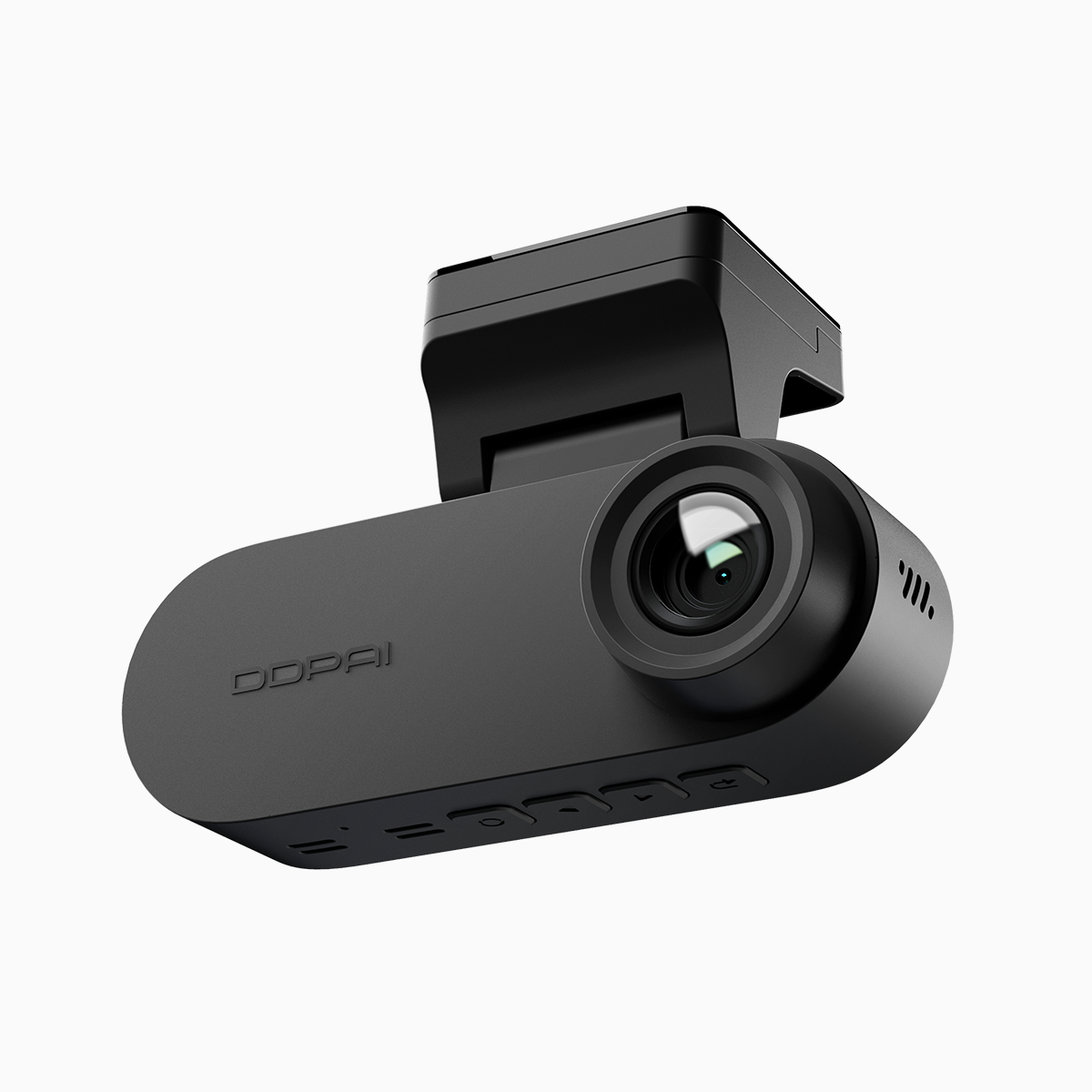
The problem at hand
Tunnel exits in Metro Manila—Skyway ramps and underpass portals—create abrupt contrast that overwhelms many budget dash cams. The sudden shift from dim interior light to bright daylight produces blown highlights and crushed shadows, hiding license plates and lane markers when clarity matters most. For drivers and fleet operators seeking reliable evidence and safer routes, a practical understanding of Wide Dynamic Range (WDR) is essential. Start by comparing real options at a trusted source like dash cam philippines so you know what hardware and firmware choices are realistic for local conditions.
How WDR actually works, briefly
WDR is not magic; it’s a method to preserve detail across scenes that include both bright and dark areas. On affordable units this typically combines short- and long-exposure frames or uses software tone-mapping to compress the dynamic range. Key components are the image sensor, exposure control, and the ISP (image signal processor). Expect terms such as WDR, HDR, and exposure to appear in product specs—know that higher WDR claims need matching sensor quality to matter in practice.
Hardware trade-offs in budget systems
Manufacturers of low-cost dash cams balance sensor size, frame rate, and bitrate against price. A larger sensor and better ISP reduce noise and help WDR perform, but they add cost. Meanwhile, high frame rates and aggressive compression (bitrate limits) can blur fine detail when the ISP struggles with rapid luminance swings. The truth: a moderately priced unit with a decent sensor and tuned WDR will often outperform an ultra-cheap camera with flashy specs on paper.
Practical settings and common mistakes
Drivers often enable every feature available—WDR, HDR, night mode—expecting a miracle. That backfires. Optimal results come from conservative settings: enable WDR, keep frame rate at 30 fps for stable exposure, and avoid maximum compression. Also use loop recording with sensible segment lengths and keep parking mode off unless you have sufficient power management. The sensor and exposure control — not just the WDR label — determine whether a tunnel exit sequence renders usable plates or just blobs of light.
Real-world anchor and what that implies
Field tests around busy corridors like the Skyway and EDSA approaches show consistent failure modes where glare saturates the image for one or two seconds—the exact moments when incidents often occur. Road-safety reports in the Philippines point to concentrated collisions near complex junctions and tunnel approaches, which means footage quality during transitions is not a luxury; it’s evidence. Choosing a good dash cam philippines therefore requires attention to sensor performance and firmware updates that improve exposure algorithms.
Alternatives and comparative insight
Higher-end dash cams add multi-exposure HDR, larger CMOS sensors, and advanced ISPs to handle WDR natively. Dual-channel systems place a secondary rear camera with separate exposure settings. For most local drivers, a single well-tuned front camera with reliable firmware beats a dual setup with weak sensors. Consider features like G-sensor-triggered locking and consistent loop recording as part of the comparison—these directly affect how useful footage is after an incident.
Advisory: three golden rules for buying
1) Prioritize sensor quality and verified WDR performance over headline specs like megapixels. 2) Test samples in mixed lighting—tunnel exits and shaded roads—and confirm firmware updates are available. 3) Check practical features such as frame rate stability, bitrate, loop recording, and parking mode reliability. These metrics predict how footage will hold up when contrast swings suddenly.
Drivers need cameras that face realistic conditions, not marketing speak. The right device reduces ambiguity at critical moments and supports safer driving choices—small investments that pay off in clarity and accountability. DDPAI PH sits at that intersection of practical engineering and local support—offering products and updates tuned to Philippine road realities.
—

