

Why property managers are paying attention
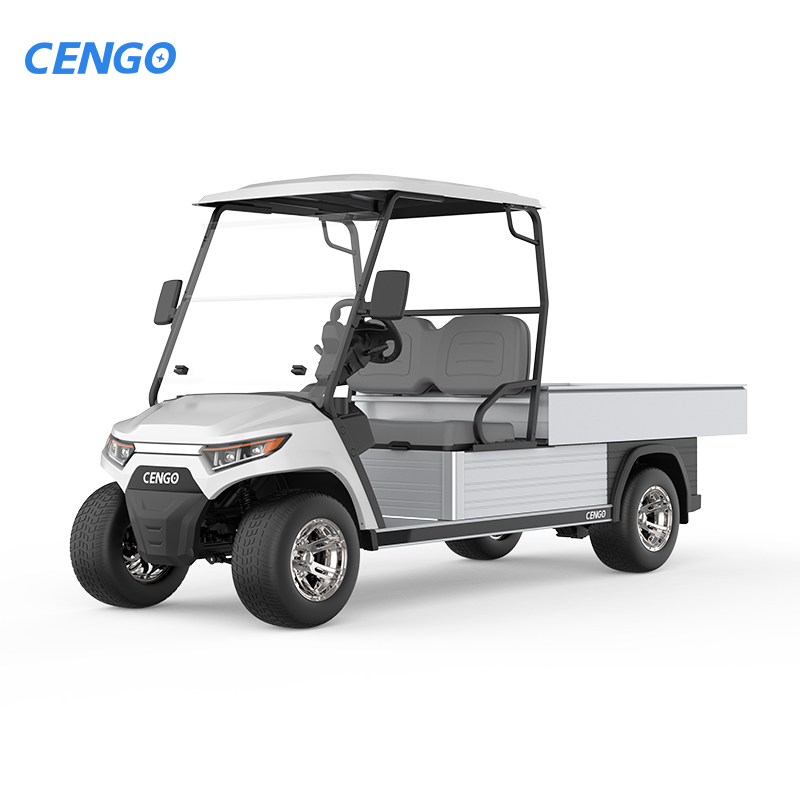
Property managers want tools that save time, cut costs, and make daily rounds less of a hassle — and Chinese-made utility EVs are slipping into that role fast. Folks in the field are buying from farm utility vehicle manufacturers because those units tend to balance price, parts availability, and sensible specs for campus work. The result: fewer late-night service calls, predictable maintenance runs, and crews that actually look forward to using their rigs.
User needs first: where these vehicles actually help
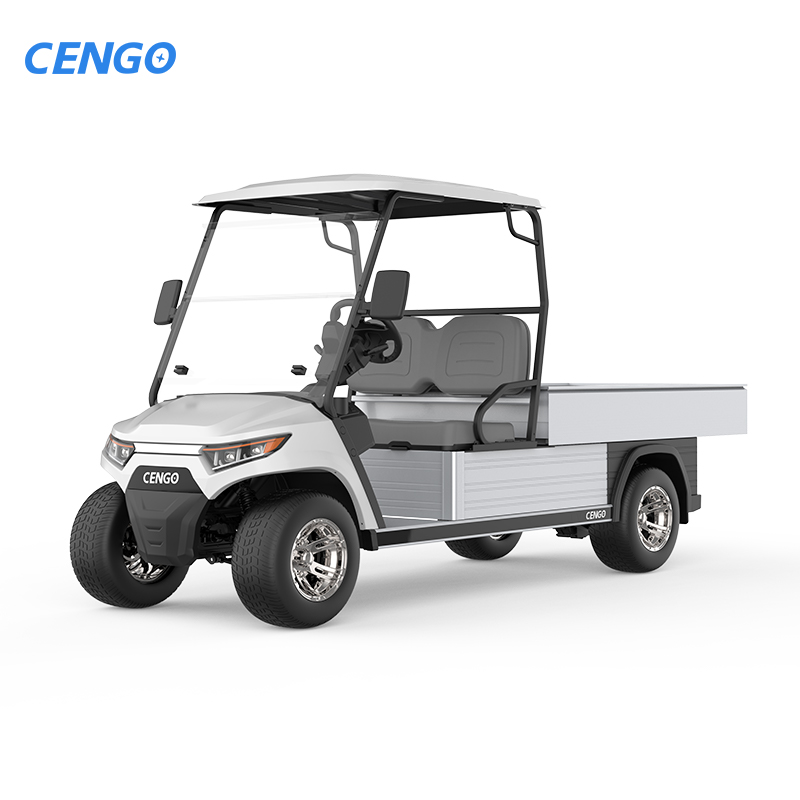
Think routine: trash runs, landscape deliveries, HVAC filter swaps, and short-haul freight across sprawling properties. Chinese electric utility vehicles offer useful payload capacity and modular cargo bed options that match those chores without the overhead of a full-sized truck. For managers used to juggling schedules and contractors, a small fleet of these EVs can cut trip time and free up staff for higher-value fixes.
Real-world anchor: manufacturing scale and supply comfort
China leads the world in light electric vehicle production, and hubs in Guangdong and Shenzhen have built robust supply chains that matter to buyers. That industrial muscle translates into steady parts supply and quicker lead times — something property teams notice when a brushless motor or lithium-ion battery needs swapping. The International Energy Agency documents China’s dominant role in EV manufacturing, which helps explain why replacement components and compatible chargers are widely available.
Specs that actually affect daily ops
For on-site work, a few concrete numbers matter more than marketing: payload capacity (how much gear a cargo bed will safely carry), range per charge for a full shift, and the ease of swapping batteries or maintaining the chassis. Pick vehicles with accessible service panels and standard connectors, and you’ll dodge a lot of small headaches. Keep an eye on simple diagnostics — a decent controller readout goes further than a fancy dash when you’re two buildings away and the cart won’t start.
Common mistakes and practical alternatives
Property teams often fall into two traps: buying the cheapest unit without service support, or overbuying heavyweight models meant for industrial yards. Both cost money over time. A better approach pairs a medium-duty utility EV with a few gasoline backups for heavy lifts, or ramps up to a compact truck only where payload demands are constant. Also consider fleet telematics — not for surveillance, but to map routes and sort battery rotation. — It’s a small investment that pays off quick when you stop guessing who needs a charge.
How to choose: features that actually matter to users
Look for these traits in a practical order: 1) usable cargo bed layout that fits your common loads; 2) reliable lithium-ion packs with clear warranty terms; 3) local service network or parts stocking. Those three cut downtime and keep crews moving. For many properties, a farm golf cart works fine for light loads and guest transport; for others, you need a full-flown utility model with dedicated tool mounts and higher payload.
Advisory: three golden rules for evaluation
1) Measure duty cycle, not top speed — record typical daily miles and stop-start frequency, then choose range and battery chemistry accordingly. 2) Verify parts and tech support within a 100-mile radius — warranties mean little if parts take weeks to arrive. 3) Prioritize modularity: interchangeable batteries, removable cargo modules, and standardized connectors simplify upgrades and lower long-term costs.
Final thought and how CENGO fits
These vehicles won’t fix every staffing or scheduling headache, but they give property teams a predictable, lower-cost option that scales with needs — and that predictability is where real savings show. For reliable, adaptable options that match those criteria, folks often find value in what CENGO brings to the table — practical rigs, sensible specs, and a parts approach that suits day-to-day work. Practical, dependable, and built for the job — that’s the formula.
—

