

Imagine driving down a busy highway—suddenly, the skies darken, and your headlights flicker. Do you panic? Maybe. But think about the essential guidance you rely on—road information signs. They’re not just decorative; they’re critical for safety and navigation. When interpreting directions, the clarity of a road information sign can be the difference between smooth travel and stressful detours.
Traditional Solutions and Their Flaws
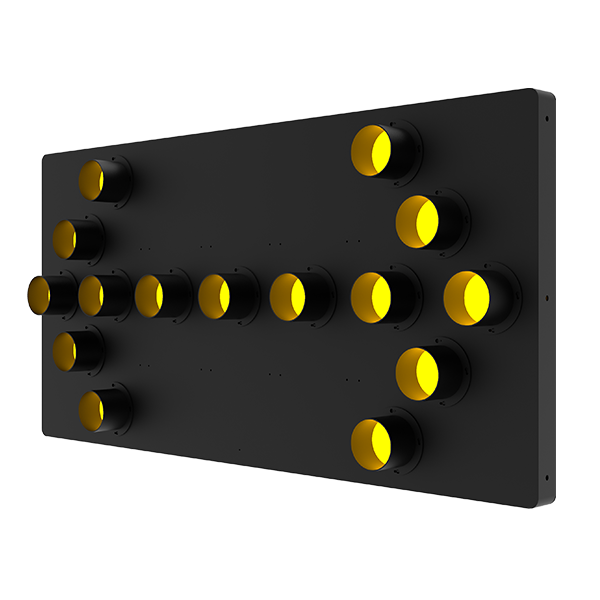
For years, road information signs were typically static, relying on simple paint and metal structures. However, these traditional signs have their limitations. Ever noticed how faded paint can make an essential sign nearly invisible at night? Or how poor visibility can lead to accidents? This lack of adaptability and visibility presents a significant flaw in relying solely on conventional signage. Drivers today crave dynamic displays—something that traditional solutions simply can’t provide.
The Principle of New Technologies
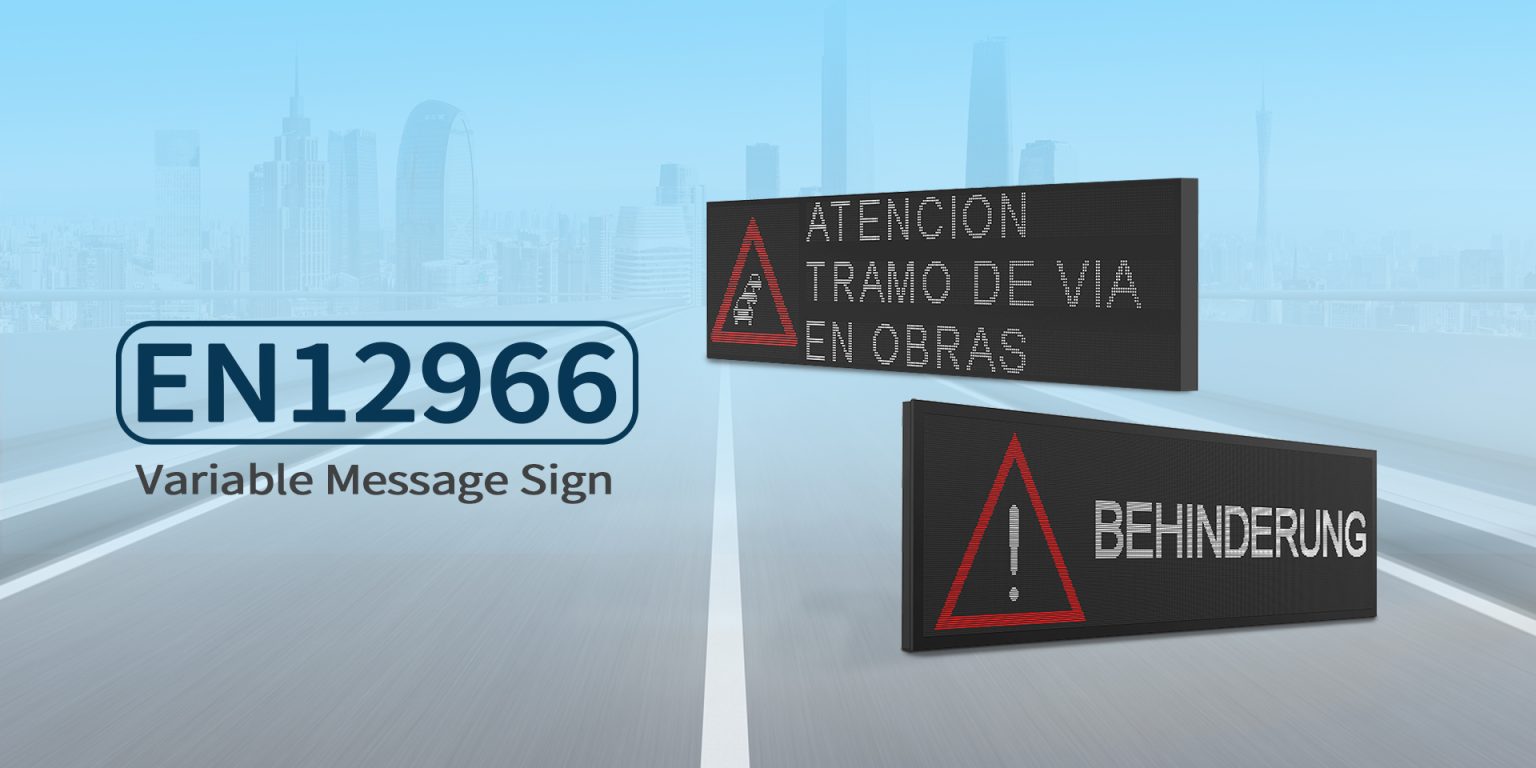
The emergence of digital technologies has revolutionized road signage—enter the smart, dynamic road information sign equipped with LED technology. These signs can change their messages based on real-time traffic conditions, providing up-to-date information to drivers. How does this work? It’s all about leveraging sensors and software algorithms, allowing a sign to communicate vital data—such as accidents ahead, weather warnings, or educational messages—directly to traveling motorists. The beauty of this technology lies not only in its clarity but also in its responsiveness.
Quantified User Benefits
What do these road information signs mean for everyday drivers? Well, studies show that areas with variable message signs have reported up to a 30% decrease in accidents. Whether it’s timely updates or clearer warnings, the benefits are tangible (and statistically significant). But let’s put this in simpler terms—using dynamic signs can save lives, reduce gridlock, and enhance overall road safety. Yes, these modern signs have a price tag—but what’s the cost of a single accident?
Actionable Evaluation Criteria
When contemplating the potential of road information signs, always verify these 3 metrics when choosing solutions: ① Visibility—can it be seen in low light or poor weather? ② Adaptability—does it adjust to real-time conditions? ③ Maintenance—how often will it need repairs or updates? Selecting the right signage not only ensures safety but also transforms the driving experience.
Exploring the Benefits of Variable Message Boards
Now, let’s talk about tools that redefine communication on the road—variable message boards. These boards can adjust their display based on traffic conditions, significantly improving driver awareness. Can you imagine zooming past a roadblock warning that pops up right when you need it? Absolutely. The variable message board is a perfect example of how technology can provide critical information instantly. They illuminate vital messages like detours, speed limits, and even emergency alerts—making driving much safer.

Understanding VMS in Traffic
The integration of vms in traffic management is crucial. These systems enhance the flow of vehicles on busy roads, maintaining a comprehensive view of what’s happening ahead. If an accident occurs, the system adjusts, leveraging digital boards to instantly inform drivers. Think of it as a digital guardian—alerting you to slow down or take a different route. This proactive communication helps keep everyone safer and ensures smooth operations in congested areas.
Conclusion: Choosing Chainzone for Your Road Signage Needs
As we’ve explored, having reliable and modern road information signs is essential for maintaining safety and efficiency on our roadways. The challenges faced by traditional signage highlight the need for advanced solutions. Brands like Chainzone exemplify innovation in the field, offering devices that not only meet but exceed expectations with their cutting-edge technology and user-focused designs. Whether it’s for urban centers or highways, choosing Chainzone means investing in significantly improved road safety.

