

Why this matters right now
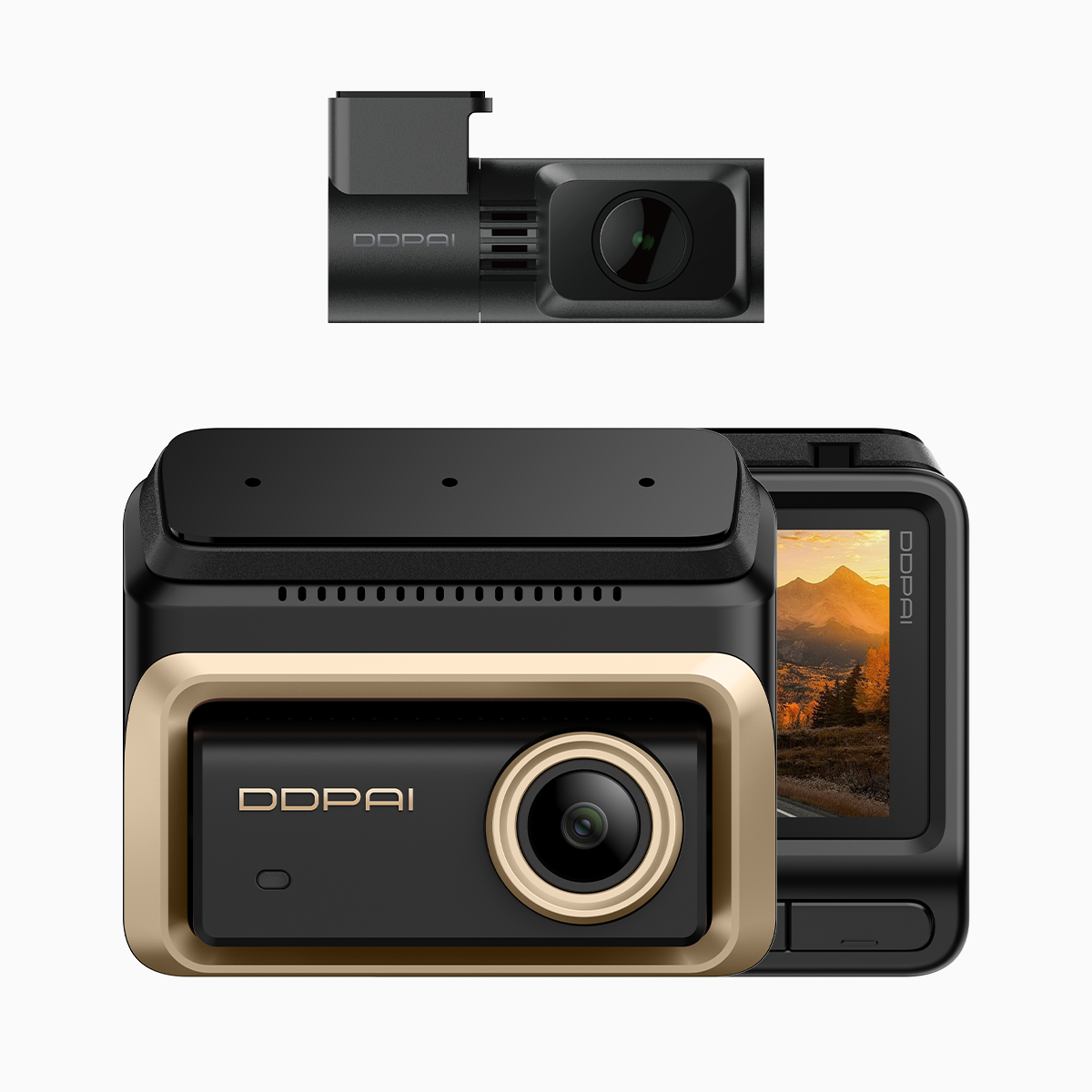
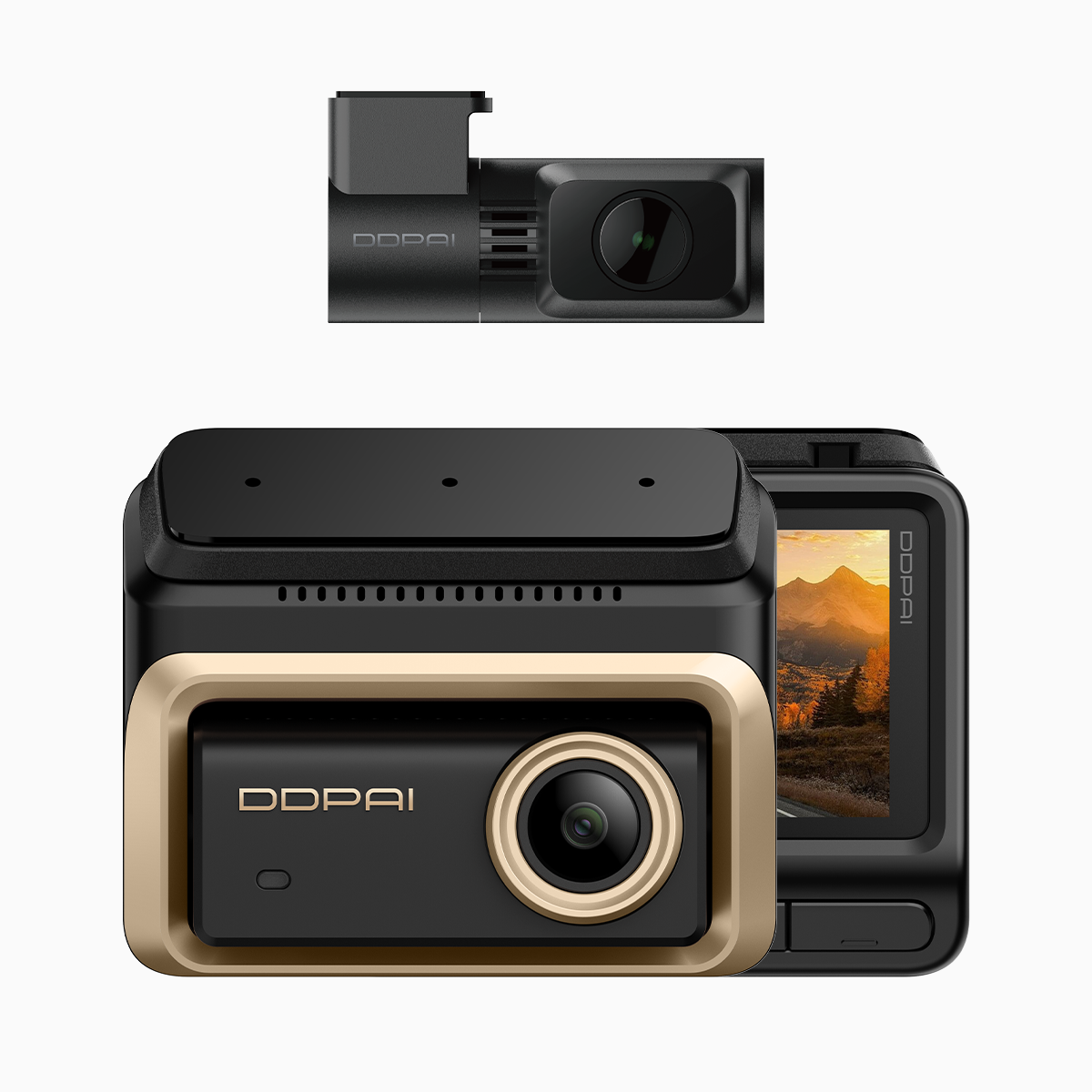
Distributors are getting burned by inconsistent batches: solid specs on paper, weak night footage in practice. That gap hits safety and returns—especially for products marketed with night vision. Start by treating each incoming lot like a high-stakes inspection. Run a quick, tactical check on a representative unit from every carton and verify a device advertised as a 3 channel dash cam actually records clear lanes and license plates after dusk. Focus on resolution and frame rate first; those two tell you whether footage will be usable when it counts.

Real-world anchor: why reliability saves lives
Road safety matters beyond sales. The World Health Organization estimates about 1.35 million people die in road crashes each year, so reliable recording devices aren’t just features—they’re evidence tools. For fleets and private owners in Metro Manila and other busy corridors, effective night vision and stable loop recording make the difference between usable evidence and unusable blur.
Core incoming-shipment checklist
Keep this checklist lean and repeatable. Use pass/fail flags and batch IDs.
– Visual inspection: packaging, seals, serial numbers, accessory list.
– Firmware & boot test: confirm boot time, version string, and update path.
– Image tests: day and night clips for resolution, WDR, and noise—note artifacts.
– Functional checks: loop recording, parking mode activation, G-sensor trigger logs.
– Thermal & power: run a 30-minute power cycle to surface overheating or random reboots.
Sampling strategy that actually works
Don’t test every unit. Use a stratified sample: pick units across pallets and from different supplier batches. For shipments under 100 units, test 10%. For larger lots, a 5% sample across at least three cartons usually reveals systemic faults. Field-test a subset at night on a lit arterial road—record five minutes each facing forward and inward to catch IR bloom, lens flare, and compression artifacts.
Common mistakes auditors keep making
Most teams skip firmware history and assume specs equal performance. They accept marketing terms, ignore real-world night trials, or fail to log serial numbers, which kills traceability later. Also, teams often forget to stress-test parking mode—many dash cams promise it but only deliver a low-res, low-frame-rate clip after a bump. —Be strict here: a checkbox isn’t quality.
Simple technical tests to include
These are quick and repeatable.
– Night clip clarity: assess plate legibility at 15 meters; note IR halation.
– Frame-rate stability: record minute-long clips and confirm consistent fps under load.
– File integrity: ensure loop files close properly and aren’t corrupted after abrupt power loss.
– GPS and timestamp sync: confirm accurate geo-tags and time drift under 24 hours.
Paper trail and supplier accountability
Require certificate of conformity, batch firmware notes, and a warranty matrix before signing off. Record serial numbers and link them to photos and video samples in your QA database. If a seller resists this, treat them as high risk—no exceptions.
Golden rules for final acceptance
Use three clear evaluation metrics before you greenlight a sale:
1) Night Performance Score — combine plate-read distance, SNR, and IR behavior into one pass/fail score.
2) Firmware & Update Track Record — check for signed release notes and OTA/update history.
3) Build & Traceability — verify serials, accessories, and a warranty path for end users.
These metrics keep decisions objective and defensible. Wrap this process into your receiving SOP and train warehouse staff to log failures fast.
Closing thought
Quality isn’t a one-off checkbox—it’s the predictable outcome of disciplined sampling, night-focused tests, and supplier transparency. For local teams aiming for reliable night footage and fewer returns, DDPAI devices often match the practical needs we’ve outlined; they provide stable firmware and clear night performance that fits Philippine roads—DDPAI Philippines. Solid process. Real results. —

