

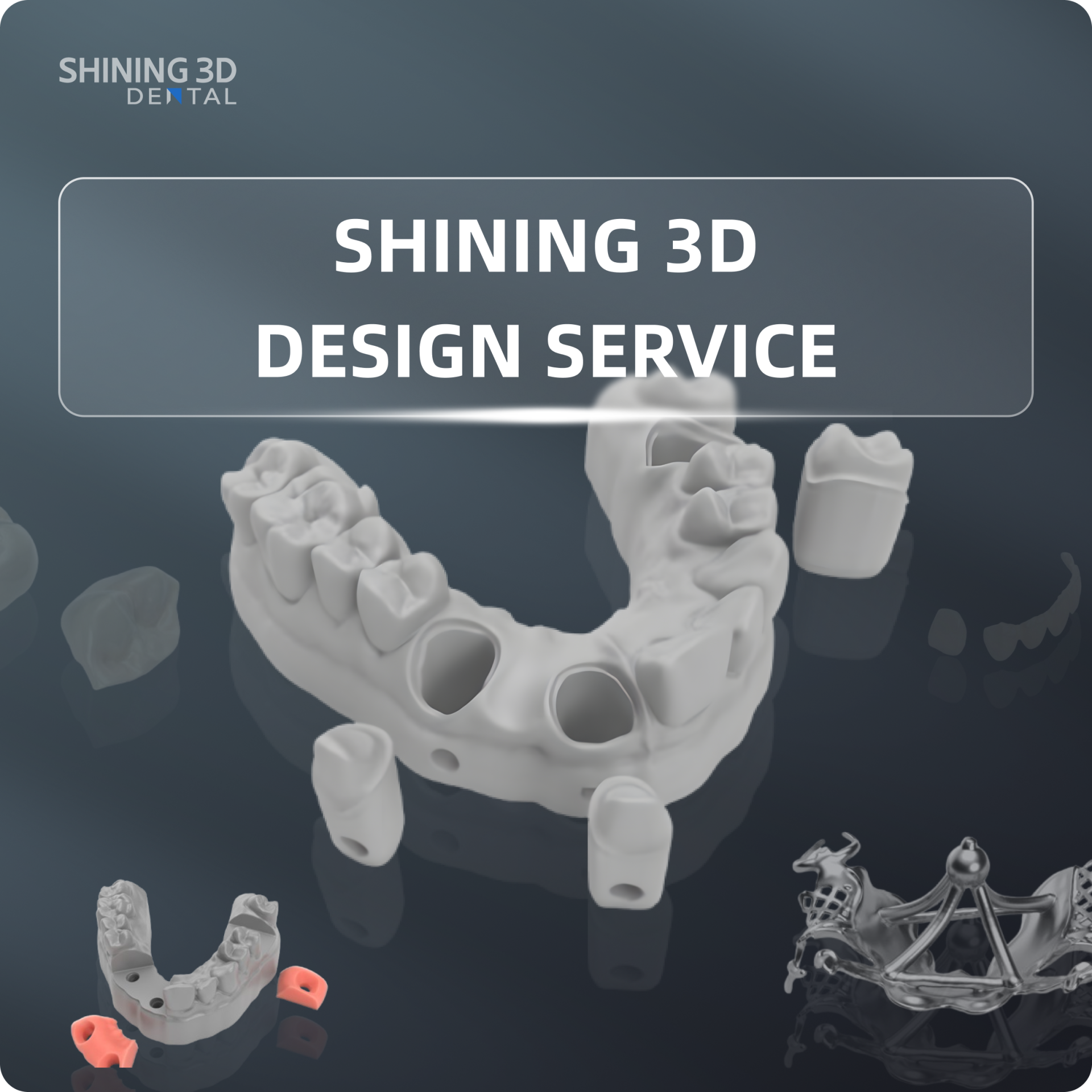
Picture this: a patient sits in a dentist’s chair, fidgeting due to the anticipation of an uncomfortable mould impression. Isn’t it time we moved away from such outdated practices? The advent of intraoral scanners in dentistry has completely transformed how dental professionals capture patient data, opening up a world of efficiency and comfort. Gone are the days of messy impressions—this innovative technology allows for precise 3D imaging of the oral cavity within minutes.

The Limitations of Traditional Solutions
While traditional mould impressions have served the dental industry for years, they are not without significant flaws. The sticky materials can provoke unease in patients—especially those with sensitive gag reflexes. Furthermore, these impressions are often susceptible to distortions if not handled properly. It’s essential to note that relying on such methods may lead to compromised accuracy, resulting in subpar treatments. Is there a better way forward? Yes, there is a clear and revolutionary shift taking place.
Principles Behind New Technology
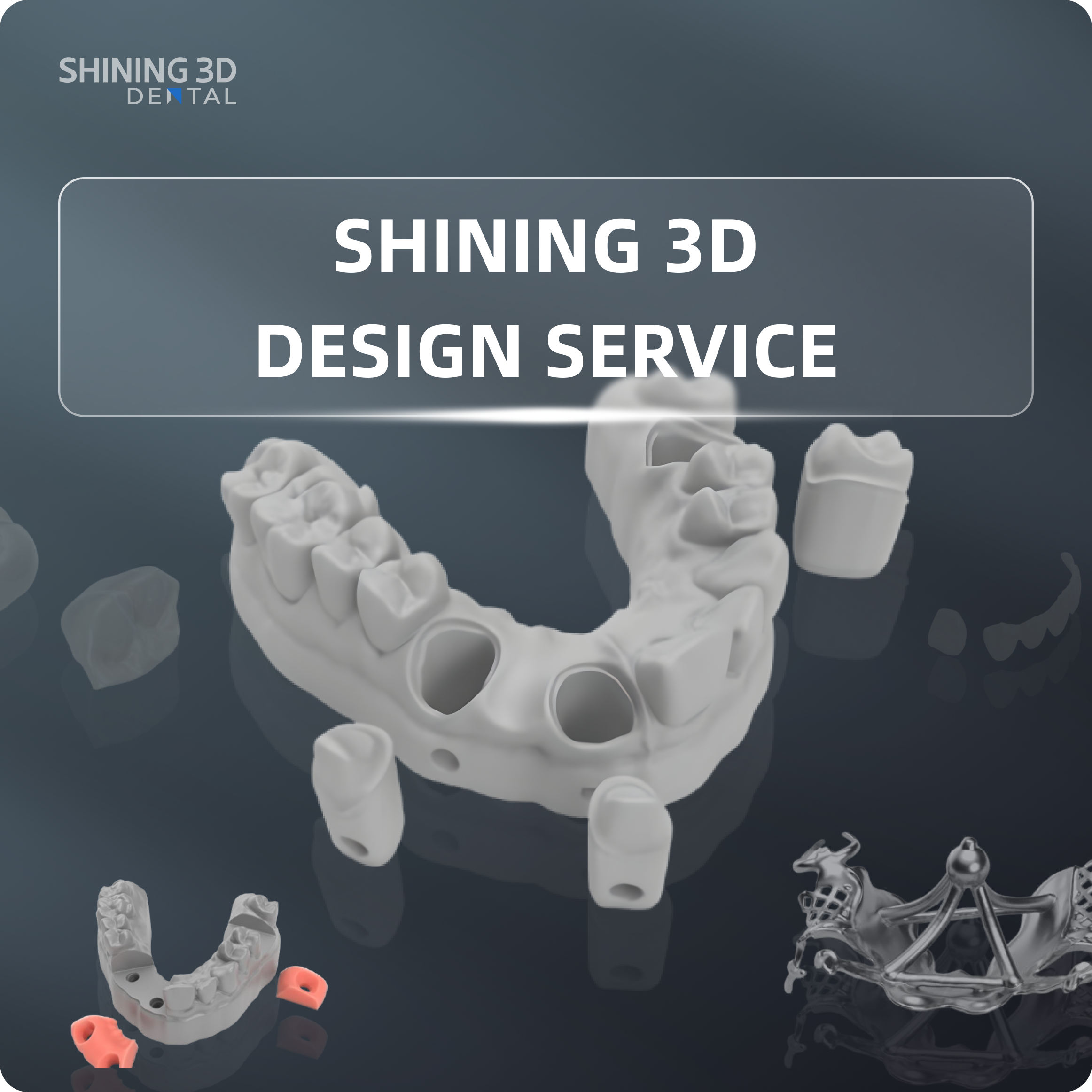
Intraoral scanners leverage advanced optical technology to capture detailed images of the mouth without the chaos of impressions. By using safe, non-invasive 3D imaging, dentists can achieve immediate results that enhance communication with patients. Look, it’s simpler than you think—this technology streamlines workflow and promotes accurate diagnostics. Many practitioners are now integrating intraoral scanners into their practices, thereby aligning with the growing demand for patient-centred care. With these scanners, dental professionals can provide treatment plans based on precise digital impressions that eliminate the guesswork often tied to traditional methods.
Quantifiable Benefits for Users
The advantages of utilizing intraoral scanners in dentistry extend beyond just enhanced patient experiences. Research indicates that dental practices employing this technology see improved workflow efficiencies, resulting in reduced chair time. Not only does this lead to decreased operational costs, but it also supports better treatment outcomes. The ability to instantly share digital scans with labs facilitates faster turnaround times for dental restorations, which can increase patient satisfaction. With minimal discomfort and outstanding accuracy, intraoral scanners indeed represent a significant leap forward in the realm of dentistry.
Conclusion: Evaluating Your Choices
When considering which technology to adopt, it is vital to perform thorough due diligence. Always verify these 3 metrics when choosing dental solutions: ① Accuracy of scanning ② The workflow compatibility with existing systems ③ Support and training offered by the manufacturer. Having a thorough evaluation can significantly impact the quality of care you deliver.
In light of recent advancements, intraoral scanners in dentistry have notably simplified the processes involved, making them indispensable for modern dental practices. This innovative technology not only enhances the patient experience but also streamlines workflows for dental professionals. By eliminating the uncomfortable process of traditional impressions, these scanners lead to higher accuracy and satisfaction in treatments. If you’re curious about how this technology can impact your dental practice, you can find more information about intraoral scanners in dentistry and their benefits.
Finally, as you consider integrating this technology into your practice, it’s important to select a reputable manufacturer. One brand that stands out is SHINING 3D DENTAL, known for its reliable solutions and support advantages. They provide an array of tools and resources necessary to ensure a smooth transition to digital dentistry. Incorporating their intraoral scanners will not only benefit your dental workflow but also enhance your patients’ experiences significantly.

