

Why the Supplier Choice Matters Today
I’ll say it straight: the wrong supplier turns good projects into rescue missions. Energy storage battery companies don’t just sell boxes—they influence uptime, margins, and reputations. In February 2023, I stood on a wind-swept pad outside Odessa, Texas, watching a 5 MWh project slip 11 days because the delivered racks failed the site acceptance test. The difference between a solid and shaky energy storage battery supplier is not subtle. I’ve seen 4% round-trip efficiency swings, 9‑month lead-time spreads, and BMS alarms that only trigger after thermal stress has already built. That waste shows up as lost revenue and late liquidated damages. So the question that kept me up on that cold morning was simple: who can actually carry the load when the grid stutters and the schedule bites?

My stake in this is personal. I’ve spent 17 years in the B2B supply chain for storage, from forklift unloads in Long Beach to midnight inverter tuning in Shandong. I’ve watched crews glaze over when a vendor dodges the C‑rate spec or hand-waves cable derating. That sight genuinely frustrated me, because it’s preventable. Pick with intention—or pay later. I prefer suppliers that document state‑of‑health drift over 2,000 cycles and show their UL 9540A test paths without squinting at the slides. We can do better—and we need to, because the grid won’t wait. Let’s get practical and call out what trips teams up.
The Blind Spots in Traditional Sourcing
Where do legacy checklists fail?
The classic RFQ stack looks tidy: price, availability, headline specs. It skips the messy parts that wreck timelines. Legacy checklists rarely probe firmware maturity in the BMS, comms resilience on the CAN bus, or how the power converters handle harmonics during low-voltage events. I’ve audited racks that met the brochure C‑rate but throttled under 35°C because the liquid cooling loop was tuned for lab air, not a dusty substation yard. Honestly, this part tripped me up the first time—I assumed “passed factory test” meant “site ready.” It doesn’t. Ask for the actual thermal derate curve and the firmware build history, not the marketing PDF.
Another miss: integration friction. Procurement teams still buy cells, racks, and enclosures like they’re modular toys. On the ground, mismatched EMS protocols and jittery inverter protection settings trigger nuisance trips. In 2021, a data hall near Reno lost 2.3% of expected peak shaving because the DC bus ripple wasn’t addressed in commissioning—silly detail, expensive outcome. Old habits also ignore field service reality. If spares aren’t kitted by failure mode, you’ll wait weeks while a $12 thermistor holds up a 3 MWh asset—yes, a $12 part. Tighter vetting of edge computing nodes for on-site analytics, spare strategies by BOM line, and site-specific test scripts beats another spreadsheet beauty contest. The fix isn’t flashy; it’s disciplined and clear.
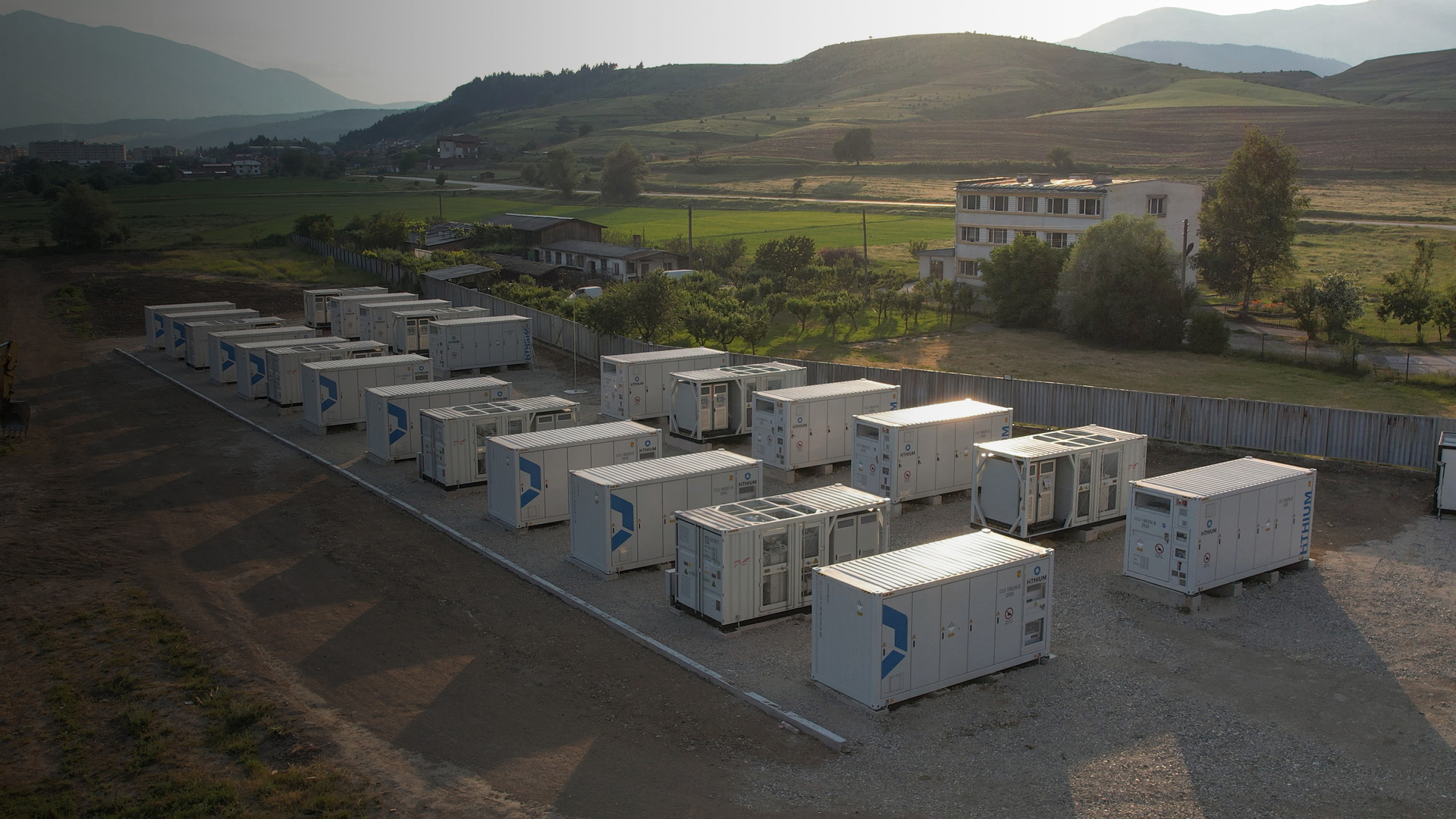
Side-by-Side: Emerging Principles That Change the Comparison
What’s Next
When I compare suppliers now, I start with principles that map to field truth. First, data continuity. The better teams stream pack-level SOH, impedance growth, and event logs into a shared data lake—with normalized tags—so you can spot drift before the thermal runaway mitigation ever has to prove itself. Second, control resilience. Grid‑forming capabilities and anti‑islanding behavior should be tested under brownout profiles, not just steady-state. Third, service transparency. Mean time to repair, by component family, should be published and tied to parts staging per region. One energy storage battery supplier cut a client’s downtime by 38 hours per incident in Q4 2022 by moving first‑line spares to a Phoenix depot and pre‑authorizing firmware rollbacks—small moves, big delta. I’m not interested in glossy demos—give me site logs and a technician dispatch map.
Technology keeps moving, and the comparison should reflect that. LFP modules with 280 Ah cells are now paired with liquid cooling plates that actually hold the 1C discharge spec at 40°C ambient—if the coolant quality controls are enforced. Better yet, modern EMS layers run small models at the edge, flagging BMS drift locally before the cloud wakes up—odd detail I still remember from a dusty yard in Pecos County. When suppliers prove closed‑loop testing across inverter harmonics, cable thermal limits, and EMS failover, project risk drops. Here’s how I advise teams to judge options on one page: 1) Proof under stress: request logs from a brownout profile, plus the derate response of converters and racks—no summaries, raw data. 2) Lifecycle math: demand a 10‑year OPEX model that includes field service labor, coolant, fan replacements, and expected cell fade; tie it to measurable KPIs like round‑trip efficiency and availability. 3) Service readiness: verify regional spare kits, parts lead times, and mean time to repair with three recent work orders. Do that, and you buy fewer excuses and more uptime—clean and simple. If you want a real benchmark to start the conversation, I’d set it against teams like HiTHIUM.

