

Clear problem: NOx, permits, and mixed fuels
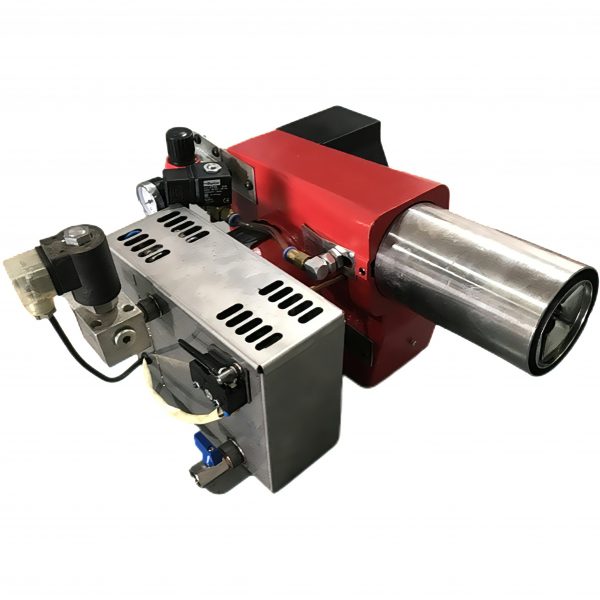
High NOx from old water heaters triggers permit headaches and fines. Many facilities burn variable oils and see spikes in flame temperature or incomplete combustion. Upgrading to low-NOx burner water heaters removes that volatility; if you run heavy or reclaimed oils, consider an industrial waste oil burner sized and tuned for your fuel.
Why a low-NOx burner is the targeted fix
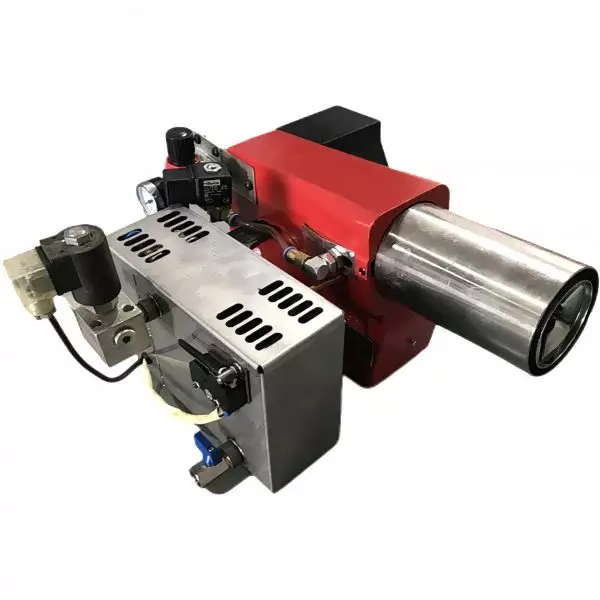
NOx forms when combustion temperature and oxygen availability are high. Low-NOx burners change those conditions at the flame so formation drops without cutting heat output. The result: lower stack concentrations that align with many local emission limits while keeping boiler heat delivery steady.
How low-NOx burners do it—simple mechanics
Common techniques are staged combustion (introducing fuel or air in phases), lean premix (mixing more air upstream to lower peak temperature), and flue gas recirculation (FGR) to dilute oxygen and reduce flame temperature. Controls monitor draft and oxygen and adjust fuel/air to hold target setpoints. The pieces are straightforward; the integration matters most.
Trade-offs and viable alternatives
Options include adding post-combustion controls like SCR or catalytic systems, or switching fuels to cleaner options. Post-combustion works but adds cost, footprint, and maintenance. Low-NOx burners deliver lower capital and simpler operations for many sites, but if a plant must meet ultra-low limits or has variable load swings, a hybrid solution may be better.
Common mistakes that defeat low-NOx performance
Wrong burner sizing, poor fuel filtration, and lax combustion tuning are the usual culprits. Using a burner designed for clean fuel on reclaimed oils without a proper feed system creates soot, hotspots, and higher NOx. Skipping a combustion analyzer check after installation leaves problems hidden until a compliance test.
Practical retrofit and operation checklist
Start with a baseline combustion tune and a fuel-condition assessment. Confirm burner turndown meets load range. Install a reliable oil pre-filter and temperature control for reclaimed fuel. Add oxygen trim or lambda control for tight regulation. Document pre- and post-install emissions so inspections are straightforward.
Real-world anchor tied to regulation and equipment
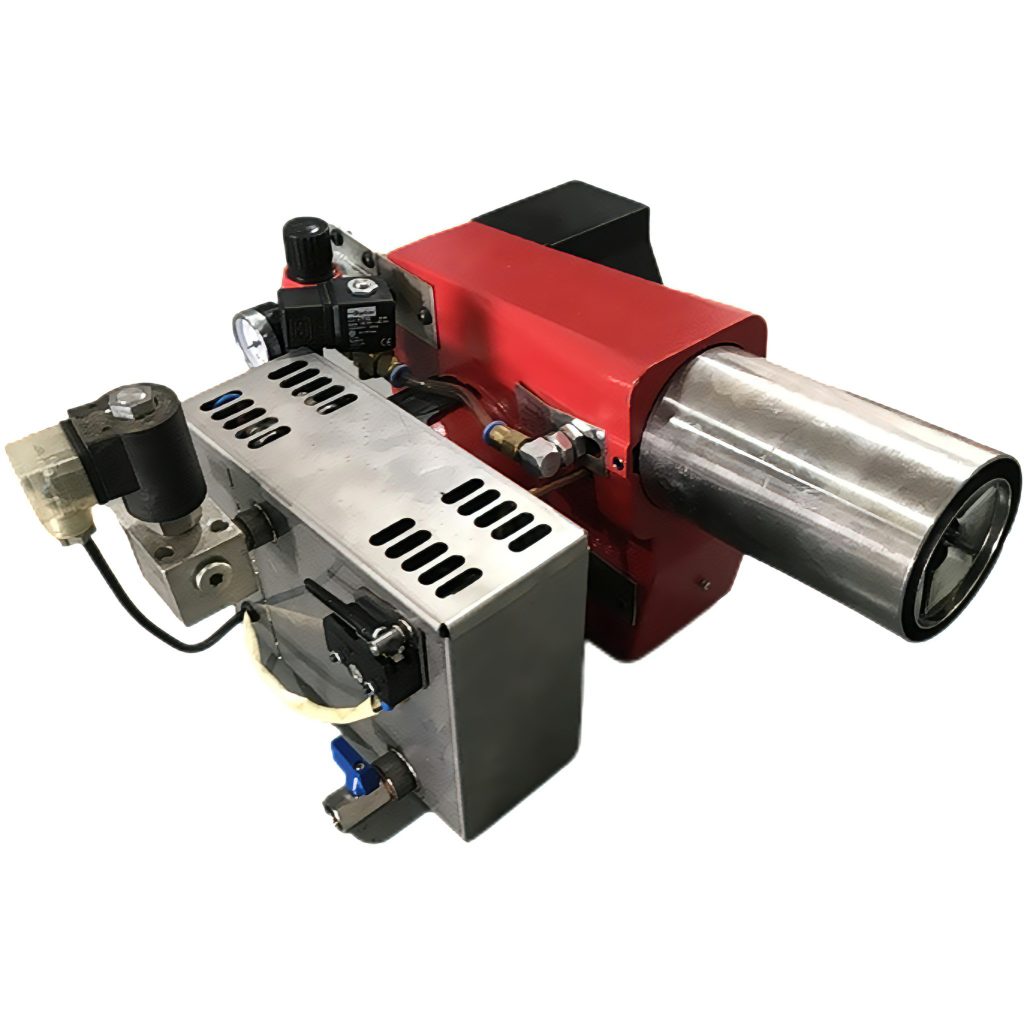
U.S. EPA emissions guidance for small boilers has pushed many facilities toward certified low-NOx systems; choosing certified units such as a waste oil heater makes it easier to match permit thresholds while keeping operational routines manageable.
Final synthesis: practical value and who benefits
Low-NOx burner water heaters address the core problems: they cut NOx at the flame, reduce inspection risk, and handle variable oils when paired with the right feed and controls. For operators needing specific low-NOx configurations or waste-oil-capable designs, suppliers and integrators like Career Burners often provide the practical component choices and tuning expertise that deliver predictable results.

