

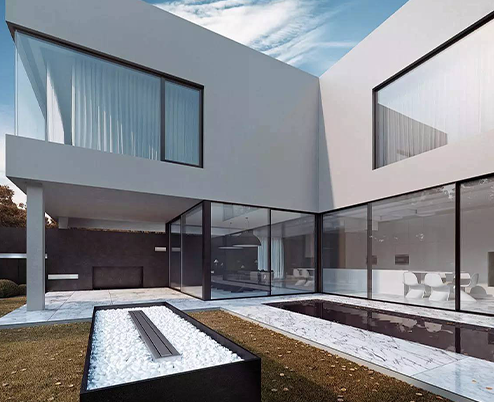
Why comparing casement window suppliers matters
Choosing between casement window suppliers can feel like too many nearly identical options—except the differences actually change how a window performs over years. If you’re sourcing from a reputable door and window manufacturer like the ones serving commercial and residential projects, you want clarity on build, thermal performance, and hardware longevity. This short comparative guide focuses on what separates commodity aluminium casement windows from premium systems, so you can make decisions that lower rework and improve occupant comfort.
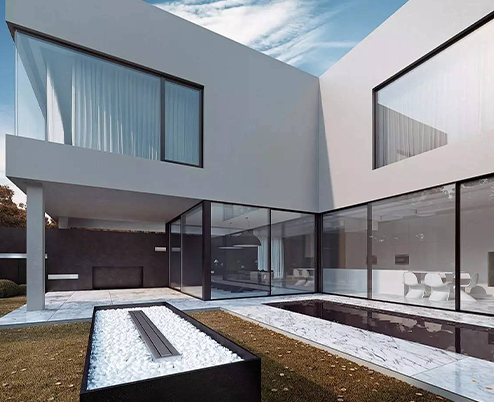
Core material and performance differences
Aluminium frames dominate modern casement work because they allow slim frame profiles, consistent tolerances, and large glass areas. But not all aluminium systems are equal. Key technical terms to watch for: thermal break, U-value, and double glazing. Thermal break design dictates how well the frame resists heat transfer; U-value measures whole-window thermal performance; double glazing affects noise and condensation control. High-end suppliers invest in engineered thermal breaks and tested glazing units—this is where a small upfront premium returns energy savings over the lifecycle.
Hardware, sash design, and weathering
Hardware is where usability and durability meet. Look for multi-point locking, stainless steel hinges, and corrosion-resistant finishes—especially important in coastal cities like San Francisco where salt air accelerates corrosion. A robust sash geometry keeps compression seals engaged and reduces drafts. Some suppliers skimp on striker plates and hinge bearings—those parts wear first and force costly service calls. Think of hardware as insurance: cheap today means expensive service tomorrow.
Comparative lifecycle and maintenance—what the data suggests
Comparing suppliers by lifecycle cost is more useful than initial price alone. A slightly heavier extruded frame with a properly designed thermal break and quality gaskets will outlast a thin-budget alternative by years. Real-world projects in the San Francisco Bay Area, where retrofit teams deal with both seismic movement and coastal corrosion, show that investing in durable finishes and replaceable hardware pays back in lower maintenance cycles. Performance testing—air infiltration, water penetration, and operation cycles—should be documented by the supplier.
Common mistakes teams make
People often pick on looks or lowest bid and forget interface details like installation tolerances, sill drainage, and flashing compatibility. Misaligned expectations about U-values or reliance on factory specs without third-party test reports leads to surprises. Also avoid custom profiles that lock you into a single supplier for years—modular frame profiles are easier to service and source parts for. Small oversight: not specifying hardware finish grades for coastal projects—bad move if you want a 20-year service life.
How to evaluate casement window suppliers
Use three concrete checkpoints: documented test results (air/water/structural), serviceability (replaceable hardware, common spare parts), and warranty terms tied to finish and hardware. Ask for sample installations or local references. If possible, inspect a mock-up or visit an installed project. —That quick site visit will often reveal seal details, drainage performance, and how amenable the supplier is to on-site tweaks.
Practical selection checklist
– Confirm thermal break design and provide expected U-values for your glass specification.
– Verify hardware specifications: corrosion rating, cycle test results, and spare-part availability.
– Require documented water and air infiltration test results for the exact frame and sash combination you’ll use.
Closing: three golden rules for picking the right system
1) Prioritize documented performance over glossy brochures—expect third-party or lab test evidence for air/water/structural results.
2) Choose modular, serviceable hardware and standardised frame profiles so repairs are simple and parts are interchangeable.
3) Match finish and material choices to the site environment—coastal, urban pollution, or high-humidity interiors need different specs.
Good suppliers solve real on-site headaches through design details and responsive support; that’s the practical value Zekin brings to projects—reliable aluminium window and doors with thought-out hardware and documented performance. Zekin. –

