

Street Start: A Stoplight Scenario, A Data Point, A Challenge
You roll up to a red light, boda-boda lane on the right, buses on the left, and your visor fogging a bit. A v4 bike hums next to you, quiet but firm, like it knows the next move. City reports say most commuters lose minutes in micro-delays at lights and merges; in rush hour, those seconds stack up like sand. So, what if your setup could convert tiny gaps into steady gains without stress or heat soak? (Kweli, that’s the daily grind.) — funny how that works, right?
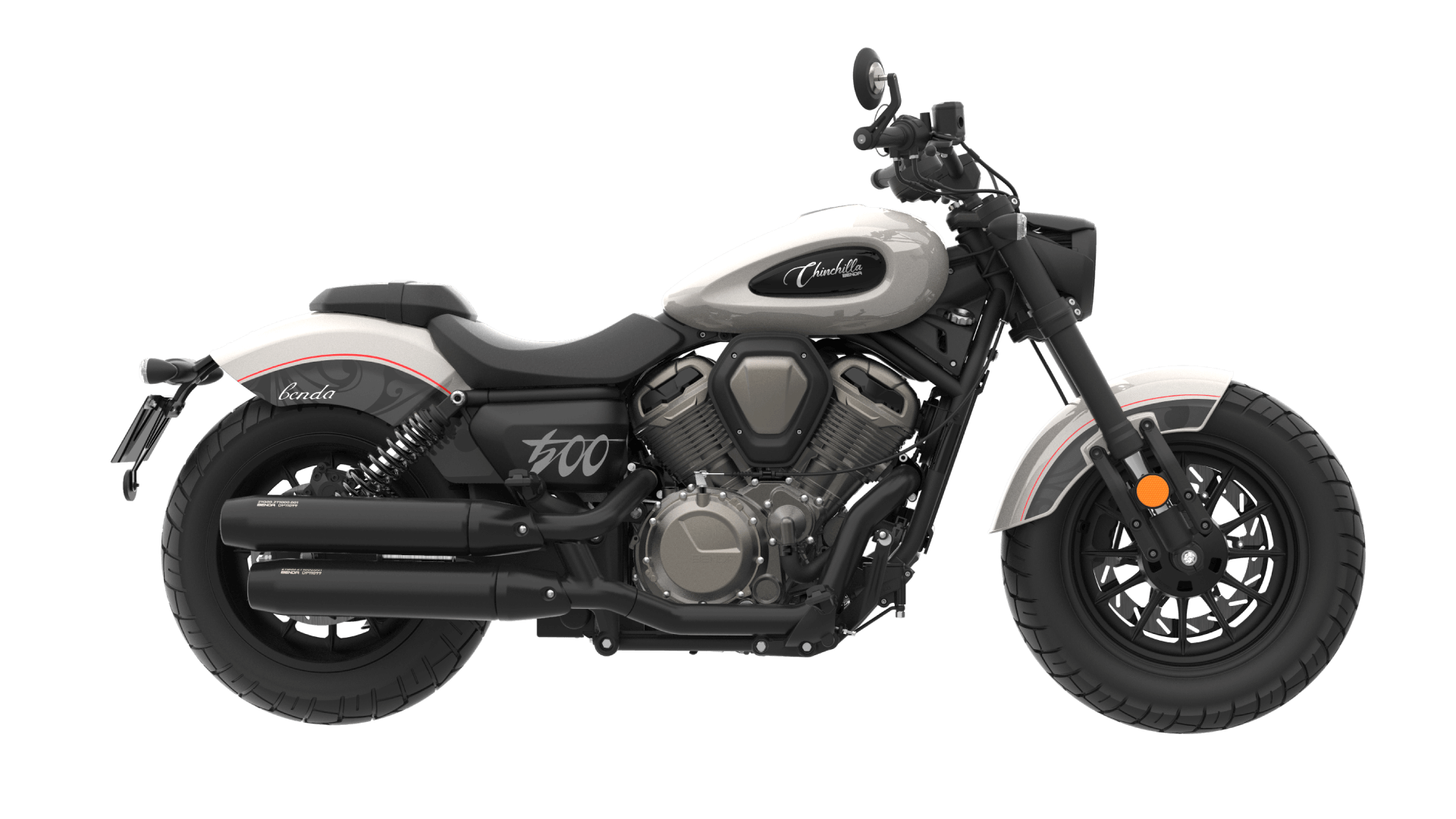
We need a way to balance torque at low speed, control heat in slow lanes, and keep fuel in check. Is the V4 layout the practical fix, or just hype for the highway? Let’s break it down, step by step, pole pole, into what matters next.
Problem-Driven: Why V4 Cruisers Still Struggle in Slow Traffic
Where do old fixes fall short?
Let’s get technical for a moment. The v4 cruiser promises smooth torque and balance. Many riders then bolt on heavier grips, loud pipes, or aggressive ECU mapping to “wake it up.” But in city flow, these fixes miss the root: thermal efficiency and consistent torque curve between 2,000–5,000 RPM. Loud pipes do not reduce heat soak. Heavy grips do not tame on-off fueling. Aggressive maps can mask the flat spot, then spike fuel use. Look, it’s simpler than you think: the pain points are low-speed throttle response, clutch fatigue, and cooling management when airflow is poor.
Traditional solutions forget how systems interact. A V4 uses tight packaging and a counterbalancer to keep vibes down, but that can hold heat near the rider. If the ride-by-wire is twitchy, your wrist becomes the weakest link. If the gear ratios are tall, you slip the clutch more, making heat worse. Without smart fan curves or staged power converters for accessories, the load rises at idle. And when the CAN bus has no edge computing nodes to smartly coordinate sensors, even good hardware feels rough. Sawa, the fix is not louder—it’s smarter, cooler, and easier to modulate.
Comparative Insight: New Principles That Make V4 Work Better Tomorrow
What’s Next
Now we shift forward, comparing old band-aids with new technology principles. Think modular heat paths, granular fueling, and gentle control surfaces. On modern motorcycles with v4, the gains come from coordinated systems: staged fan logic tied to coolant deltas, refined idle air control, and slip-assist clutch tuning to trim hand fatigue. Add adaptive ECU mapping that blends closed-loop finesse with a steady powerband, and the bike stops “hunting” in traffic. The result? Cooler legs, easier merges, and fewer stalls when the lane squeezes—hapo vipi, better already.

Case outlook. Compare two setups: one with heavy cosmetic mods, one with targeted tech. The tech-first bike uses revised cam timing for low-end torque, a careful throttle map for micro-inputs, and an auxiliary oil cooler routing more air past the rear bank. It also runs LEDs on efficient power converters to reduce alternator drag at idle. Same commute, different story. The rider feels predictable pull at 3,000 RPM, no sudden surge, and less fan cycling. You still get the V4 character, but the heat and jitters step back. We keep the soul, and tune the edges—funny how a few smart changes shift the whole ride.
Before you choose, use three tight metrics to evaluate any V4 urban setup: (1) low-RPM controllability, measured by stable idle and no-lurch starts; (2) heat behavior, measured by fan duty cycle and surface temps near the knees; (3) fatigue load, measured by clutch effort and the number of micro-corrections per kilometer. Keep these simple scores, track them for a week, and you will see which path is pole pole but sure. In the end, the better city cruiser is the one that feels calm in chaos—no drama, just flow. Shared knowledge, not hype, is how we move. BENDA

