
Introduction
Reliability in show systems begins with a clear definition of operating limits. Laser lights, though dazzling, obey tight rules of physics and power. Picture an outdoor festival: humidity rises, audience numbers double, and the schedule slips by 20 minutes. Many buyers compare laser show equipment by wattage and color count, yet the real story hides in control latency, thermal headroom, and beam divergence. Field logs across regional tours suggest that a notable slice of blackouts trace to basic issues like power converters running hot or DMX routing loops. So, why do rigs that work in rehearsal stumble when the crowd arrives—and when the air gets wet?
In Part 1, we mapped the common setup path and quick wins (grounding, lens care, safe zones). Here, we probe a deeper layer. We contrast traditional fixes with what actually keeps shows steady, even when weather, timing, and load change at once. Let’s move from assumptions to tested practices—and see where the gaps come from.
Part 2 — Traditional Fixes, Hidden Fault Lines
Are the old playbooks still enough?
Many operators rely on familiar playbooks: lock the DMX chain, max out cooling, and recalibrate scanners. Look, it’s simpler than you think—until it isn’t. Traditional checklists rarely account for compound stress. Galvanometer scanners drift when heat builds over long cues. Optical attenuation shifts with fog density. And when power converters hit their limit, small voltage dips cascade into control glitches—funny how that works, right? The usual advice says “add headroom,” but headroom for what: thermal load, network bandwidth, or wind shear on outdoor mounts? The differences matter.
Then there is routing. DMX latency spikes when multiple universes jump through unmanaged switches. Edge computing nodes at the stage box can smooth this, but the old method assumes a single controller and a short run. Meanwhile, beam divergence increases in misty air, demanding live compensation that static profiles cannot provide. IP rating gets ignored because the forecast looks kind, and then a passing spray knocks a connector out of spec. These are not exotic failures; they are the quiet mix of small misses that align at peak time. The fix is not more of the same—it is a more aware system design.
Part 3 — Comparative, Forward-Looking Principles
What’s Next
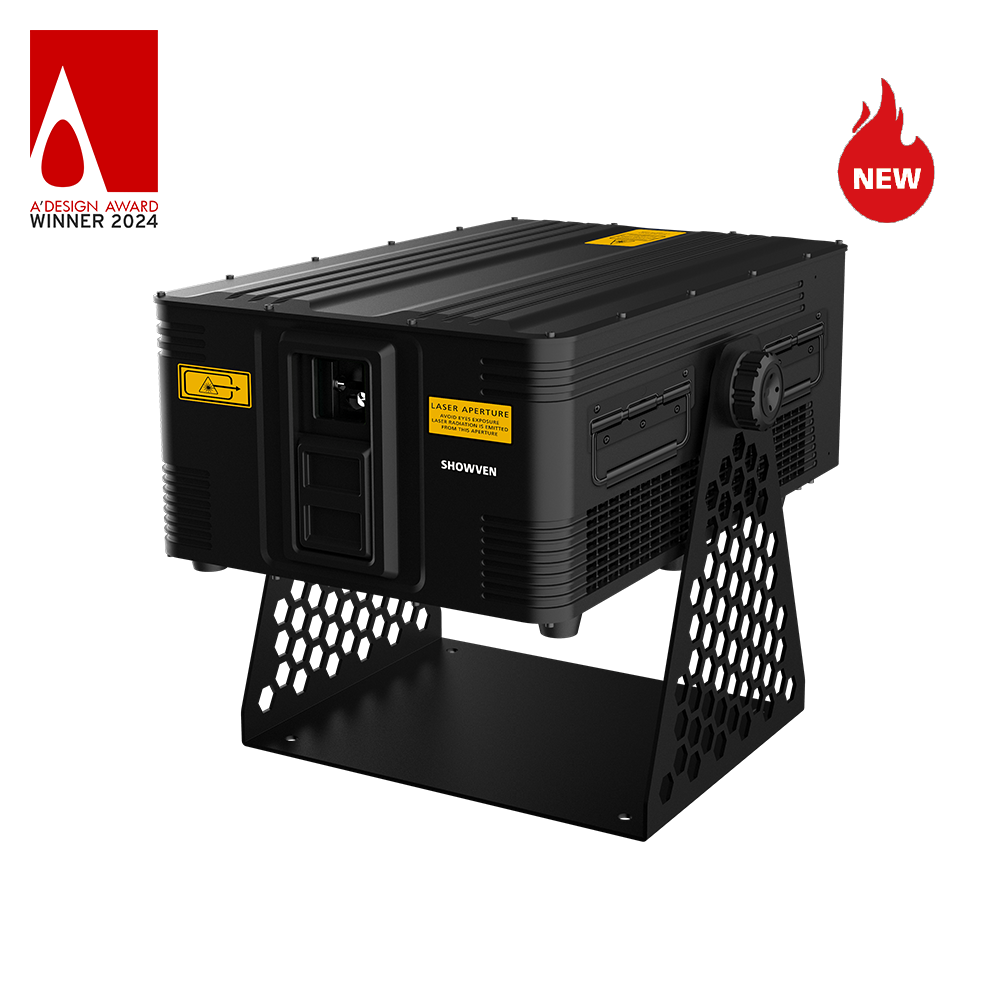
Let us compare legacy habits with new operating principles. Old rigs glue effects to fixed scenes; newer control stacks run adaptive profiles that watch temperature, cue density, and fan duty in real time. Instead of driving every head at 90% all night, adaptive firmware trims duty cycles when it sees localized heat, protecting scanners without obvious dimming. Modern controllers also forecast DMX or Art-Net congestion and re-time packets to prevent burst collisions. In short, the system learns its stress—then sidesteps it. When a laser light display projector integrates live telemetry, the console can nudge beam paths to avoid hot mirrors and reduce thermal creep. Small nudges. Big stability gains.
Power is another pivot. Rather than a single oversized PSU, zoned power with distributed power converters keeps transients local, not system-wide. Thermal management moves from “bigger fans” to airflow mapped to enclosure geometry. Firmware updates introduce graceful degradation modes, not hard cuts. And for outdoor venues, sensor-led correction adjusts to wind, dust, and fog—on the fly. This is not theory—it is how steady shows run week after week. The comparison is clear: static assumptions vs. responsive control. The latter wins when the night turns messy—and it always does sooner or later.
Closing Guidance
From these contrasts, three evaluation metrics help you choose with confidence. First, adaptive control depth: can the rig read thermal load, cue density, and signal jitter, and then act without an operator? Second, network resilience: does the control path handle multi-universe traffic with latency guardrails and recovery modes, not just raw bandwidth claims? Third, environmental hardening: beyond an IP rating, does the system correct for beam divergence, humidity, and optical contamination during the show? If you measure against these, you reduce the “surprise” factor—by a lot.
We covered the gap between checklists and real conditions, noted how distributed power and smarter control beat brute force, and showed why telemetry-led tuning keeps beams crisp. None of this is about buying the biggest fixture. It is about choosing a system that senses, adapts, and keeps the art alive when the venue throws a curveball—right when the crowd leans in. For deeper technical paths and platform options, explore resources from Showven Laser.

