

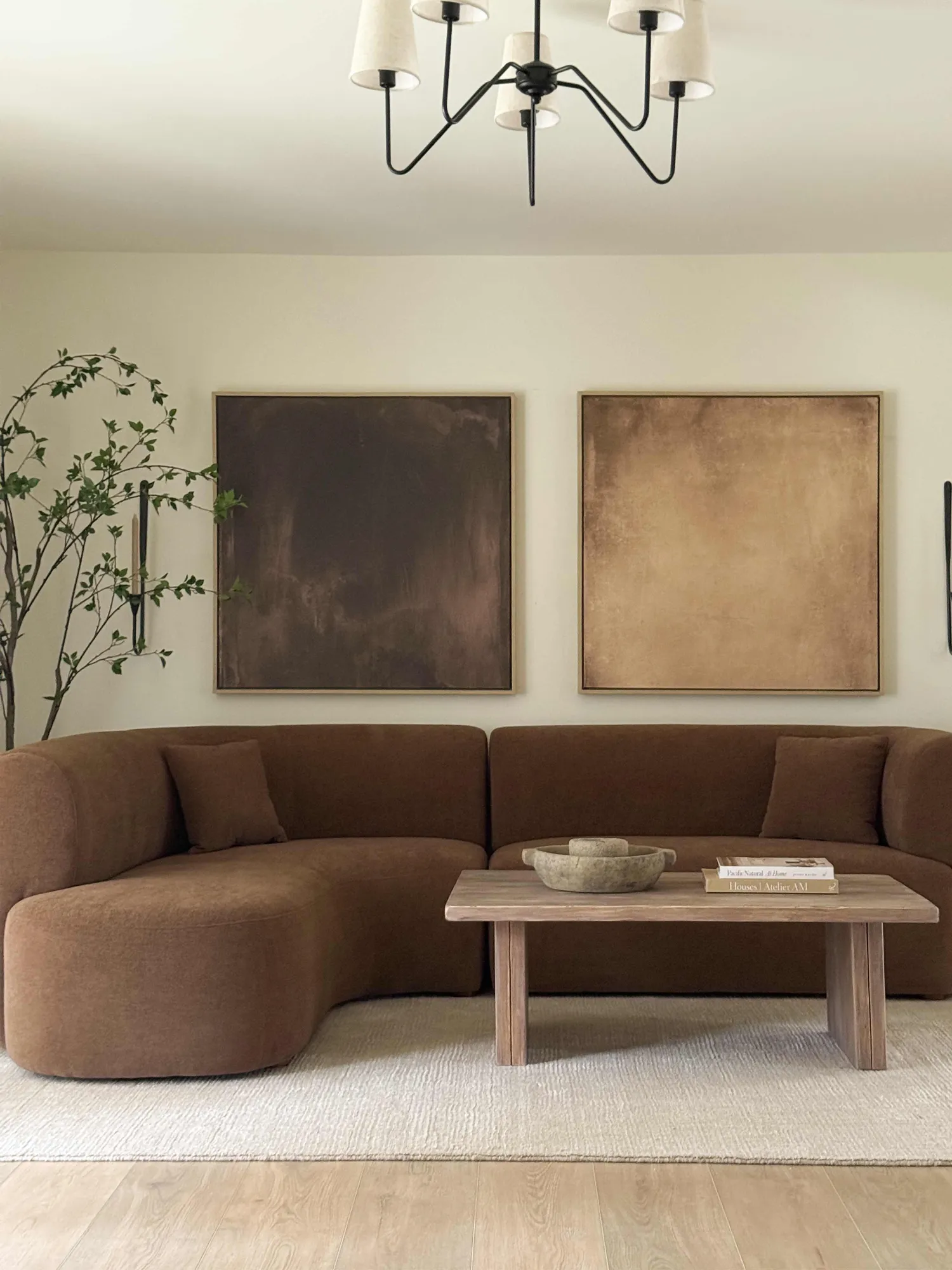
From showroom flops to better builds
I was loading a container in Ho Chi Minh in March 2021 when I remembered how design choices break supply chains and customer trust. I mention mid-century furniture because those clean, functional lines hide useful answers for today’s problems. Last summer I watched a showroom floor clear out an entire batch of walnut armchairs after a 14% complaint rate—so what fixes stop that leak? (Short answer: attention to joint detail and material logic.)
I speak from over 15 years moving product from factory to floor; I vividly recall shipping 120 teak dining chairs to District 1 and getting back 11 with loose dowels within six weeks. That kind of return rate erodes margins fast. Too many modern solutions focus on surface finish—veneer and laminate choices—while ignoring core joinery: mortise-and-tenon details, proper dovetail drawers, and the ergonomics of seat angle. Those are not glamorous, but they matter. I’ve pulled panels from suppliers that were CNC-cut precisely yet assembled with cheap pocket screws; the precision tool can’t fix poor design intent. This is where traditional solution flaws become obvious: we chase looks and speed, then pay in repairs and warranty claims.
What’s behind those warranty returns?
What a forward-looking production plan should demand
We need a practical roadmap — technical but usable — that improves longevity without killing lead times. First, specify structural minimums: solid wood components at stress points, glued and pinned assemblies where load concentrates, and tested upholstery patterns for 50,000-seat cycles. Second, measure upstream consequences: when I mandated a change to cross-bracing on a 3-seat sofa in July 2020, returns dropped from 9% to 2% over nine months — real ROI. Third, choose partners able to run small-batch trials (CNC prototypes, veneer samples) before scaling; it saves rework costs. Yes, adopting mid-century thinking — clean forms, honest joinery — can be modernized with CNC and modern adhesives without losing integrity. I’m not selling a myth — I’m describing steps we implemented across three Vietnamese factories (we audited them in Q4 2019).
Real-world Impact
Three metrics I use to evaluate new designs
I advise wholesale buyers and in-house designers to test potential pieces by three clear metrics: structural durability (measured returns per 1,000 units), assembly rework hours per unit, and material lifecycle cost (purchase plus average repair cost over two years). Use these numbers to reject glossy-only proposals. When we applied this scoring to a new lounge chair in late 2022, the top-scoring design cut rework time by 28% and reduced warranty spend by 37% in six months — measurable, not theoretical. Takeaway: insist on joinery specs, insist on test data, and don’t let veneer tricks hide thin frames. I’ll say it plainly — buyers who skip that pay later. — And yes, there’s nuance: some finishes are fine if the skeleton is right. Interrupting briefly: always sample full assemblies, not just swatches. For reliable long-term sourcing, consider partners who blend the mid-century ethos with modern manufacturing; that’s where I point my clients and where you see the best outcomes with brands like HERNEST furniture.

