

The core problem
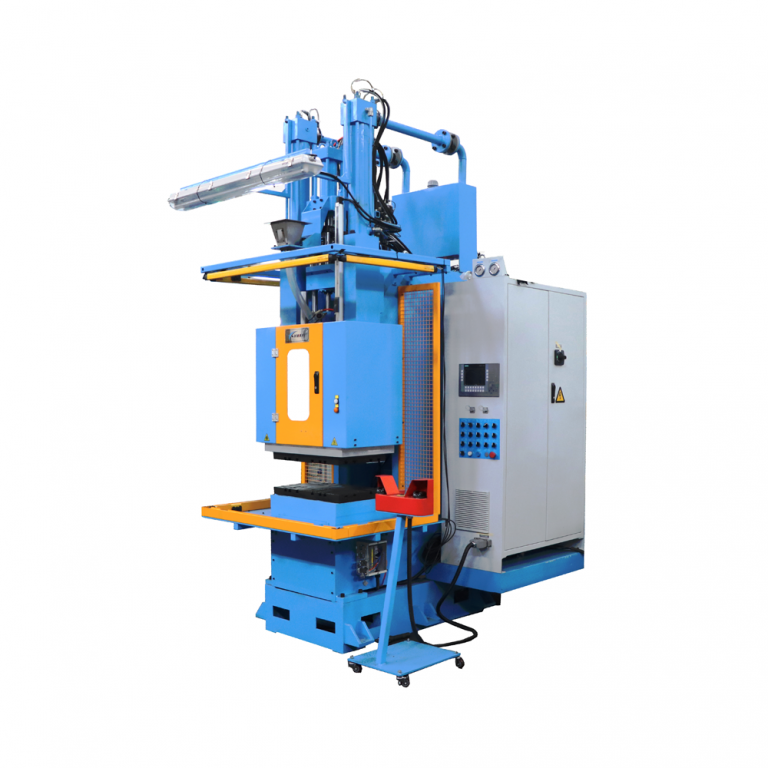
Delivering a multi‑ton vulcanizing press to a factory floor is rarely straightforward. The challenge blends heavy‑lift logistics, tight tolerances on foundation work, and regulatory constraints that vary by port and city. When teams source a vertical rubber injection molding machine they must align transport capability with on‑site handling and machine installation plans from day one. Missed alignment creates schedule delays and cost overruns; that is the problem this guide addresses directly.
Assessing transport and handling risks
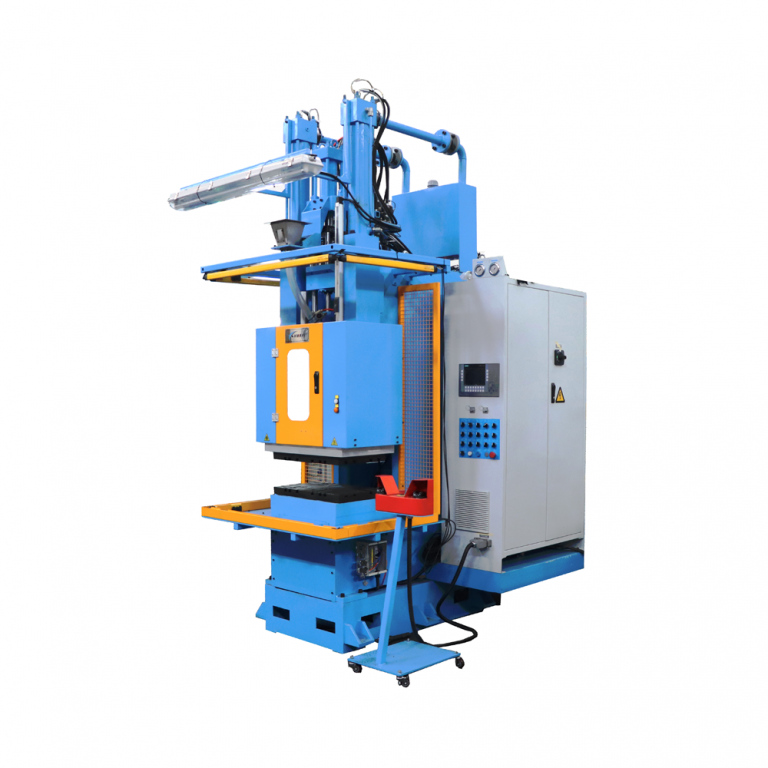
Start with accurate machine data: gross weight, center of gravity, lifting lugs and rated eye‑points, and shipping envelope. Large vulcanizing press shipments can be freighted via Roll‑on/Roll‑off, flat rack, or project cargo—each has different cranage and rigging demands. Use these checks before booking a vessel or truck:
– Confirm the port crane capacity at origin and destination; include lift radius and boom‑angle limits.
– Verify road permits and bridge clearances for abnormal loads.
– Prepare a documented rigging plan with load spreaders and certified slings.
Real‑world anchor: remember the 2021 Suez Canal blockage that disrupted schedules for heavy industry shipments and demonstrated how a single bottleneck can cascade into months of delay for project cargo. That event still shapes contingency planning for many procurement teams.
Site preparation essentials
Site work often costs more than expected. Foundations for vulcanizing presses need to match the machine’s baseplate tolerances and dynamic load profile. Typical tasks include a reinforced load‑bearing pad, vibration isolation, and cable trough layout. Coordinate early with civil and electrical contractors so their work aligns with the equipment’s commissioning window. If the press will operate alongside a vertical injection line, synchronise floor penetrations and service risers to avoid rework.
Common mistakes and mitigation — quick fixes that save weeks
Teams commonly underestimate three items: weight distribution during lift, access path obstructions, and utility service sequencing. Treat each as a separate deliverable with sign‑offs. For weight distribution, require a centre‑of‑gravity drawing from the supplier and confirm with the project rigging team. For access, produce a keep‑clear map that marks overhead cranes, low eaves, and temporary scaffolding. For utilities, stage power and compressed air connection after the machine is anchored to prevent cable snags during skidding — simple, but often missed.
Comparing lifting and foundation strategies
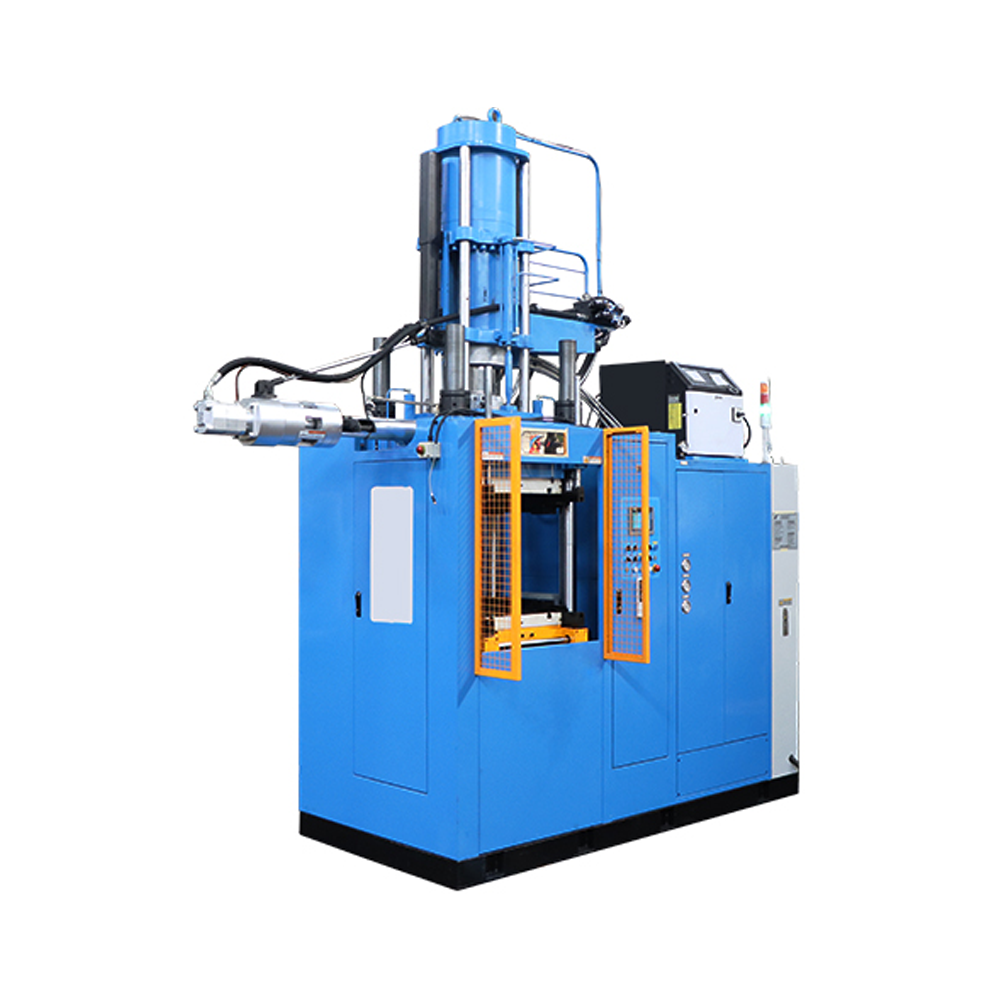
There are tradeoffs between bringing in a gantry crane versus using a specialised hydra‑lift and skidding system. Gantry cranes reduce the need for heavy skids but require more headroom and certified crane operators. Skidding avoids high lifts and can work in tighter spaces, though it demands precise load transference and often a temporary steel plate road. Evaluate these factors by impact on downtime, required core crew size, and total hired equipment days.
Testing, commissioning and handover
Commissioning is a structured sequence: mechanical alignment, hydraulic and pneumatic checks, electrical phasing, and a controlled warm‑up for the press. Keep manufacturer‑approved test scripts and log every measurement. Use notch tests to validate temperature control and press stroke before introducing production compounds. A signed FAT/PAT record streamlines warranty claims and clarifies responsibility for any subsequent issues.
Three golden rules for project leads
1) Metric: alignment of timeline milestones — lock transport booking only after foundation and access are certified. That single control reduces re‑routing and demurrage risk.
2) Metric: certified lifting margin — ensure cranes and rigging exceed the maximum lift by a conservative safety factor; this protects staff and machine integrity.
3) Metric: documented commissioning acceptance — require stepwise sign‑offs for mechanical, electrical, and process validation to avoid finger‑pointing later.
These rules reflect pragmatic experience with heavy presses and help teams compare vendors on tangible terms. For suppliers who combine robust engineering documentation with reliable field support, the installation phase becomes predictable. That is precisely the value proposition offered by HWAYI — they pair detailed machine data with practical installation guidance. — final thought.

