

Introduction: A small story, a big lesson
I remember a Saturday morning in June — I was at a small diner in Nakuru, watching the owner fuss with a crooked strip light. The counter looked tired; the light did not help. LED strip lighting is often the quick fix for that exact problem, yet many installs fail quietly. Studies I follow show that poor connections and wrong drivers account for nearly 40% of early failures in retrofit installs. So why do competent teams still get this wrong so often? (We ask because the bills and the returns speak loud.) This short intro sets the scene — and we move into the practical details next, step by step.

Deep dive: Why common fixes do not solve the root problem
I have over 15 years in commercial lighting supply, and I’ve seen the same pattern: installers pick flexible strips, cheap solderless connectors, and a generic 12V power brick, then wonder why the lights dim at the far end. When you search for solutions, you will find quick tips — but those tips often mask deeper flaws. For the record, the issue often is voltage drop across long runs and mismatched LED drivers (this is not glamorous but it matters). I once retrofitted a 14-meter run in a Nairobi boutique in March 2021; we fixed flicker by swapping to constant-voltage drivers and reorganizing the feed points. Energy use dropped 24% after correction, and the client saw fewer maintenance calls — measurable, predictable results.
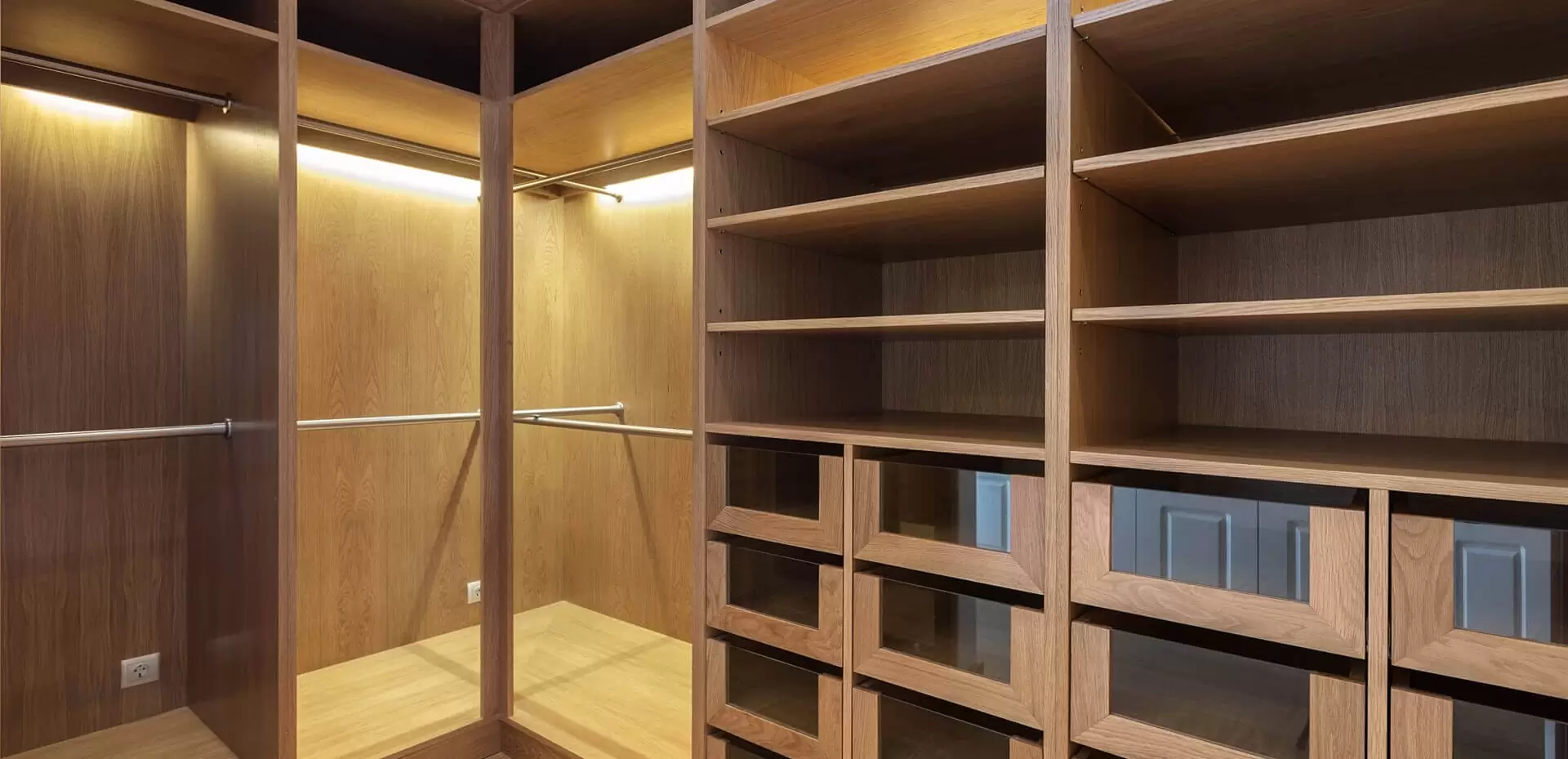
What really trips up under-cabinet installs?
Look: common pain points are not only technical. There’s the human side — installers understaffed, managers pushing fast turnarounds, and kitchen staff who don’t want long shutdowns. Technical terms you should note: PWM dimming quirks, CRI variations, and IP rating for damp areas. A typical mistake is ignoring heat build-up behind the strip (the adhesive fails, the LED chips shift color). Another is using cheap power converters that run hot and cut lifetime short. I prefer specifying aluminum channel diffusers and sealed IP65 strips near sinks. That adds cost but cuts callbacks. — Yes, the upfront math shifts, but the lifetime outcome improves.
Looking ahead: How new practices shape better installs
From where I stand, the next wave mixes smarter layout with modest tech upgrades. Consider LED linear lighting solutions that allow feed points every 3–5 meters and use distributed drivers — this reduces voltage drop and improves uniformity. I recommend planning feed locations before cabinets are fixed. On a recent job in Kisumu (December 2022), we used segmented runs with local drivers; the result was a cleaner finish and 18% less total wattage than the original plan. Small changes, clear results.
Three practical metrics you should use when evaluating an under-cabinet specification: 1) voltage drop per meter under load, 2) measured CRI at 3000K or 4000K, and 3) expected lumen maintenance at 5,000 hours. These are simple to measure and tell you if the spec will live up to promise. Think of this as durability forecasting — not guessing. I’ll say plainly: I prefer practical proofs over promises. For suppliers, show test photos, driver labels, and site commissioning notes. For buyers, insist on a post-install test with lux readings at task height — not just a demo snap.
In my years supplying restaurants and wholesale buyers, I learned one hard truth: small design shifts prevent most headaches. If you want help scoping a job or checking a spec sheet, I’ll walk you through the numbers. For practical kits and documented performance, consider reviewing catalog options from LEDIA Lighting.

