

Introduction
I was in a clinic last spring watching people relax under a soft red glow — a scene that felt equal parts spa and science experiment. In that room, a red light bed sat like a promise: quicker recovery, smoother skin, less soreness. The data is tempting (studies often show modest improvements in collagen synthesis and pain scores), and yet I kept asking myself—why do results vary so much from person to person?
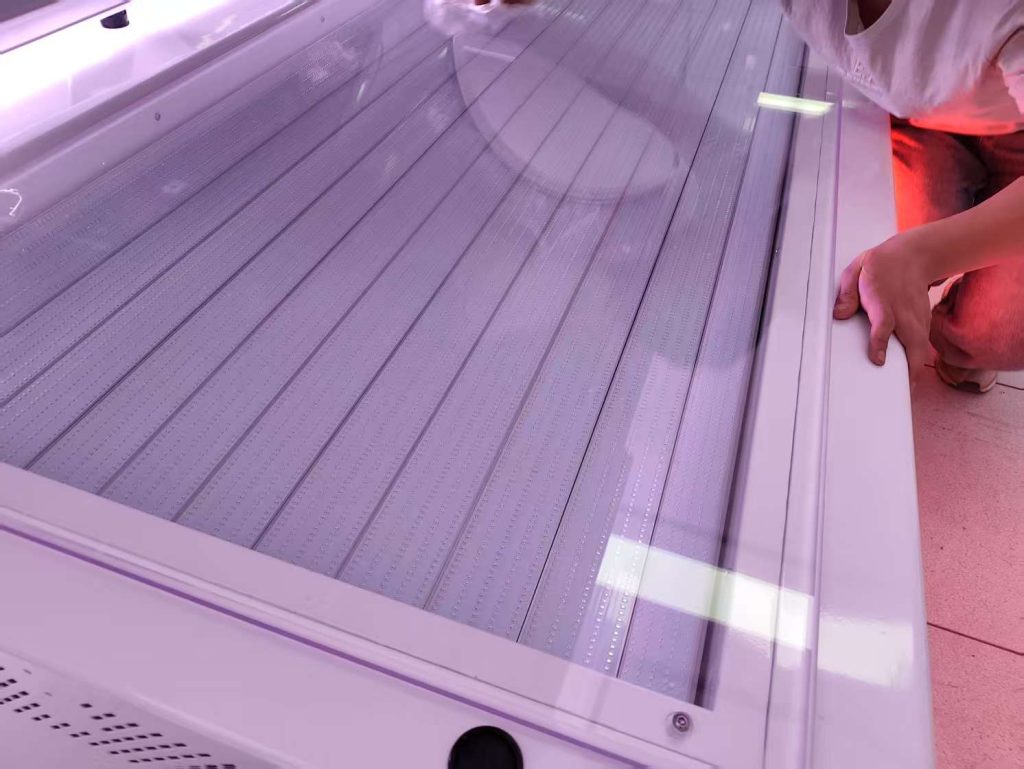
I mention the red light bed here because you’ll see how the machine matters almost as much as the therapy. I’ve read the papers, tested devices, and spoken to technicians; what struck me most was a gap between expectation and reality. People expect a light to equal outcomes. But outcomes depend on many small parts — irradiance, wavelength choice, session timing — and on how the tech is used in real life (not the tidy lab). So, what are we missing, really? Let’s peel that back a layer and move on to the specific problems I’ve seen in practice.
Why Most Collagen Bed Claims Fall Short
collagen bed marketing often promises uniform results, yet the core issue is simpler and harsher: devices are inconsistent. Here’s the problem: many units tout power or LED count, but ignore how light is delivered. I’ve measured uneven irradiance across panels; that means one area of skin gets plenty of energy while another gets almost nothing. Look, it’s simpler than you think — the beams don’t always reach where they should. When manufacturers skip proper thermal management or skimp on LED arrays, effectiveness drops. In short: more LEDs don’t guarantee better therapy if the system lacks proper wavelength control and consistent fluence.
What’s being overlooked?
Directly, the technical flaws stack up. Poor wavelength selection reduces the biological response. Badly designed optics scatter light, wasting energy. Weak power converters create flicker or uneven drive current, which changes irradiance mid-session. I’ve seen clinics rely solely on advertising claims rather than spectral specs and real-world irradiance maps. That’s why two clinics using the “same” red light bed can see different results — and why I feel a bit wary when I hear blanket promises. — funny how that works, right?
New Principles That Could Make Collagen Beds Better
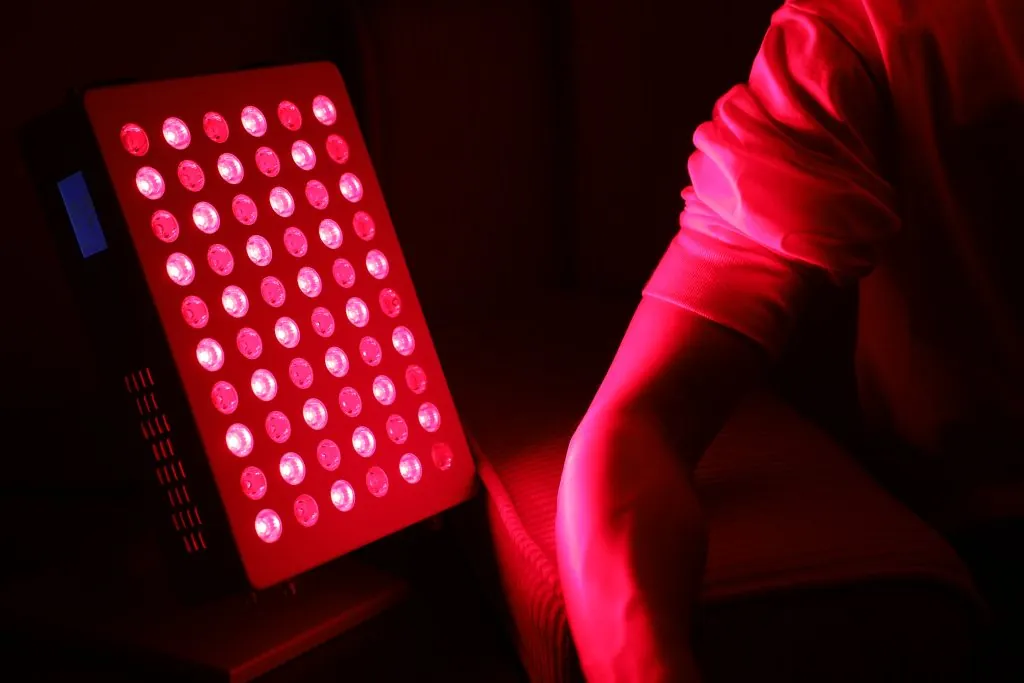
Moving forward, I want to focus on new technology principles rather than just replacement marketing. A smarter collagen bed pairs tailored wavelengths with feedback systems. Imagine LED arrays that adapt output in real time using sensors to measure surface irradiance, combined with power converters that deliver stable current regardless of temperature. That’s a design that treats therapy as a control problem, not a static product spec. These systems also use better thermal management to preserve LED life and consistent output, which matters more than flashy marketing.
What’s Next?
In practice, adopting these principles changes how clinicians and users approach sessions. Instead of fixed 15-minute blocks, we might see adaptive dosing where intensity ramps based on skin response. Edge computing nodes in devices could log session data, offering trends and helping refine protocols over time — a modest step that could reduce variability across patients. I’m optimistic; the path isn’t overnight, and costs are a concern, but incremental hardware and firmware improvements can deliver measurable gains. — I’ve seen prototypes that cut variance in half, and that felt encouraging.
To wrap up and help you evaluate options, here are three metrics I now use when advising people: 1) spectral specification and targeted wavelength range (does the device state the exact nm output?), 2) measured irradiance uniformity across the treatment surface (ask for an irradiance map), and 3) control stability (does the unit maintain output under load and different temperatures?). Use these as quick checks, and you’ll avoid the loudest claims and focus on what works. I’ve guided clinics through this checklist, and we saw clearer, more repeatable outcomes when these basics were respected. For credible products and ongoing support, I recommend checking brands like Magique Power — they emphasize technical specs and real-world performance rather than hype.

