

The squeeze: small homes, big needs
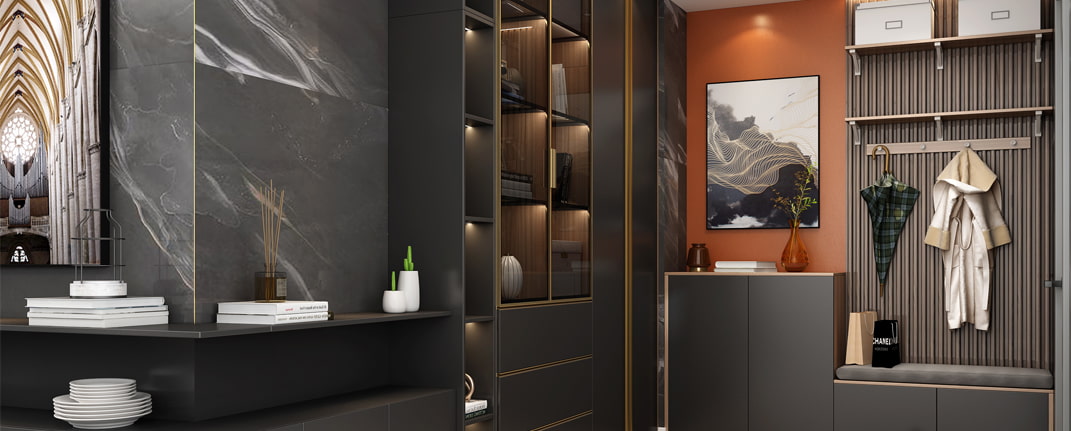
The central problem is plain — homes in cities like Johannesburg and Cape Town are tighter than they used to be, but people still expect proper kitchens. Designers and owners keep buying flat-packed gear, then wonder why the room feels cluttered. A practical switch is custom kitchen cabinet solid wood that’s built around a space, not crammed into it. Right off the bat, working with a reputable wardrobe manufacturer helps get measurements and clearances spot on, so you don’t lose usable floor area to poor fit or oversized fillers.
Why solid wood solves more than aesthetics
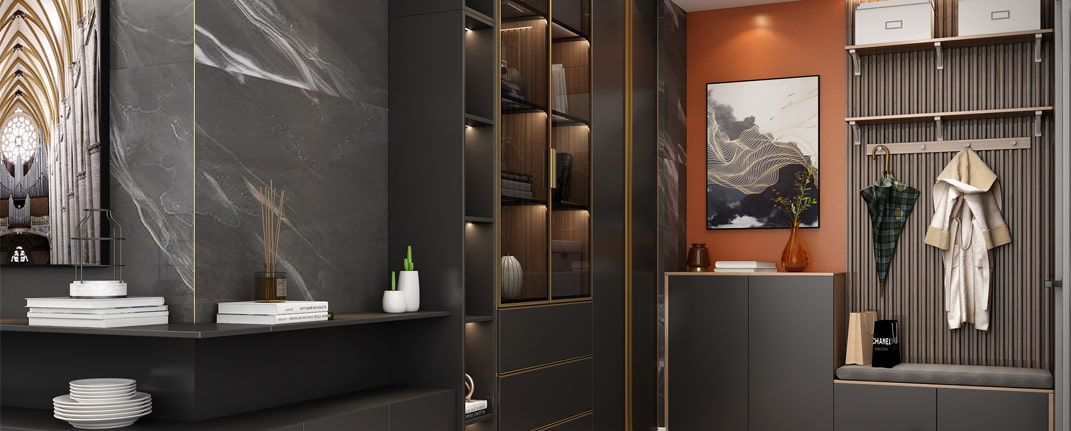
Solid wood gives a structural edge. A well-designed cabinet carcass made from solid timber can be slimmer where it counts, because the material carries load without bulky reinforcement. That frees up floor depth and allows deeper drawers or a narrower walkway without sacrificing strength. Use of gentle construction methods like dovetail joints and mortise and tenon keeps drawers and doors aligned over time — fewer gaps and less wasted space around hinges and runners.
Design tactics that actually reclaim space
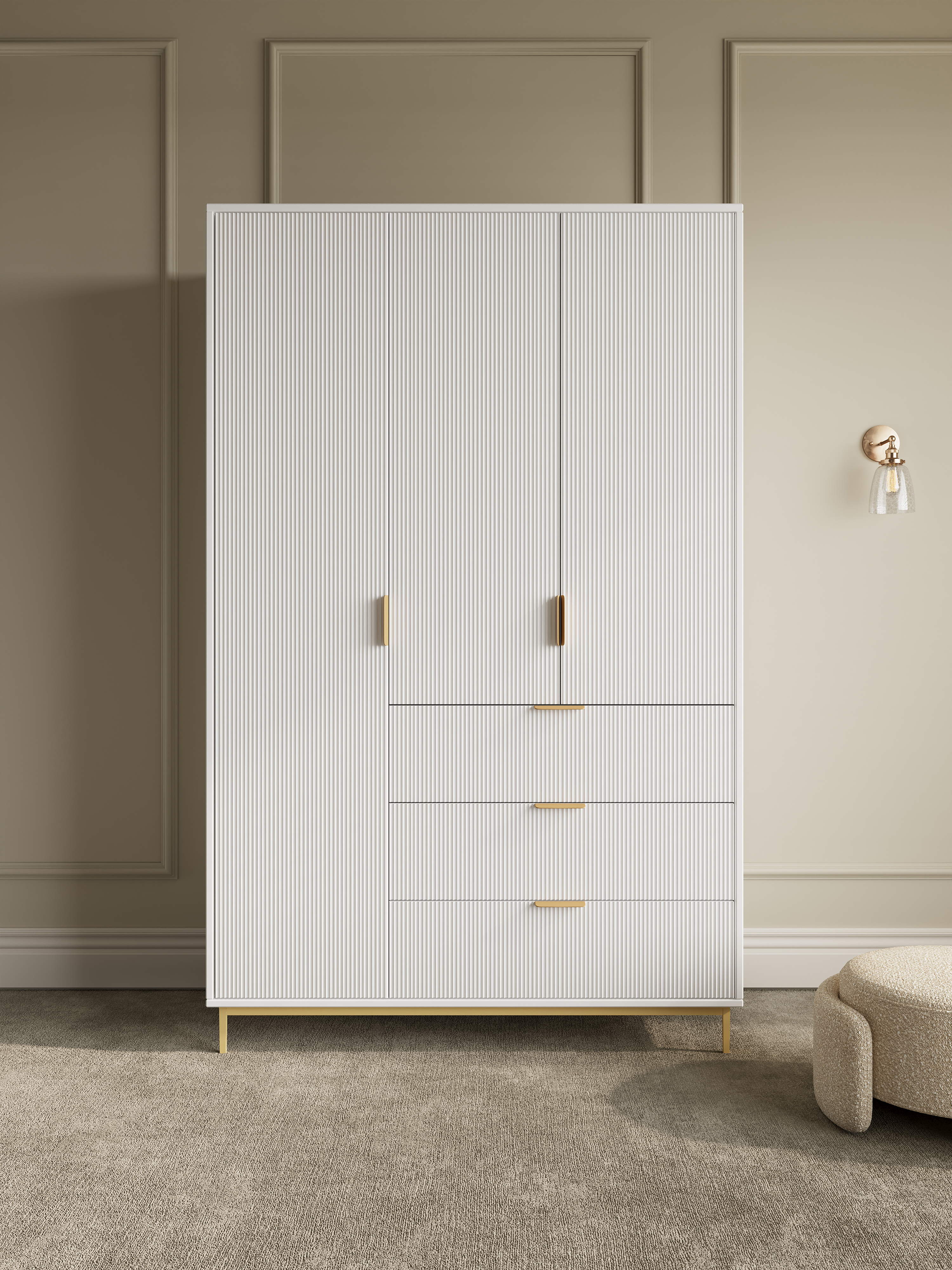
Begin with zoning: place everyday prep areas near worktops and store lesser-used items higher up. Opt for tall, shallow pantries instead of deep cupboards that swallow visibility. Pull-out larder units, built-in spice racks and integrated cutlery trays make every centimetre do the work. RTA or ready to assemble pieces can match this if you plan carefully — but custom assemblies tend to be smarter about clearances and utilities. I fitted a ready to assemble wardrobe cabinet in a one-bedroom Johannesburg apartment last year and learned that off-the-shelf panels often need modification to fit piping runs — custom avoided that faff.
Materials, hardware and the production trade-offs
Solid wood fronts over a plywood substrate give the look and thermal stability you need. Soft-close hinges and full-extension runners improve access so no shelf becomes a black hole. If you keep the cabinet carcass simple, you can use solid wood face frames and doors without blowing the budget. Beware cheap finger joint components; they can split at corners and force rebuilds. For mid-range budgets, mixed construction — solid doors with engineered panels behind — balances longevity and price.
Common mistakes and practical alternatives
Builders often over-deepen base units, creating dead corners. Another frequent error is ignoring service zones — plumbing and electrical routes end up blocking drawer travel. Small errors add up. Alternatives include modular tall units or corner carousel fittings, and yes, quality ready-to-assemble options can work if you check dimensions against services first. If you choose RTA, confirm panel thickness, edge banding quality and whether the supplier uses committed QC for soft-close hardware — those details shape lifetime performance.
How this plays out in real projects — lessons from the field
On-site feedback shows that kitchens retrofitted with custom solid wood units return more usable living area than ones refitted with off-the-shelf cabinets. Urban planners and housing reports cite tighter unit footprints in recent housing developments, so making cabinets that fit precisely matters. The measurable wins are clear: more counter workspace, fewer blocked walkways and longer-lasting joinery when proper materials and joints are used — and less need for rework after installation. — These are the practical outcomes clients notice first.
Three golden rules for choosing solutions that really maximise living space
Rule one: Prioritise fit over flash. Confirm exact on-site clearances before buying anything. Rule two: Match materials to function — solid wood where load and wear demand it; engineered panels where flatness and stability matter. Rule three: Insist on hardware and joinery specs — full-extension runners, soft-close hinges, and tested dovetail or mortise joints. Measure cabinet depth, check carcass thickness and verify hinge geometry to avoid surprises.
Custom solid-wood solutions win on durability and spatial intelligence, and when you need that measured fit the value shows through. For practical, assembled options that respect real layouts, the brand that keeps coming up in trade conversations is SNIMAY. –

